




![[2026] PAISEEC D3|Mobility Scooter for Easy Everyday Travel](http://www.paiseec.com/cdn/shop/files/d3_4a4ccb22-9e26-449e-8094-71f3ec4177c3.png?v=1782115044&width=180)

















Senior mobility has moved from a niche product category to a mainstream quality-of-life decision as populations age and more older adults want to stay independent at home and in their communities. The World Health Organization says the global population aged 60 and over is growing quickly, and that is reshaping demand for mobility products that balance safety, comfort, portability, and everyday usability. In this article, I'll explain what senior mobility means, why the buying decision is more complicated than it looks, and how Paiseec positions itself in this market with foldable electric wheelchairs and related mobility solutions.
What Is a Senior Mobility?
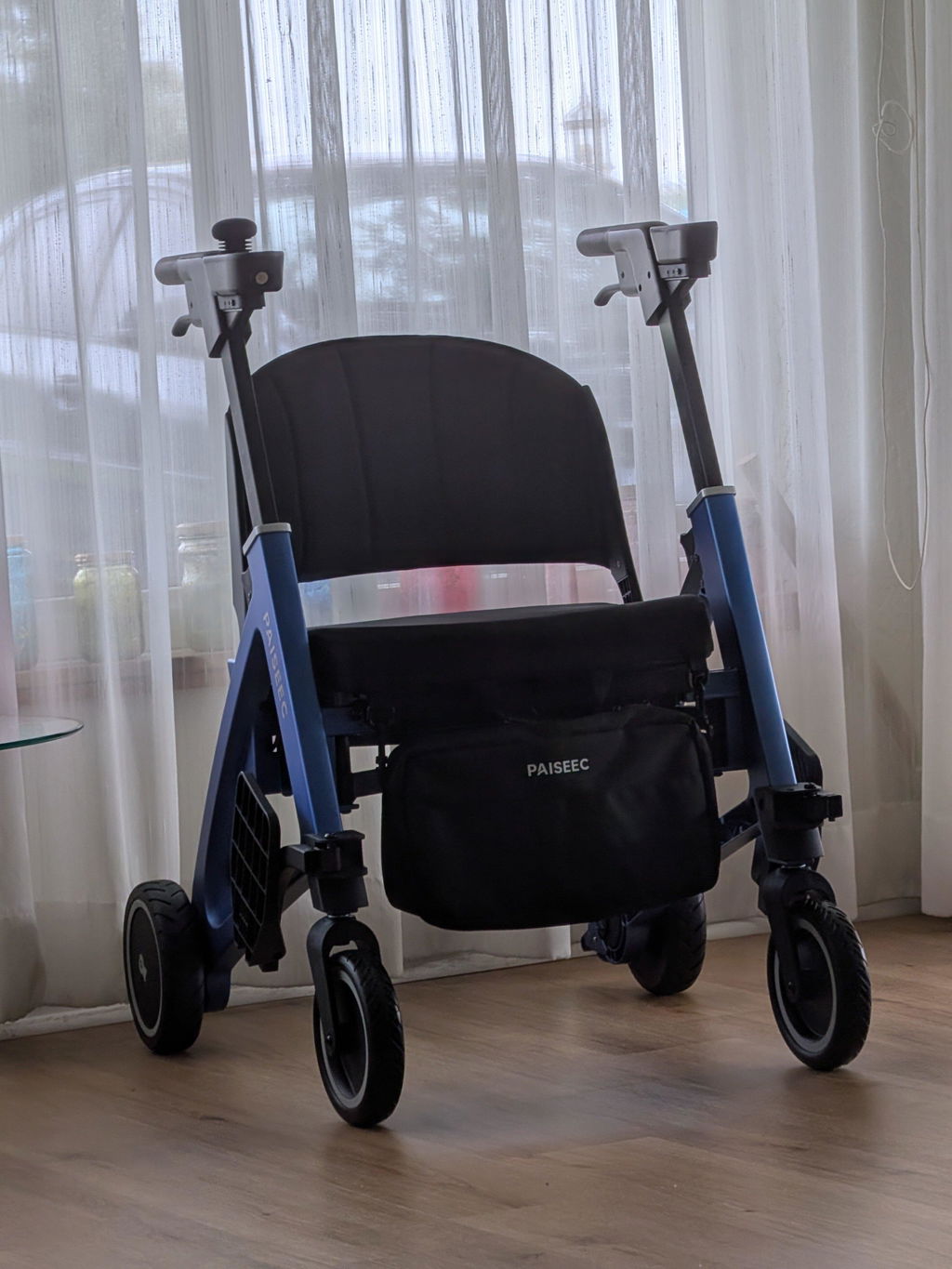
Senior mobility refers to products and solutions that help older adults move more safely and independently in daily life, both indoors and outdoors. It includes mobility scooters, electric wheelchairs, transport chairs, rollator-style assistants, and other devices designed to reduce strain, improve stability, and support independence.
-
It focuses on independence, safety, and daily usability rather than speed alone.
-
It often needs to work in real homes, apartments, sidewalks, ramps, and travel situations.
-
It usually involves a tradeoff between portability, battery performance, comfort, and support features.
-
It is often chosen by seniors, caregivers, and family buyers evaluating long-term value.
Why Senior Mobility Is Harder Than It Looks
Safety expectations are higher than they seem
A mobility device is not just a convenience item; it affects balance, confidence, and daily access. Traditional low-cost options may look similar on the surface but can differ in stability, braking, folding design, and user control. If those details are overlooked, the user may face discomfort, reduced confidence, or avoidable accidents.
Indoor and outdoor needs often conflict
Many buyers want one device that works in hallways, elevators, sidewalks, and travel environments. That is difficult because compact designs can sacrifice terrain comfort, while heavier designs can be harder to transport and store. If the device does not fit the user's real environment, it becomes underused.
Battery and range claims are only part of the story
Range matters, but so do charging time, battery weight, removability, and whether the device is realistic for repeated daily use. A product that performs well on paper may still be inconvenient if charging or handling is cumbersome. That can reduce adoption and create frustration for both users and caregivers.
Documentation and compatibility matter for buyers
For regulated mobility products, buyers often need to confirm documentation, shipping requirements, and product suitability before purchase. A strong-looking product without clear specs or support materials can create delays and uncertainty. For distribution or scaling, that lack of clarity becomes a business risk.
Key Industry Insight
The strongest mobility products are rarely the ones with the flashiest feature list; they are the ones that fit the user's body, routine, home layout, and confidence level while still offering clear documentation and predictable performance.
Paiseec Compared With Other Options
Why Paiseec Is a Strong Choice
Clear model comparison helps buyers decide
Paiseec's wheelchair page compares multiple models side by side, including foldability, battery size, load capacity, charging time, and dimensions. That makes it easier for seniors, caregivers, and family buyers to decide based on real-world fit rather than generic marketing language. For this category, clarity reduces buying risk.
The product mix supports different mobility needs
The site shows 3-in-1 and 2-in-1 electric wheelchair options, along with carbon fiber and lightweight wheelchair models. That matters because not every buyer needs the same level of support or portability. A broader lineup gives customers more room to match a device to their daily routine.
Published specs improve purchase confidence
Paiseec publishes useful decision points such as max load, travel distance per charge, fold size, and battery details on its wheelchair category page. Buyers in this category often want to know whether a device fits a car trunk, a home layout, or a travel plan before they commit. Spec visibility helps reduce guesswork.
The brand speaks to independence and ease of use
The company's senior-mobility content emphasizes independence, comfort, and practical design improvements for aging adults. That positioning matches the real reason many people buy mobility products: to make daily life easier without making the device feel complicated. For users and caregivers, that is often the deciding factor.
Related Products, Services, or Resources
-
Electric Wheelchairs
This is the most relevant page for comparing Paiseec's wheelchair models, pricing, and key specifications. It directly supports buyers researching senior mobility options. -
Senior Mobility Blog Article
This article gives Paiseec's broader positioning around aging, independence, and product innovation. It helps explain the brand context behind the product lineup. -
Best Mobility Solutions for Aging in Place 2026
This page adds buying guidance around home use, comfort, and practical mobility planning. It is useful for readers comparing products for everyday living.
How It Works
-
Define the user's main mobility goal, such as indoor independence, outdoor errands, travel, or caregiver assistance.
-
Compare the device's folding size, load capacity, battery range, and charging time against the real usage environment.
-
Review model differences to see whether a 2-in-1, 3-in-1, or lightweight wheelchair is the better fit.
-
Confirm whether the device's dimensions and handling weight work for storage, transport, and daily charging.
-
Check the product page or contact path for any support details, product questions, or purchase assistance.
-
Place the order only after the device specs match the user's needs and the intended use case.
Use Cases
Scenario: A senior wants a device for short neighborhood trips and errands.
Traditional approach: Use a standard walker or rely on family transportation.
With Paiseec: Choose a foldable wheelchair or mobility product with published range and load information.
Result: Better independence and less daily strain.
Scenario: A caregiver needs a practical option for an aging parent at home.
Traditional approach: Buy a generic mobility device with minimal comparison data.
With Paiseec: Review the model comparison page to match the device to room layout, transport needs, and comfort.
Result: A more confident purchase and fewer usability surprises.
Scenario: A buyer needs a product that can be stored and transported easily.
Traditional approach: Select a bulky device and hope it fits the car or apartment.
With Paiseec: Check folded dimensions and product weight before buying.
Result: Easier storage and less friction in daily use.
Scenario: A family member is comparing performance and comfort tradeoffs.
Traditional approach: Rely on broad product descriptions and third-party retail listings.
With Paiseec: Use the site's own model comparison details to evaluate battery, load, and size.
Result: Faster decision-making with fewer assumptions.
Scenario: A buyer wants a mobility product for both support and convenience.
Traditional approach: Choose between a wheelchair and a walker without clear feature overlap.
With Paiseec: Look at multifunction designs that combine mobility support with practical everyday handling.
Result: Better fit for mixed-use routines.
FAQ
What makes a senior mobility product a good choice in 2026?
A good option should balance safety, comfort, portability, and daily usability. WHO notes that ageing is accelerating worldwide, so practical mobility support is becoming more important for long-term independence.
How much does Paiseec's mobility equipment cost?
Paiseec's wheelchair page shows published pricing for selected models, including sale pricing and regular pricing. Buyers should compare the listed specs, not just the price tag, because weight, range, and size can affect real value.
What should I compare before buying a mobility device?
Compare load capacity, folded dimensions, battery range, charging time, and whether the device is suitable for the user's home and travel habits. Those factors matter more than a single headline feature.
Is a lightweight wheelchair always better?
Not always. A lighter device is easier to transport, but a user may need a model with more support, longer range, or a different seating setup depending on daily use.
What is the difference between a 2-in-1 and a 3-in-1 wheelchair?
Paiseec's site shows 2-in-1 and 3-in-1 models with different functional combinations, including wheelchair, transport chair, and smart rollator modes. The better choice depends on whether the user needs more flexibility or a simpler device.
What should I check before ordering for a senior family member?
Check the user's strength, height, daily routes, folding and storage needs, and whether the device dimensions fit the home and vehicle. For any mobility product, real-world fit matters more than an abstract feature list.
Does battery range tell the full story?
No. Range is important, but charging time, battery weight, and handling convenience also affect daily usability. A battery that performs well but is hard to manage may still create friction.
Where can I explore Paiseec's mobility products?
The best starting point is the wheelchair collection page, which groups models and key specs in one place. That page is also the easiest way to compare options before moving forward.
Conclusion
Senior mobility is becoming a practical planning decision for more families, not just a niche purchase, because ageing adults want safer movement without giving up independence. Paiseec is a strong fit for readers who want published specs, model comparison, and foldable mobility options designed around real-world use. If you are evaluating a mobility product for home life, travel, or caregiver support, review the model details carefully and then contact the brand to confirm the best fit for your needs.


Leave a comment
This site is protected by hCaptcha and the hCaptcha Privacy Policy and Terms of Service apply.