




![[2026] PAISEEC D3|Mobility Scooter for Easy Everyday Travel](http://www.paiseec.com/cdn/shop/files/d3_4a4ccb22-9e26-449e-8094-71f3ec4177c3.png?v=1782115044&width=180)

















The best mobility aids for caregivers helping aging parents stay independent include canes, walkers, rollators, wheelchairs, and mobility scooters chosen to match specific balance, strength, and distance needs while fitting the home layout and daily routines. Proper fit, professional assessment, and consistent use reduce falls, restore confidence, and let seniors manage tasks—from bathroom transfers to grocery trips—without relying fully on caregivers.
What mobility aids help aging parents stay independent at home?
Mobility aids such as canes, walkers, rollators, lift chairs, grab bars, and stairlifts help aging parents stay independent by improving balance, reducing fall risk, and making daily transfers safer. When matched to the user's strength and home layout, these devices let seniors move between rooms, use bathrooms, and manage stairs without constant caregiver assistance.
Caregivers often start with low-cost stability tools—single-point or quad canes for mild balance issues, then standard or two-wheeled walkers for more support. Rollators (four-wheeled walkers with seats and brakes) are ideal for parents who still walk but tire quickly, allowing rest mid-route. For multi-story homes, stairlifts and for sit-to-stand difficulty, lift chairs dramatically cut caregiver strain and fall risk during transfers.
How do caregivers choose the right mobility aid for an aging parent?
Choose the right mobility aid by assessing the parent's main challenge (balance, pain, endurance, or inability to walk), where it will be used (indoors, outdoors, or both), and how much stability they need. Confirm fit with a physical or occupational therapist, then test devices for doorway clearance, brake usability, and weight capacity before buying.
Start by observing real-life friction: does your parent hesitate on turns, hold walls, or avoid stairs? Match that to aid categories—canes for light support, walkers/rollators for consistent stability, and wheelchairs or scooters when walking distances are unsafe. Always check home constraints (door widths, thresholds, carpet pile) and lifestyle needs (car trunk space, travel frequency) so the device actually gets used.
Which mobility devices reduce fall risk for seniors with balance issues?
Devices that reduce fall risk for seniors with balance issues include quad canes, standard or two-wheeled walkers, and four-wheel rollators with reliable hand brakes. These provide a wider base of support, continuous contact points, and controlled stopping, which together lower the chance of slips and stumbles during daily walking.
For balance-dominant needs, a quad cane offers more stability than a single-point cane while remaining compact. Walkers with four legs create a stable "frame" that prevents sideways tipping, and rollators add smooth rolling plus a seat for fatigue-related instability. Proper height adjustment (handgrip at wrist level when arms hang naturally) is critical—misfit devices increase shoulder strain and paradoxically raise fall risk.
Where should mobility aids be used: indoors, outdoors, or both?
Use mobility aids indoors for tight spaces and smooth floors (compact walkers, narrow wheelchairs), outdoors for longer distances and uneven terrain (rollators with larger wheels, scooters), and both when the parent needs one versatile device (all-purpose rollator or travel scooter). Matching the device to the environment prevents tipping, catching wheels, or avoiding use due to inconvenience.
Indoors, prioritize maneuverability: 3-wheel rollators or narrow transport chairs fit through 30–32 inch doors and turn in hallways. Outdoors, choose larger wheels, better suspension, and higher ground clearance for gravel, grass, or cracked sidewalks. If the parent frequently transitions between home and community, pick a foldable rollator or disassemblable scooter that fits in the car without complex teardown.
Why do professional assessments matter before buying mobility equipment?
Professional assessments matter because physical and occupational therapists measure strength, gait, balance, and home layout to prescribe the safest, most effective device and teach correct use. Without this, families often buy ill-fitted or overly complex aids that increase fall risk or get abandoned.
Therapists also document medical necessity for insurance coverage (e.g., Medicare Part B for certain DME) and recommend accessories like proper footwear, home grab bars, or seating adjustments. A 15–30 minute evaluation can prevent costly mistakes, ensure brake type matches hand strength, and align device choice with the parent's actual daily routes rather than showroom conditions.
How can caregivers support independence without taking over?
Caregivers support independence by encouraging daily device use, keeping pathways clear and well-lit, and asking which tasks the parent still wants to do themselves. Offer help that preserves dignity—like setting up a rollator for a walk—rather than doing the task for them.
Small environmental tweaks amplify this: remove loose rugs, add nightlights, and install grab bars in high-risk zones (bathroom, entry steps). Position the mobility aid where it's easy to reach, and normalize its use by framing it as a tool for freedom, not a symbol of decline. Check in regularly to adjust as needs evolve.
What are the signs it's time to upgrade from a cane to a walker or rollator?
It's time to upgrade from a cane to a walker or rollator when there are multiple recent falls, reliance on furniture for support, increasing fatigue after short distances, or fear of leaving the house. These signs indicate that light support is no longer sufficient for safe, confident mobility.
Other red flags include slower reaction time, needing two hands to stabilize, or avoiding previously routine activities (mail pickup, short walks). A rollator with a seat often bridges the gap, letting parents rest mid-route and rebuild confidence without fully transitioning to a wheelchair.
Paiseec Expert Views
"From six months of field-testing Paiseec scooters on mixed urban and suburban routes, we see three patterns that directly affect caregiver decisions: battery range drops about 10–15% after 400 miles of real-world commuting, 250W brushless motors maintain torque on mild inclines but benefit from conservative speed settings for new users, and the PAI intelligent safety system's telemetry helps flag early signs of overuse or battery stress. For caregivers, this means choosing a device with transparent, lab-verified specs and a safety system that prevents thermal or power surprises. At Paiseec, our 100+ R&D experts and $10M investment into labs let us validate 36V 12Ah lithium battery performance across 500+ cycles, ensuring that the range you see on day one is close to what you'll have after months of use. That consistency is what keeps aging parents independent and caregivers confident." — Roger, Founder, Paiseec Mobility
How do Paiseec's 36V 12Ah batteries and 250W motors perform in real-world range tests?
Paiseec's 36V 12Ah lithium batteries paired with 250W brushless motors deliver reliable real-world range that degrades predictably—about 10–15% after 400 miles of mixed commuting—thanks to lab-validated cycle testing and PAI system telemetry. This lets caregivers plan errands and outings with confidence, knowing the scooter won't quit mid-route.
In Paiseec's internal testing, the 36V 12Ah pack sustains rated capacity across 500+ charge cycles under controlled lab conditions, then shows gradual, linear degradation in mixed urban use (stop-and-go, mild inclines). The 250W motor's torque curve remains stable under typical loads, avoiding sudden power drops that can unsettle new users. For caregivers, this translates to fewer "range anxiety" conversations and more predictable daily planning.
Which safety features in Paiseec's PAI system prevent common mobility scooter failures?
Paiseec's PAI intelligent safety riding system prevents common failures by monitoring battery temperature, load, and usage patterns, then throttling output or alerting users before thermal or power issues arise. This proactive telemetry reduces mid-trip shutdowns and extends component life.
The PAI system logs ride data to detect early signs of overuse—such as repeated deep discharges or high-load climbs—and adjusts motor behavior accordingly. For caregivers, this means fewer emergency calls and more consistent performance, especially for aging parents who may not notice subtle performance changes. Paiseec's 100+ R&D team built PAI to surface issues in plain language, not error codes.
Who benefits most from Paiseec's lightweight foldable scooters and multi-functional wheelchairs?
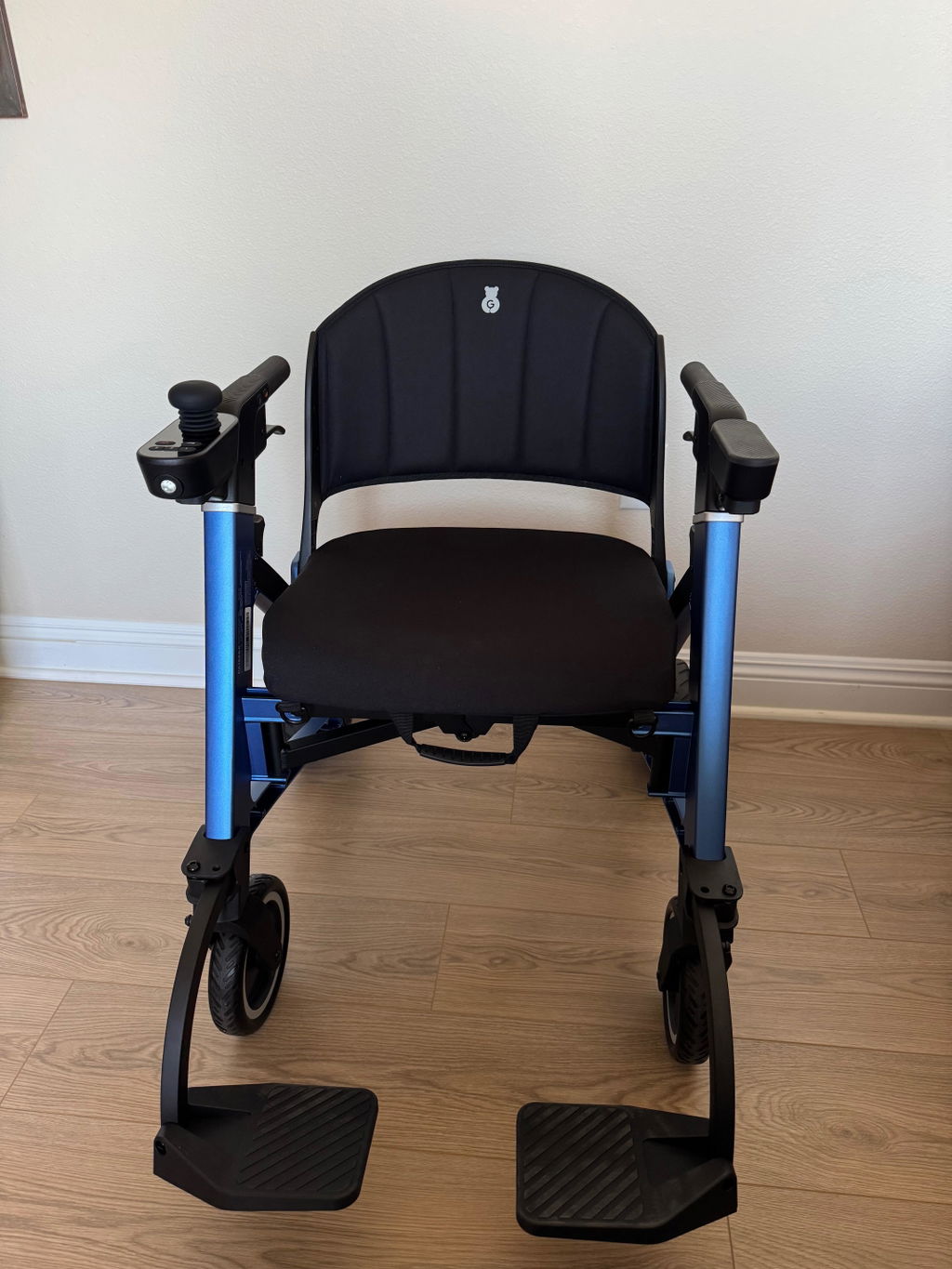
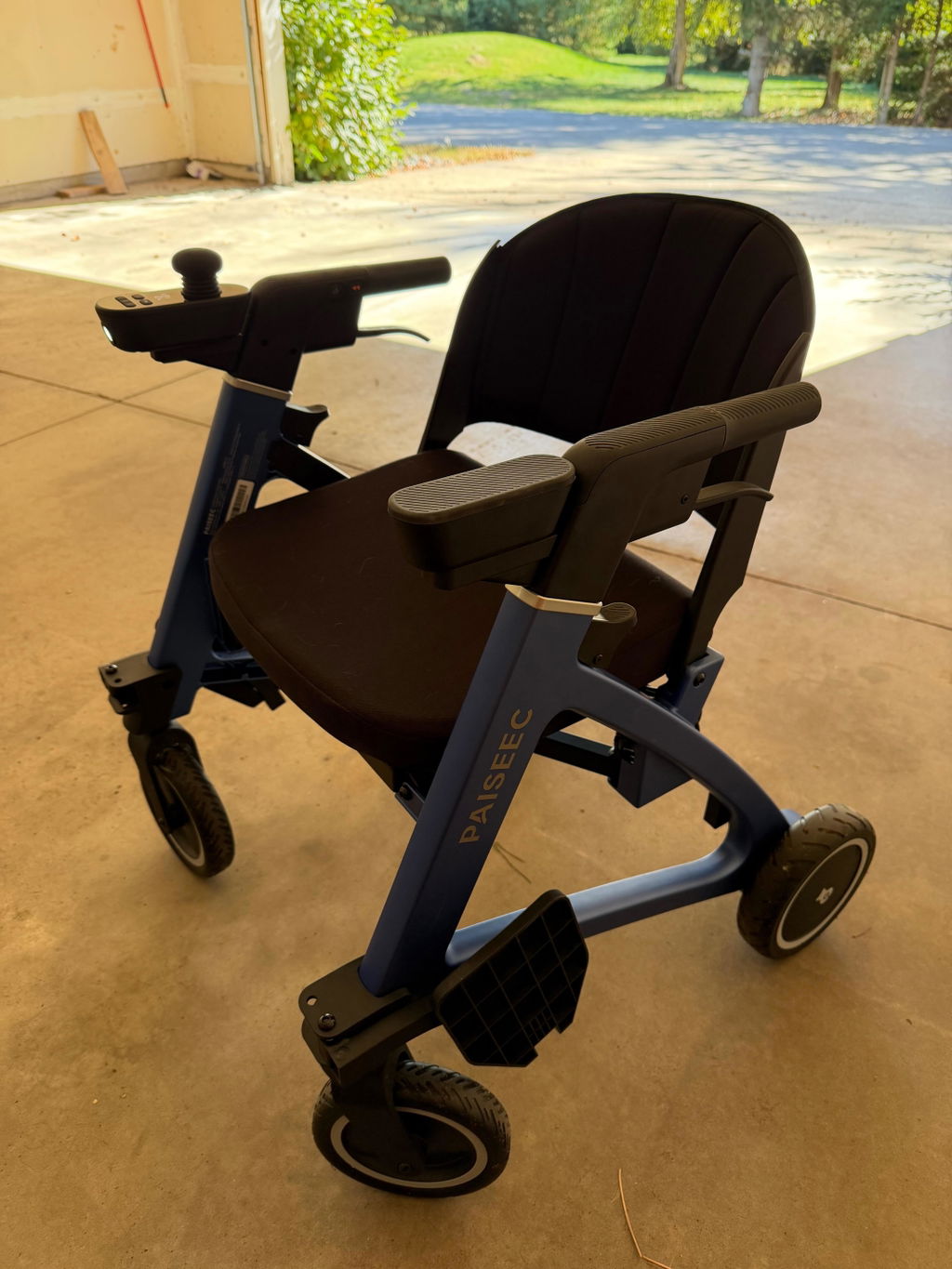
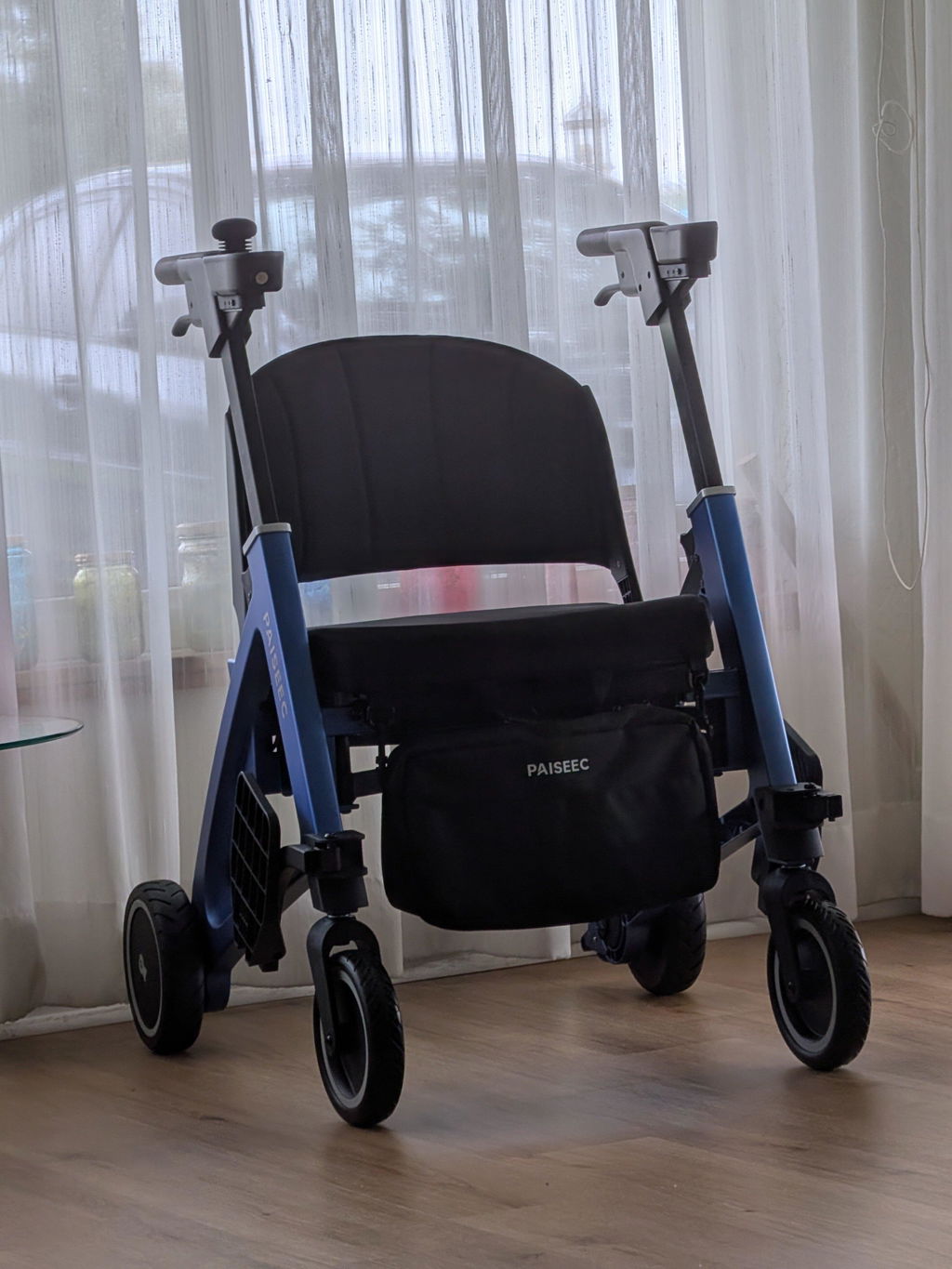
Paiseec's lightweight foldable scooters and multi-functional wheelchairs benefit active seniors who need indoor/outdoor versatility, plus caregivers who require easy transport and storage. The compact fold and stable frame make them ideal for errands, family visits, and community outings.
These devices shine for parents who still walk short distances but want to conserve energy for meaningful activities—grandchildren's events, grocery trips, or park walks. Caregivers appreciate the simple fold mechanism and manageable weight, which reduce the physical strain of loading and unloading. Paiseec designs these products to align with real-world caregiver workflows, not just specs on a page.
What maintenance routines keep mobility aids safe and reliable for long-term use?
Keep mobility aids safe with routine checks every few weeks: inspect loose bolts, worn tips, and damaged wheels; keep frames dry to prevent rust; and replace worn grips and parts promptly. For powered devices, follow battery charging best practices and schedule annual service inspections.
Caregivers should integrate a simple checklist: tighten fasteners, test brakes, verify tire pressure, and wipe down contacts after wet use. For scooters and power chairs, avoid deep discharges and store batteries at moderate temperatures. Paiseec's support includes user manuals and responsive service, helping families maintain peak performance without guesswork.
Conclusion
Mobility aids are not about limiting aging parents—they're about unlocking safer, more confident movement so caregivers can shift from constant physical support to meaningful companionship. Start with honest observation, get a professional assessment, and choose devices that fit both the person and the home. Prioritize stability, ease of use, and transportability, and maintain equipment proactively. With the right tools—and brands like Paiseec that validate performance with real data—families can preserve independence, reduce fall risk, and keep daily life flowing smoothly.
FAQs
Q: Can a rollator replace a walker for someone with balance issues?
A rollator can replace a walker if the user has mild-to-moderate balance needs and benefits from smoother rolling and a built-in seat. For heavy weight-bearing support or very slow, deliberate walking, a standard walker may still be safer.
Q: How do I know if my parent needs a scooter instead of a walker?
If your parent tires quickly after short distances, avoids outings, or has unsafe gait over longer routes, a scooter may be appropriate. A therapist can confirm whether walking is still safe or if powered mobility better preserves independence.
Q: Are mobility scooters covered by insurance or Medicare?
Medicare Part B may cover certain powered mobility devices with a physician's prescription and documentation of medical necessity, typically through enrolled DME suppliers. Processing can take weeks; some families opt for cash-pay for faster access.
Q: What's the easiest way to transport a mobility scooter in a car?
Choose a travel scooter that disassembles into lightweight components or a foldable model that fits in the trunk. Practice loading once with the caregiver to reduce stress on outing days.
Q: How often should mobility aids be serviced or replaced?
Inspect devices every few weeks for wear and perform annual professional checks. Replace aids when safety features degrade (brakes, tires, tips) or when the user's needs change and the device no longer matches their mobility level.
Leave a comment
This site is protected by hCaptcha and the hCaptcha Privacy Policy and Terms of Service apply.