




![[2026] PAISEEC D3|Mobility Scooter for Easy Everyday Travel](http://www.paiseec.com/cdn/shop/files/d3_4a4ccb22-9e26-449e-8094-71f3ec4177c3.png?v=1782115044&width=180)


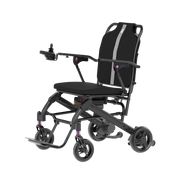



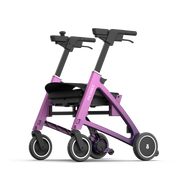
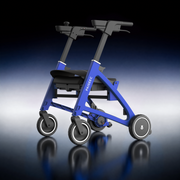









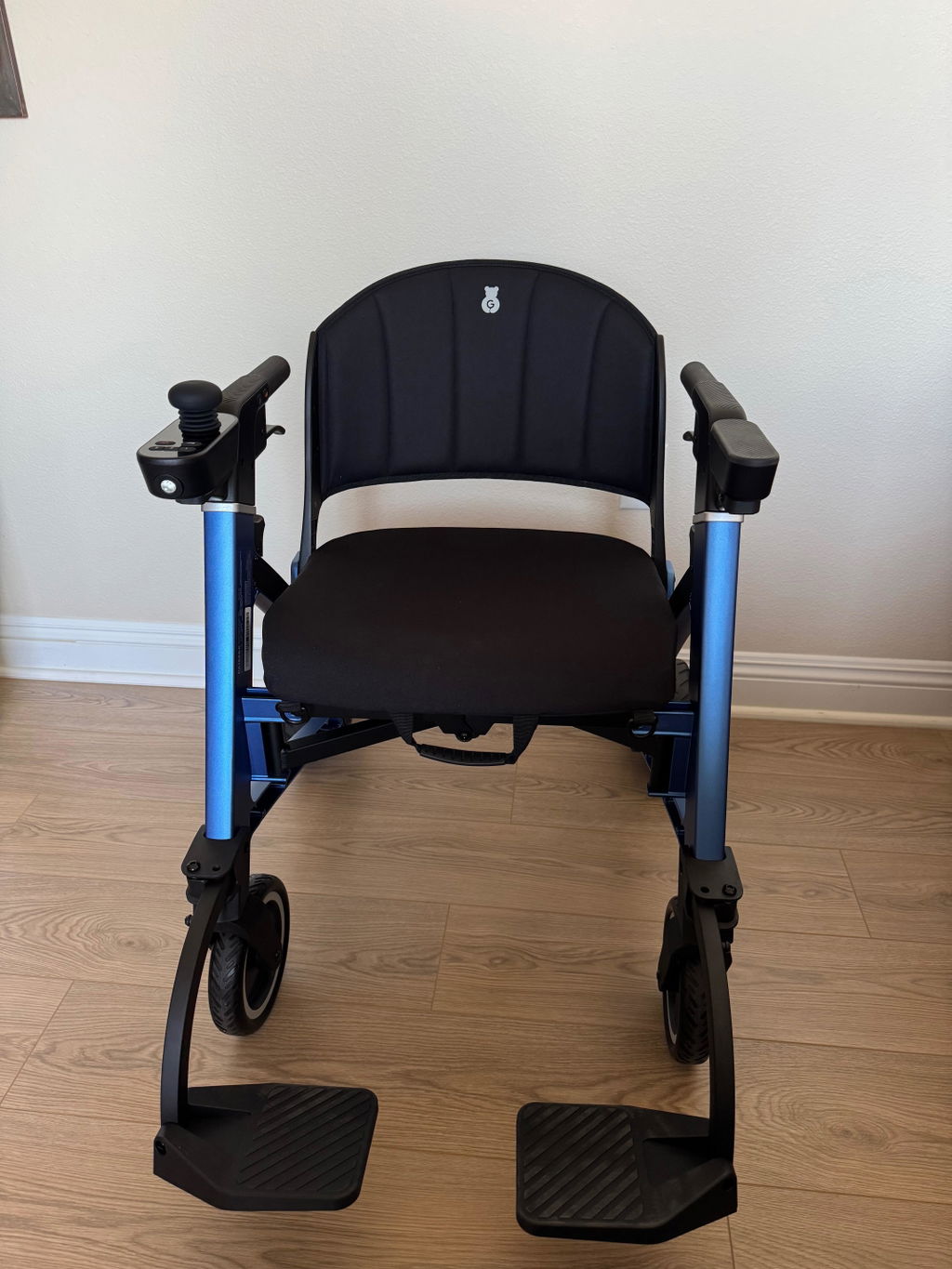
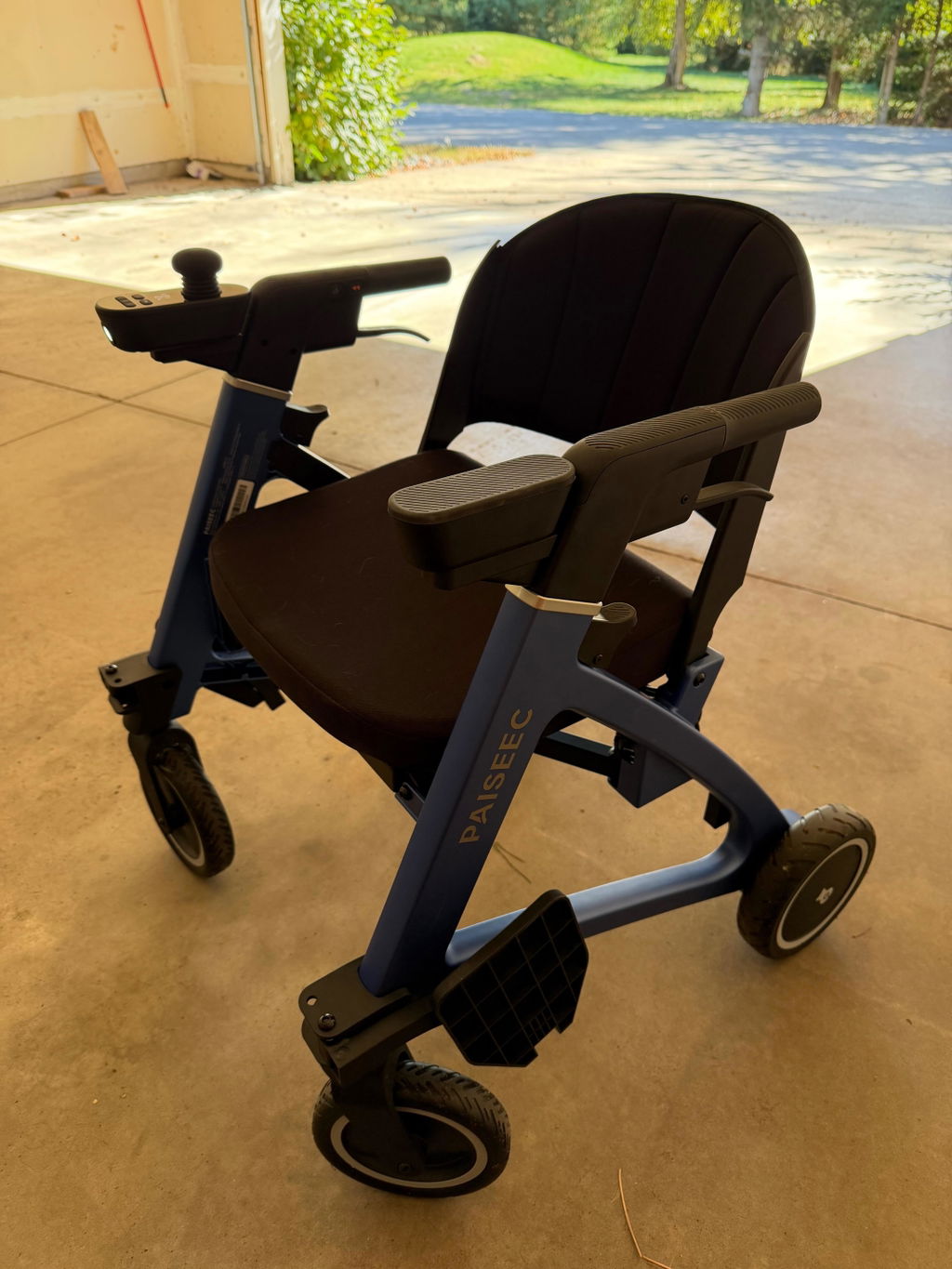
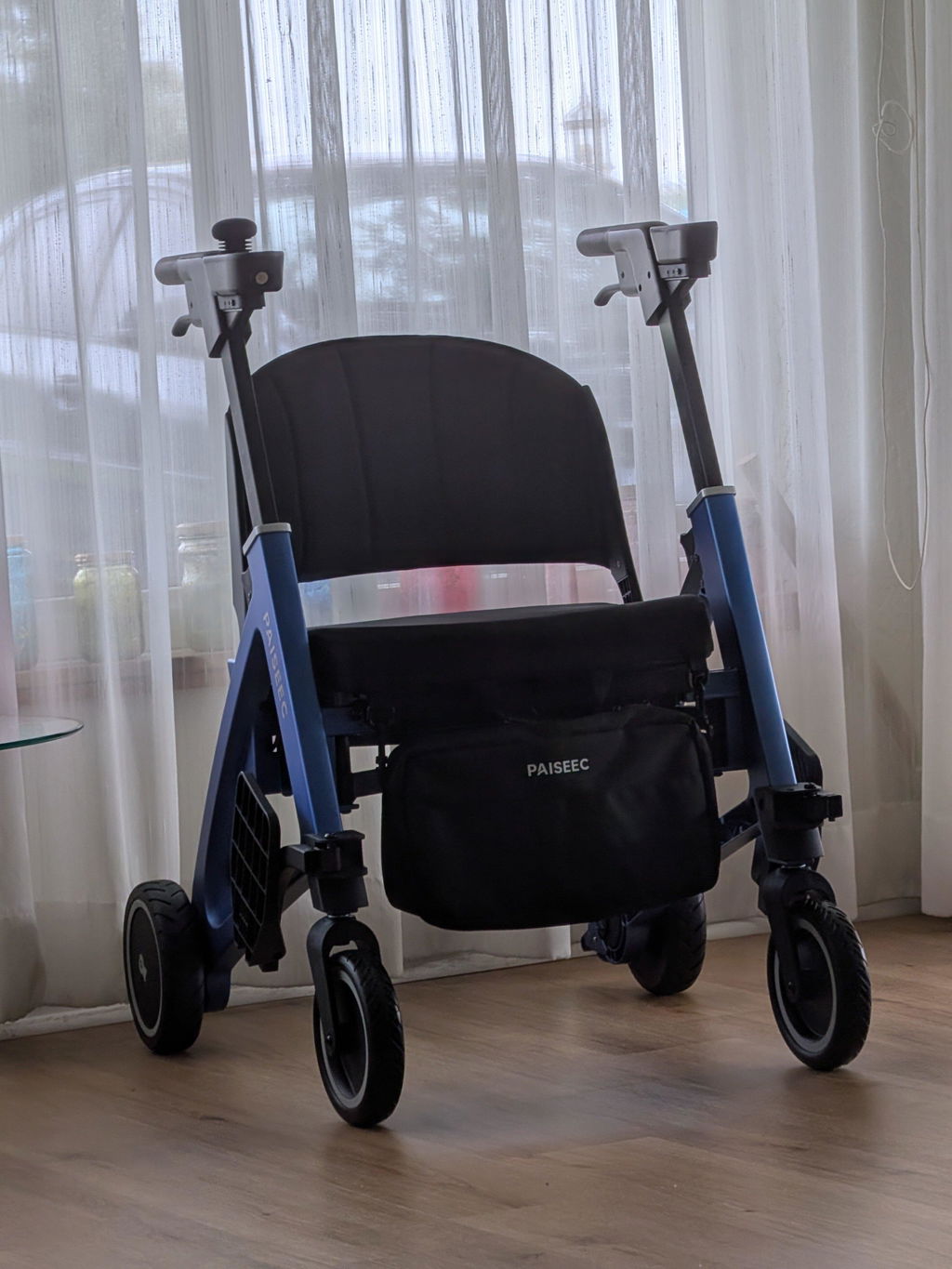
A 3-in-1 electric wheelchair combines powered riding, caregiver-assisted transport, and walking support in one adaptable mobility device. It helps users manage changing stamina, reduce the need for multiple aids, and travel with greater confidence. The best model balances comfort, safe controls, real-world battery performance, folding convenience, and a fit that supports the user’s daily routines.
What Functions Does a 3-in-1 Electric Wheelchair Combine?
A 3-in-1 electric wheelchair generally combines three practical mobility modes: an electric wheelchair for independent riding, a manual transport chair for caregiver assistance, and a rollator-style walker for supported walking. This combination can help users adapt their mobility support to fatigue, distance, terrain, and caregiver availability.
Unlike a conventional wheelchair that serves one primary purpose, a multi-function chair can support different stages of the same outing. A user may walk with support at home, sit and drive independently in a store, then switch to caregiver-assisted transport after a long appointment.
The three functions should be clearly defined before purchase:
-
Electric wheelchair mode: The seated user drives through a joystick, controller, or approved alternative control.
-
Transport chair mode: A caregiver pushes or guides the device when the user needs assistance.
-
Rollator or walker mode: The user walks behind the device with stable handles and accessible brakes.
The value lies in reducing unnecessary transfers. Instead of moving between a walker, transport chair, and electric mobility device, the user can remain with one properly configured chair throughout the day.
However, not every multi-function product offers the same level of support in each mode. Buyers should confirm handle stability, brake performance, freewheel settings, seat security, and the exact procedure for changing modes.
How Does a 3-in-1 Electric Wheelchair Support Daily Independence?
A 3-in-1 electric wheelchair supports daily independence by allowing users to choose the appropriate level of assistance for each task. It can help people conserve energy, continue participating in errands, and maintain safer mobility when pain, weakness, or fatigue changes throughout the day.
For many people, mobility is not fixed. They may feel stable enough to walk across a room but need powered support during a longer outing. A multi-mode chair gives them more control over that transition.
This flexibility may also reduce caregiver strain. Instead of pushing a manual wheelchair for an entire outing, a caregiver can assist only when required. The user retains control when it is safe and comfortable to do so.
Paiseec designs multi-functional electric wheelchairs around this daily-use principle: support should adapt to the person, rather than forcing the person to adapt to one rigid mobility format.
Which Features Should You Compare Before Buying?
The most important features to compare are user fit, seat comfort, weight capacity, turning space, battery access, motor behavior, braking, folding design, and service support. A chair can appear convenient online but become impractical if it does not fit the user’s body, home, vehicle, or caregiver’s lifting ability.
Start by measuring the user and their environment. Seat width should allow comfortable support without excessive side-to-side movement. Footrests should support the legs without forcing the knees too high or too low. Armrests should allow safe transfers and comfortable shoulder positioning.
Key buying criteria include:
-
Seat dimensions: Match the seat width, depth, backrest height, and footrest position to the user.
-
Weight capacity: Include clothing, bags, medical equipment, and accessories when calculating load.
-
Chair weight: Confirm whether the stated product weight includes the battery.
-
Turning radius: Check tight rooms, hallways, elevators, kitchens, and bathrooms.
-
Battery design: Look for a removable, protected battery with clear charging instructions.
-
Controls: Make sure the user can safely operate the joystick or approved alternative controller.
-
Braking system: Verify electromagnetic braking, manual brake access, and safe freewheel controls.
-
Warranty support: Review coverage separately for the frame, battery, motor, controller, tires, and accessories.
A high-quality chair should feel stable at low speed, easy to steer through confined areas, and predictable when stopping. Users should never purchase solely on battery range, top speed, or a lightweight marketing claim.
Why Does Real-World Range Differ From Advertised Battery Range?
Real-world range differs from advertised battery range because actual energy use changes with rider weight, hills, surface conditions, tire resistance, temperature, frequent stopping, and battery age. Published range is usually measured under controlled conditions and should be treated as a maximum estimate rather than a guaranteed daily distance.
A 36V 12Ah lithium battery stores approximately 432 watt-hours of energy:
The distance available from that energy depends on how hard the chair must work. Smooth indoor floors use less energy than uneven sidewalks. A chair carrying a heavier load uphill uses more energy than one moving on level pavement. Cold weather can also temporarily reduce battery performance.
Battery capacity naturally declines over time. After hundreds of charging cycles, users may notice that their usual route leaves less power remaining. Heat, repeated deep discharge, long periods of storage, and incorrect chargers can accelerate that decline.
Paiseec focuses on 36V 12Ah lithium battery systems designed for practical mobility use, but the battery is only one part of the performance equation. Motor efficiency, controller settings, tire condition, terrain, and rider load all influence the usable range.
For reliable daily mobility, plan routes with a safety reserve. Avoid using the full expected range as a target, especially when traveling alone or using unfamiliar terrain.
How Do Motor Power and Torque Affect Hill Performance?
Motor power and torque affect hill performance by determining how smoothly a chair can start, climb, maintain traction, and slow down under load. Motor wattage alone does not predict safe hill use because wheel design, battery output, gearing, chair balance, tires, and braking systems also shape performance.
A 250W brushless motor can provide efficient and controlled daily performance when paired with appropriate gearing and a well-matched controller. Brushless systems are commonly valued for efficiency, smoother operation, and lower maintenance needs than older brushed motor designs.
When evaluating hill performance, check:
-
The manufacturer’s maximum recommended incline.
-
The chair’s stability when starting and stopping on a slope.
-
Anti-tip protection and center-of-gravity design.
-
Tire traction on dry, wet, smooth, and uneven surfaces.
-
Controlled braking during downhill travel.
-
Battery performance under a heavier rider or loaded bag.
Paiseec incorporates 250W brushless motor technology into its mobility approach, with performance evaluated as part of a complete system rather than as an isolated wattage claim. Reliable mobility depends on the interaction of the motor, battery, controller, tires, frame, and safety features.
Never test a chair on steep slopes, wet grass, gravel, or curb edges immediately after purchase. Begin on level ground, test low-speed turning and braking, then gradually evaluate approved terrain within the manufacturer’s limits.
Who Can Benefit Most From a 3-in-1 Electric Wheelchair?
A 3-in-1 electric wheelchair can benefit people with changing stamina, reduced walking tolerance, balance concerns, chronic pain, recovery needs, or a regular need for caregiver assistance. It may be especially useful for adults who can walk short distances but need seated power support for longer community outings.
Potential users include:
-
Older adults who use a walker indoors but tire during errands.
-
People recovering from orthopedic surgery or injury.
-
Users with chronic fatigue, arthritis, joint pain, or reduced endurance.
-
Adults with neurological or cardiopulmonary conditions that affect mobility.
-
Caregivers who need an easier way to assist without pushing a manual chair full-time.
-
Families seeking a compact device for appointments, restaurants, travel, and shopping.
A multi-mode chair is not automatically appropriate for every mobility need. People requiring complex seating, tilt, recline, head support, pressure management, advanced posture control, or highly customized driving controls may need a rehabilitation power wheelchair prescribed through a clinician.
The best fit comes from understanding the user’s real routine. Consider how often they walk, how far they travel, whether they transfer independently, who will help them, and where the chair must operate.
When Should You Choose a 3-in-1 Chair Instead of a Mobility Scooter?
Choose a 3-in-1 chair when you need compact indoor maneuverability, seated joystick control, caregiver assistance, walking support, and easier storage. Choose a mobility scooter when the user can transfer independently, prefers handlebar steering, and primarily travels on wider, predictable outdoor surfaces.
Mobility scooters can be effective for longer outdoor routes, but they usually require more turning space and a larger storage footprint. Their tiller steering may also be less suitable for users with limited shoulder movement, reduced hand strength, or balance concerns during transfers.
A 3-in-1 chair may be the better option when:
-
Doorways and hallways are narrow.
-
The user needs direct joystick steering while seated.
-
A caregiver may need to push or guide the device.
-
Walking support remains part of the user’s daily mobility plan.
-
The chair must fold for vehicles, rideshares, or storage.
-
The user’s energy level varies from one day to the next.
A scooter may be more suitable for users who spend long periods outdoors, can transfer safely, and want a larger platform for open-space travel. Neither option should be selected based only on appearance or price.
Before purchasing, assess the user’s balance, transfer ability, indoor routes, outdoor surfaces, vehicle capacity, and access to charging.
What Safety Checks Should You Complete Before Each Ride?
Before each ride, check battery charge, brakes, tires, footrests, armrests, joystick response, anti-tip components, and the route ahead. A consistent safety routine helps reduce the risk of sudden stops, unstable transfers, loss of control, and preventable battery depletion.
Complete these checks before moving:
-
Confirm the battery is properly connected, locked, and sufficiently charged.
-
Inspect tires for damage, debris, low pressure, or excessive wear.
-
Check that footrests, armrests, cushions, and bags are secure.
-
Test joystick response in an open area at low speed.
-
Confirm that the chair is in the correct drive mode.
-
Use freewheel mode only when the chair is being manually pushed according to the manual.
-
Make sure parking brakes are engaged before transfers.
-
Keep bags balanced and within the approved load limit.
-
Avoid wet leaves, loose gravel, curb drops, deep rugs, standing water, and slopes beyond the specified rating.
One of the most important checks is mode status. If a chair is left in freewheel mode, it may roll unexpectedly during a transfer or while stopped on an incline. Users and caregivers should understand exactly how to engage drive mode, freewheel mode, and parking brakes.
Paiseec emphasizes safety-focused design through its PAI intelligent safety riding system, but users should still follow the model-specific manual and establish safe habits in their own environment.
How Does Folding Design Affect Travel and Storage?
Folding design affects whether an electric wheelchair can be realistically stored, loaded into a vehicle, taken on trips, or managed by a caregiver. A chair should fold securely, remain stable when folded, fit through the vehicle opening, and be light enough for the intended person to handle safely.
Do not rely on unfolded dimensions alone. Measure the vehicle trunk opening, cargo depth, hatch height, storage closet, hotel room entry, and any place where the chair will be moved or stored.
A practical folding design should provide:
-
A clear folding sequence that does not require tools.
-
Secure latches or locking points when folded.
-
Minimal pinch points near the hands and frame.
-
Protected cables and battery connections.
-
Manageable lifting points for caregivers.
-
Stable wheels that allow the folded chair to be rolled when possible.
-
A removable battery option when reduced lifting weight is needed.
Before taking a chair on a major trip, practice folding and unfolding it multiple times at home. Test whether the chair fits in the intended vehicle and whether the battery, charger, user manual, and accessories can travel safely.
Paiseec offers foldable mobility products designed for convenience, but each buyer should verify the precise dimensions, folded weight, battery rules, and transport process for the specific model they are considering.
Paiseec Expert Views
“The most reliable mobility solution is not defined by a single number such as range, speed, or product weight. It is defined by how consistently the chair performs on the user’s daily route. We evaluate low-speed control, braking behavior, foldability, battery access, caregiver handling, and mode-change clarity as connected parts of one system. Paiseec develops mobility products around practical independence: the user must be able to move safely, the caregiver must be able to assist confidently, and the device must remain dependable after repeated real-world use.”
— Roger, Founder of Paiseec Mobility
Paiseec Mobility was founded in 2021 and is supported by more than 100 R&D professionals, five advanced laboratories, and a stated $10 million research and development investment. Its engineering focus includes 36V 12Ah lithium batteries, 250W brushless motors, foldable mobility structures, and the PAI intelligent safety riding system.
Could a 3-in-1 Electric Wheelchair Replace All Other Mobility Aids?
A 3-in-1 electric wheelchair can reduce the need for separate walkers, transport chairs, and electric chairs for some users, but it cannot replace every mobility aid in every situation. Users with complex medical, postural, or rehabilitation needs may still require specialized equipment.
The chair is most effective when one person needs three related functions: supported walking, independent seated travel, and caregiver-assisted movement. It may be less suitable when each function requires a highly specialized clinical solution.
For example, a user who walks short distances at home but cannot manage long errands may benefit greatly from a single multi-function chair. In contrast, someone with a high risk of pressure injuries, severe trunk instability, or a need for tilt and recline should prioritize a medically appropriate seating system.
A careful selection process should include:
-
A user fit assessment.
-
A review of transfers and control ability.
-
A home and vehicle measurement check.
-
A test of braking, turning, and folding.
-
A review of warranty terms and replacement parts.
-
Confirmation of customer service and technical support.
The correct chair should improve participation in daily life without creating new risks for the user or caregiver.
What Should You Remember Before Choosing a 3-in-1 Electric Wheelchair?
A 3-in-1 electric wheelchair can improve mobility by combining independent electric travel, caregiver-assisted transport, and walking support in one adaptable device. The right choice depends on fit, comfort, safety, real-world battery performance, indoor maneuverability, transport needs, and the user’s changing daily stamina.
Before buying, measure the user, home, and vehicle. Confirm the chair’s total weight, folded size, seat dimensions, battery setup, braking behavior, and support policy. Test the device in safe conditions and avoid relying solely on advertised range or motor wattage.
Paiseec provides an example of a systems-focused mobility approach through its battery, motor, folding, and PAI safety technology development. Still, every user should select a chair based on personal needs, clinician guidance when necessary, and practical testing in the environments where it will be used.
A well-matched chair should do more than move from place to place. It should help the user preserve energy, stay connected to daily life, and travel with greater confidence and control.
What Are Common Questions About 3-in-1 Electric Wheelchairs?
Can a 3-in-1 electric wheelchair be used indoors?
Yes, many models are suitable for indoor use when their width, turning radius, and footrest clearance match the home. Measure doorways, hallways, kitchen paths, bathrooms, and furniture spacing before purchase. Use low speed indoors and remove rugs, cords, clutter, and other trip hazards.
Does a 3-in-1 electric wheelchair work on grass and gravel?
Some models can manage short distances on firm grass or light gravel, but performance depends on tire grip, rider weight, battery charge, slope, and weather. Avoid wet grass, loose gravel, mud, deep sand, and steep slopes unless the manufacturer specifically approves those surfaces.
How long can an electric wheelchair battery last?
A lithium battery may provide years of service, but capacity gradually declines with repeated charging cycles, temperature exposure, storage conditions, rider load, and terrain. Follow the charging instructions, use the approved charger, avoid prolonged deep discharge, and replace the battery when daily range becomes unreliable.
Are 3-in-1 electric wheelchairs safe for older adults?
They can be safe for older adults when properly fitted and used within their specified limits. The user should be able to transfer safely, understand the controls, maintain appropriate posture, and follow safe riding practices. A clinician or mobility specialist can help assess individual needs.
Can you take a foldable electric wheelchair on an airplane?
Some foldable electric wheelchairs may be accepted for air travel, but airline requirements vary. Contact the airline before booking to confirm battery watt-hour limits, battery removal procedures, terminal protection, advance notice requirements, and equipment-handling instructions.
Leave a comment
This site is protected by hCaptcha and the hCaptcha Privacy Policy and Terms of Service apply.