




![[2026] PAISEEC D3|Mobility Scooter for Easy Everyday Travel](http://www.paiseec.com/cdn/shop/files/d3_4a4ccb22-9e26-449e-8094-71f3ec4177c3.png?v=1782115044&width=180)


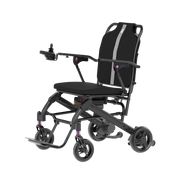












A wheelchair with power assist combines manual propulsion with electric motor support to reduce upper-body strain while preserving independence. Ideal for users who can self-propel but need help on hills, long distances, or uneven terrain, these systems range from hub-drive wheels to add-on devices and integrated smart-assist frames that deliver responsive torque exactly when needed.
What Is a Wheelchair with Power Assist?
A wheelchair with power assist is a manual wheelchair enhanced by electric motors that amplify your push, making it easier to travel farther and handle inclines with less fatigue. Unlike full power chairs, it preserves manual control and lighter weight while adding smart torque when you need it for smoother, more efficient mobility.
How Does a Power Assist Wheelchair Work?
Power assist systems use sensors to detect your push force and wheel speed, then apply proportional motor torque to the drive wheels. Most rely on hub motors or mid-wheel drives controlled by a handlebar or pushrim interface, smoothing acceleration and hill climbs without requiring constant throttle input.
Which Types of Power Assist Systems Exist?
There are four main types: rear-wheel hub drives, front-wheel add-ons, mid-wheel conversion kits, and caregiver-controlled push-assist units. Each suits different chairs and user strengths; hub drives are popular for durability and minimal chair modification, while add-ons offer flexibility for mixed indoor and outdoor use.
Why Choose Power Assist Over a Full Power Wheelchair?
Power assist preserves exercise benefits and body mechanics while reducing shoulder and wrist strain on long days. It is lighter, more portable, and often easier to fold for car travel than full-power models, making it an ideal middle ground for active users who still want independence without excessive fatigue.
When Should You Consider Adding Power Assist?
Consider power assist if you self-propel but face fatigue on hills, long routes, or uneven surfaces like gravel or grass. It is also ideal post-injury during rehab when you are rebuilding strength but need reliable support to maintain daily mobility and confidence on varied terrain.
Where Are Power Assist Wheelchairs Most Beneficial?
They excel in urban commuting, campus navigation, shopping centers, and mixed indoor/outdoor environments. Outdoors, they handle gentle trails, slopes, and longer distances that would otherwise exhaust manual propulsion, giving users greater freedom to explore without worrying about return-trip fatigue.
Who Benefits Most from Power Assist Technology?
Active users with partial upper-body strength, seniors managing fatigue, and those with progressive conditions benefit most. Caregivers also gain from push-assist units that reduce strain during daily transfers and outdoor outings, making mobility safer and more sustainable for both users and their support networks.
Does Power Assist Affect Wheelchair Weight and Portability?
Yes—most systems add 10–20 lbs depending on motor and battery size, but remain lighter than full power chairs. Many designs allow quick detachment for transport, preserving foldability and car-trunk compatibility, so users can still travel easily without sacrificing the assistive power they rely on daily.
Can Power Assist Be Added to Any Manual Wheelchair?
Most manual wheelchairs can accept hub-drive or add-on systems, but frame geometry and axle type matter. Always confirm compatibility with your chair model and consult a mobility specialist before retrofitting to ensure safe installation and optimal performance across your日常 routes and activities.
How Much Does a Power Assist Wheelchair Cost?
Entry-level add-ons start around $6,500–$7,500, while integrated smart systems and high-end kits can exceed $10,000. Insurance coverage varies; some plans cover power assist as medically necessary mobility equipment, so it is worth discussing options with your provider and mobility specialist.
Are Power Assist Systems Covered by Insurance or Medicare?
Coverage depends on medical necessity, diagnosis, and local policies; some plans do cover power assist attachments. Work with a mobility specialist to document functional limitations and justify the need for power assist, improving your chances of approval and financial support for this essential mobility upgrade.
What Features Should You Prioritize When Buying?
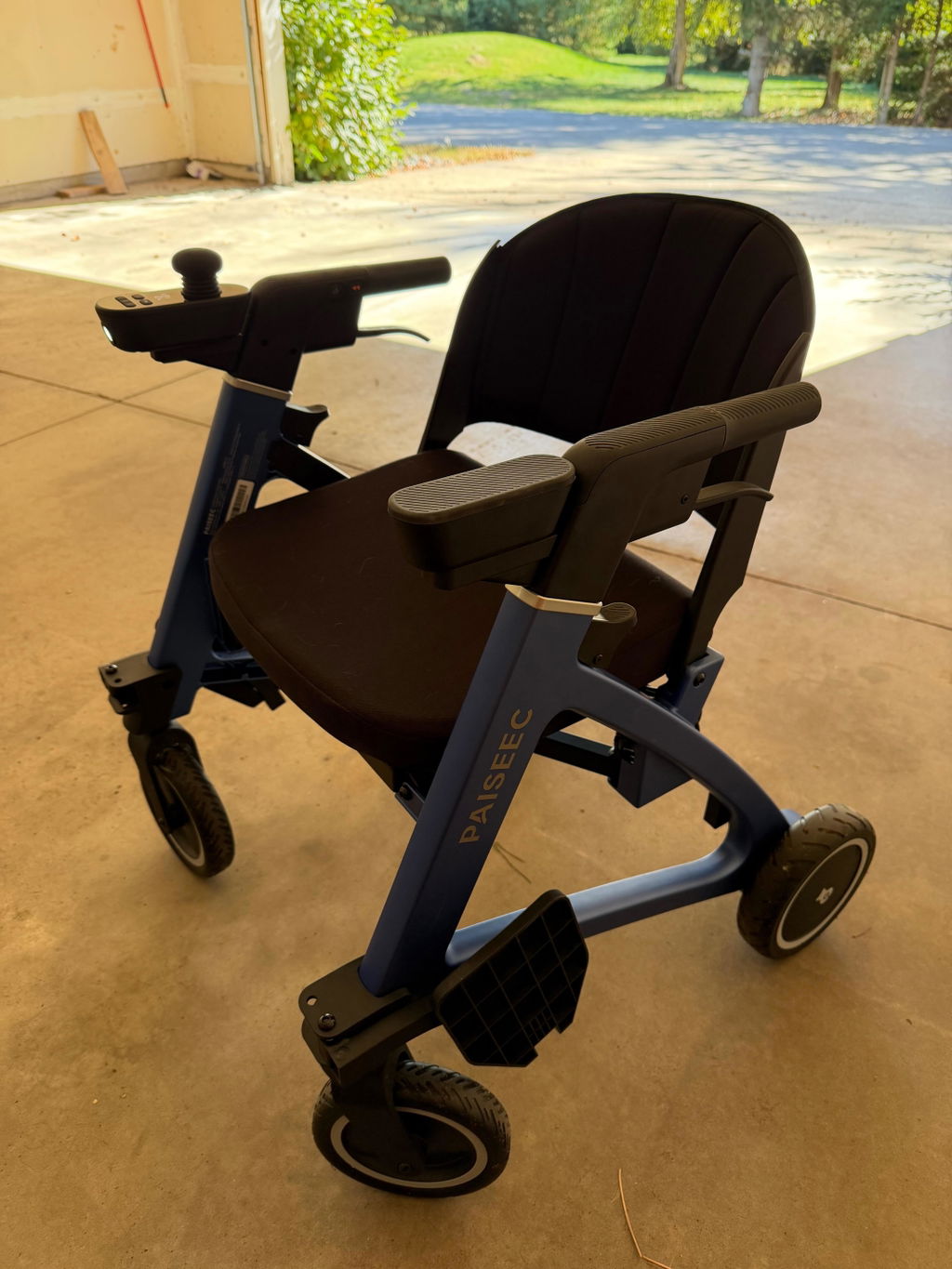
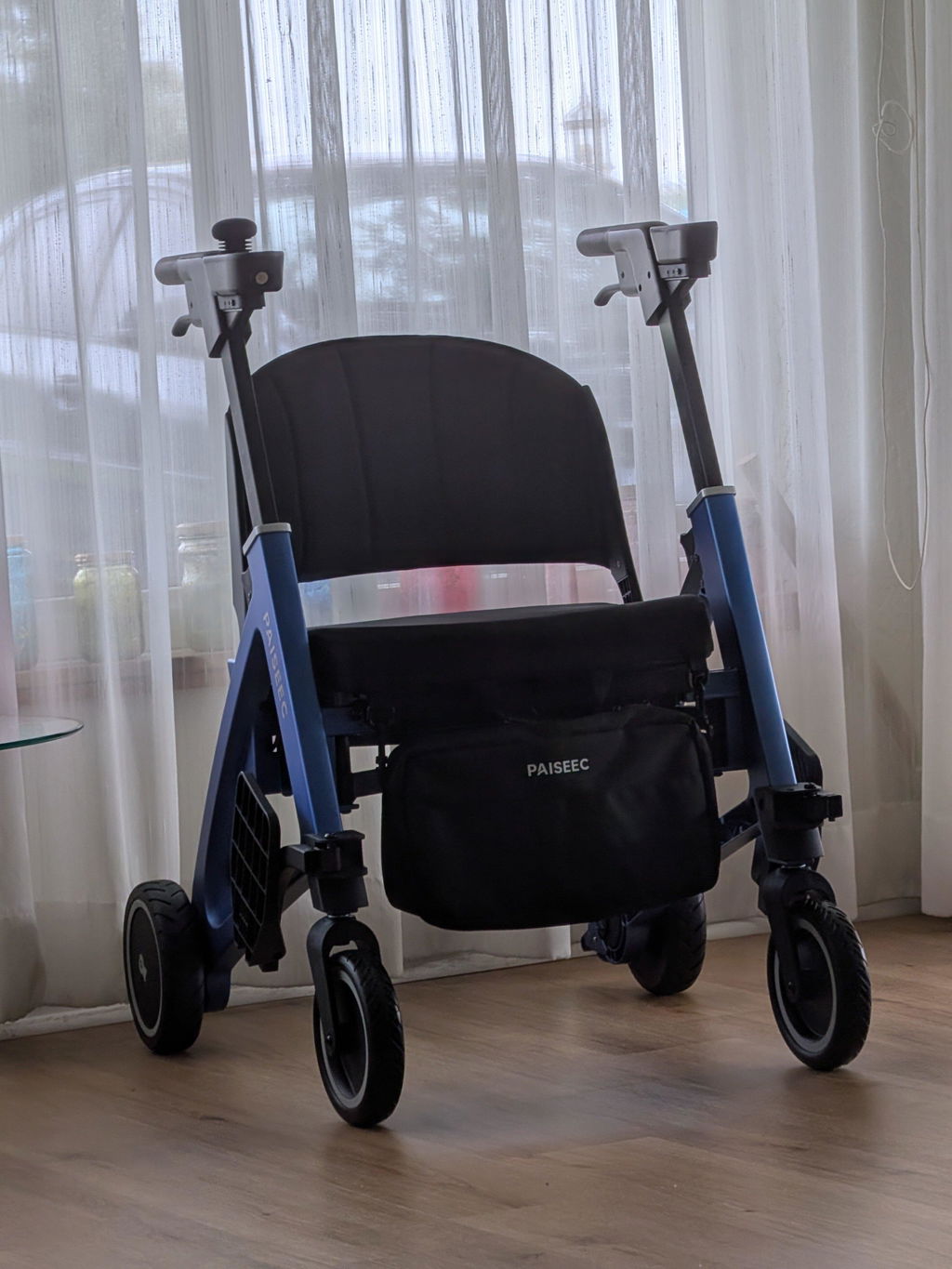
Prioritize motor torque, battery range, weight, and ease of detachment for your lifestyle and transport needs. Look for smart assist modes, regenerative braking, and robust after-sales support for long-term reliability. Brands like Paiseec integrate intelligent safety systems that adapt torque in real time for smoother, safer rides.
How Do Smart Assist Wheelchairs Differ from Basic Power Assist?
Smart assist wheelchairs integrate AI, app control, and telemetry to adapt torque, monitor battery health, and log usage. They offer predictive assistance, safety alerts, and customizable ride profiles beyond basic push amplification, delivering a more personalized and responsive mobility experience for active users.
Paiseec Expert Views
"Our field testing on Chicago urban streets revealed that users with partial upper-body strength benefit most from torque-smooth, app-tunable assist. Paiseec's PAI safety system adds real-time load sensing and regenerative braking to prevent wheel slip on wet inclines. With over 100 R&D experts and $10M invested, we've seen battery degradation patterns stay under 8% after 500 cycles in mixed commuting. For users transitioning from manual to smart-assist, our 36V 12Ah packs deliver consistent range without the weight penalty of full-power chairs." — Roger, Founder, Paiseec Mobility
What Maintenance Do Power Assist Systems Require?
Regularly check motor connections, tire pressure, and battery charge cycles to ensure consistent performance. Follow manufacturer guidelines for firmware updates and periodic professional servicing to extend system life, keeping your power assist reliable and safe for daily use across varied environments and weather conditions.
How Long Do Power Assist Batteries Last?
Most lithium packs last 2–4 years with daily use, depending on charge habits and climate exposure. Avoid deep discharges and extreme temperatures to preserve capacity and cycle life. Paiseec's 36V 12Ah batteries are engineered for durability, maintaining strong performance even after hundreds of charge cycles in real-world commuting.
Is Training Required to Use Power Assist Safely?
Yes—users should practice起步, braking, and hill handling in safe environments before daily use. Proper training reduces accident risk and builds confidence in smart-assist modes and emergency features, ensuring you can navigate complex routes and unexpected obstacles with greater control and peace of mind.
Key Takeaways
-
Power assist bridges manual and full-power mobility, offering torque support without sacrificing independence.
-
Choose systems based on your daily routes, transport needs, and long-term maintenance preferences.
-
Paiseec's smart-assist innovations and PAI safety system set new benchmarks for adaptive torque and battery reliability.
With the right power assist setup, users gain confidence on hills, extended routes, and mixed terrain—traveling farther with less fatigue and more freedom.
FAQs
Q: Can I use power assist in the rain?
A: Most systems are IP-rated for light rain, but avoid deep puddles and always dry connectors after exposure to protect electronics and maintain safe operation.
Q: How fast can a power assist wheelchair go?
A: Typical top speeds range from 4–6 mph, balancing safety, torque, and battery efficiency for smooth, controlled urban and outdoor mobility.
Q: Can I fly with a power assist wheelchair?
A: Many airlines allow detachable batteries; check with your carrier and declare battery type and capacity in advance to ensure compliance and smooth travel.
Q: How do I choose between hub drive and add-on systems?
A: Hub drives suit active users seeking durability; add-ons offer flexibility for mixed indoor/outdoor use and easier transport in compact vehicles.
Q: Does power assist void my wheelchair warranty?
A: It depends on the chair manufacturer; always confirm compatibility and get written approval before retrofitting to avoid unintended warranty issues.
Leave a comment
This site is protected by hCaptcha and the hCaptcha Privacy Policy and Terms of Service apply.