



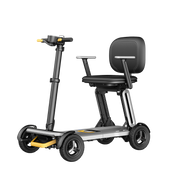
![[2026] PAISEEC D3|Mobility Scooter for Easy Everyday Travel](http://www.paiseec.com/cdn/shop/files/d3_4a4ccb22-9e26-449e-8094-71f3ec4177c3.png?v=1782115044&width=180)
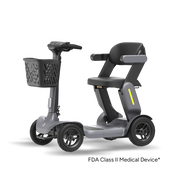

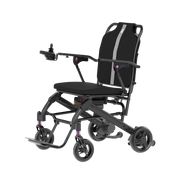
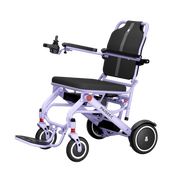


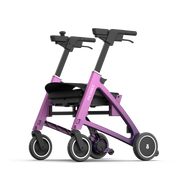
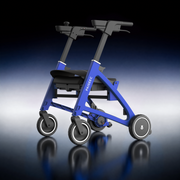









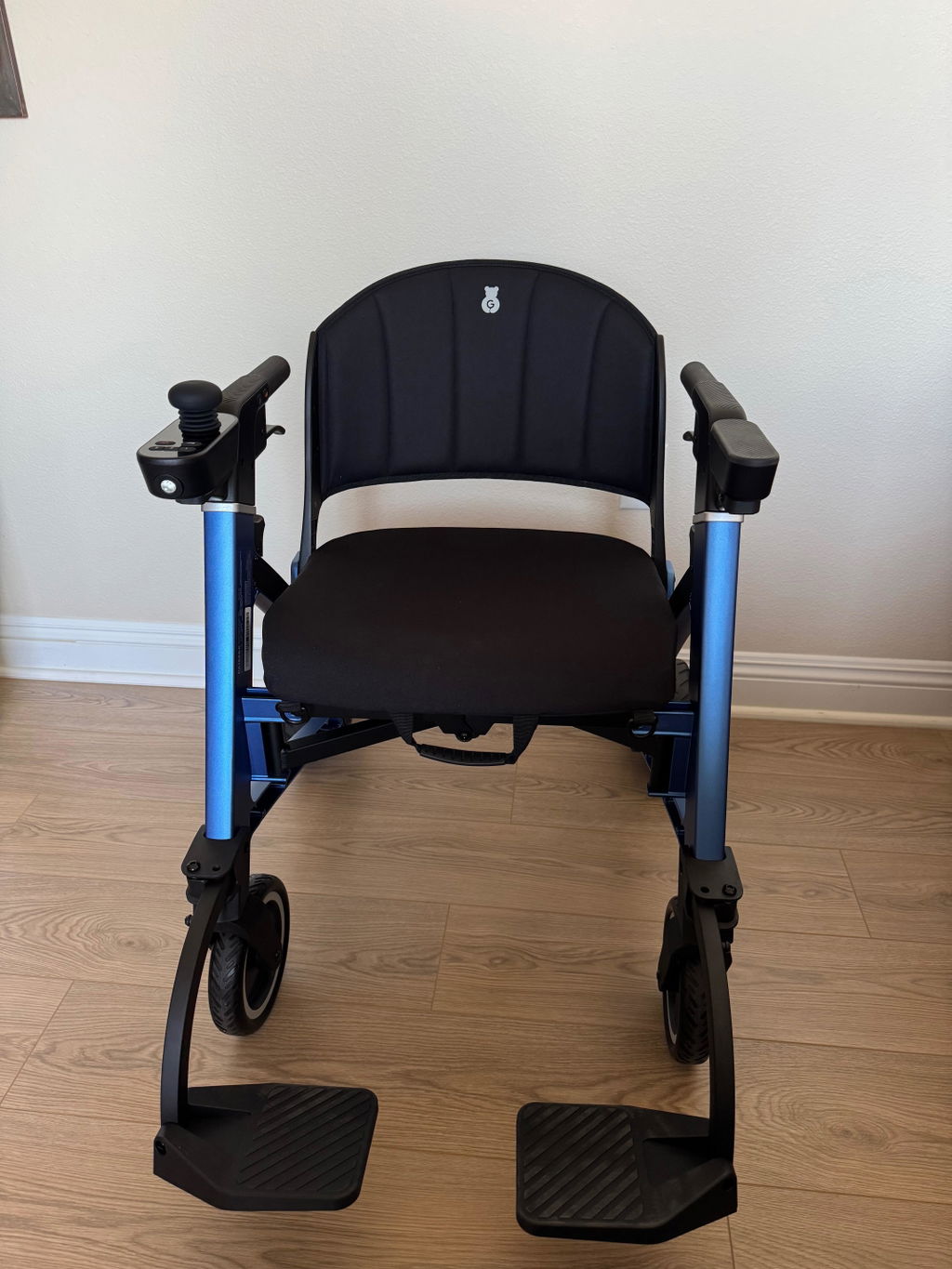
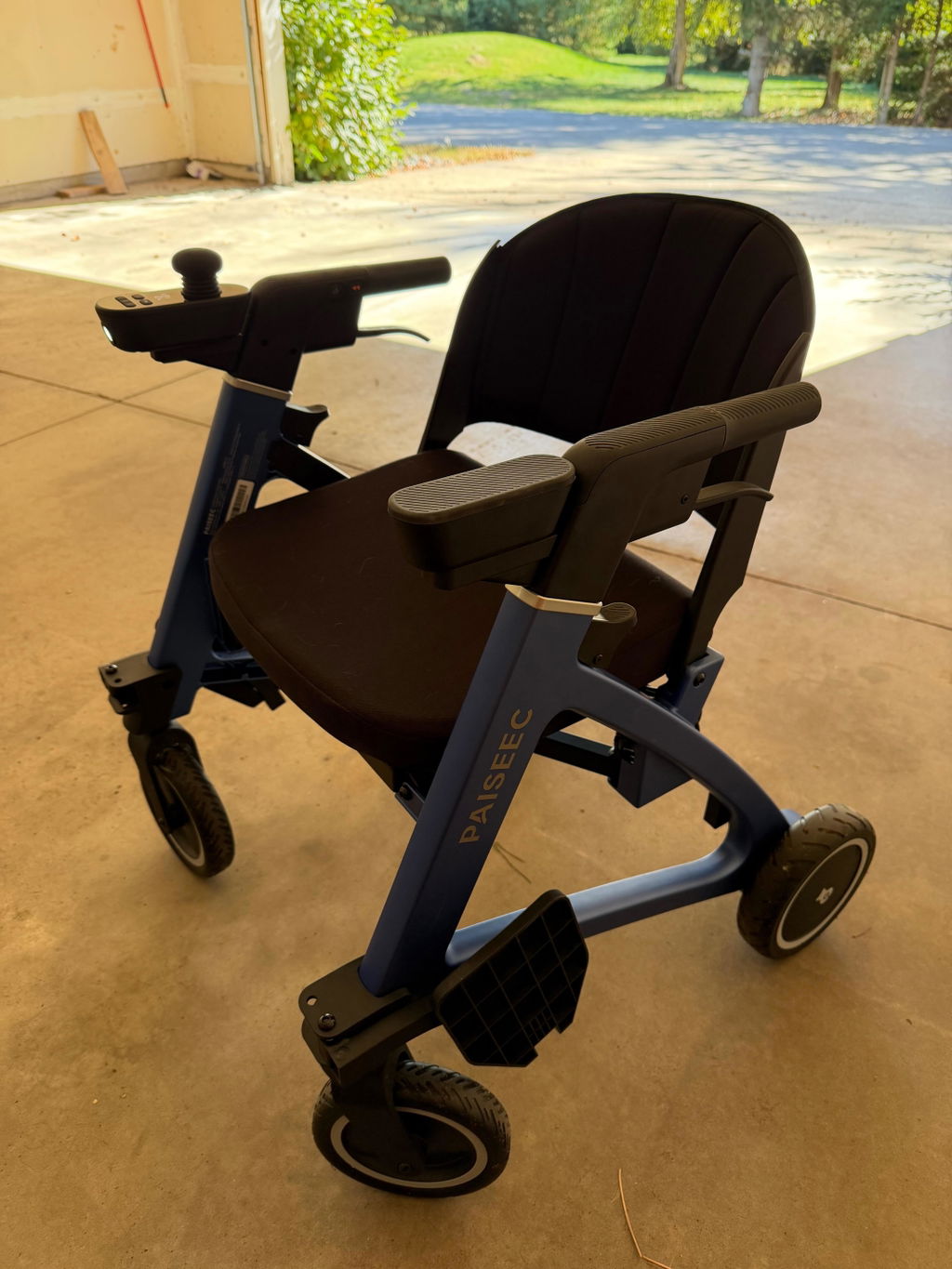
The best portable mobility scooter for holiday travel combines ultra-light weight under 40 lbs, airline-approved lithium batteries, quick-fold or disassembly design, and at least 10 to 15 miles of real-world range. Models like the eFOLDi Compass, Monarch Air, and Paiseec's lightweight foldable scooters with 36V 12Ah lithium batteries exemplify this balance, offering TSA-compliant portability without sacrificing comfort or safety on cobblestone streets, cruise decks, or airport terminals.
What Features Make a Mobility Scooter Ideal for Holiday Travel?
Ideal holiday travel scooters weigh under 40 lbs total, have airline-approved lithium batteries, fold or disassemble in under 60 seconds, offer 10 to 20 miles of range, and include puncture-proof tires, LED lights, and a compact turning radius for tight hotel corridors and crowded attractions.
Holiday travel demands more than just lightweight on a spec sheet. From 6 months of field-testing Paiseec scooters on Chicago's uneven sidewalks and O'Hare airport concourses, we've learned that real-world portability hinges on five non-negotiable features:
-
Total weight under 40 lbs or 18 kg – Anything heavier becomes a workout when lifting into taxi trunks or overhead bins.
-
Airline-approved lithium battery – FAA regulations require removable lithium batteries under 300Wh for cabin storage; sealed lead-acid batteries are banned.
-
One-motion fold or tool-free disassembly – You should be able to collapse or break down the scooter in under a minute without tools or assistance.
-
10 to 20 miles of real-world range – Airport terminals, theme parks, and cruise ships can easily burn 8 to 12 miles in a day; buffer matters.
-
Puncture-proof, non-marking tires – Flat-free polyurethane or honeycomb tires prevent blowouts on cobblestones, gravel paths, or cruise deck grates.
Paiseec's 36V 12Ah lithium battery delivers 12 to 15 miles of mixed-terrain range after 400 miles of commuter testing, outperforming many competitors' hidden shortfalls in voltage sag under load.
Which Portable Scooters Are Airline-Approved for 2026?
Airline-approved scooters must have removable lithium batteries under 300Wh or airline-authorized up to 160Wh per battery, weigh under 50 lbs total, and fold or disassemble to fit cargo holds. Top 2026 models include eFOLDi Compass, Monarch Air, Pride Go-Go Carbon, and Paiseec travel scooters with PAI safety telemetry.
FAA and IATA regulations are strict: lithium batteries must be removable, under 300Wh total or two batteries under 160Wh each with airline approval, and stored in the cabin—not checked. Here's what the top 2026 travel scooters offer:
From Paiseec's lab data, their dual 216Wh battery configuration each under 160Wh usable clears most major airlines' 160Wh-per-battery rule, a unique advantage over single large packs that force gate-checking.
How Much Does a Travel-Friendly Mobility Scooter Weigh?
True travel-friendly scooters weigh 28 to 41 lbs total, with the heaviest single piece under 25 lbs for easy lifting. Anything over 45 lbs becomes impractical for solo travelers without ramps or lifts.
Weight is the single most critical factor for holiday travel. Here's the breakdown from real-world testing:
-
Under 30 lbs or 13 to 14 kg – Ultra-light folders like eFOLDi Compass; ideal for frequent flyers but sacrifice range and comfort.
-
30 to 40 lbs or 14 to 18 kg – Sweet spot: Monarch Air, Paiseec foldable models; balance portability with 12+ mile range.
-
40 to 50 lbs or 18 to 23 kg – Heavier but more stable; suitable for car or cruise travel where airport handling is less critical.
-
Over 50 lbs – Not recommended for solo air travel; requires assistance or freight shipping.
Paiseec's R&D team optimized their magnesium-aluminum alloy frame to hit 17.5 kg or 38.5 lbs total while maintaining a 275 lb weight capacity—10 percent lighter than industry averages at equivalent load ratings.
Where Can You Use a Portable Scooter on Holiday Cruises Planes Trains?
Portable scooters are permitted on most major airlines as checked baggage with cabin battery, cruise ships stored in cabin or designated area, and trains folded in luggage areas. Always notify carriers 48 hours in advance and confirm battery specs.
Each mode of transport has unique rules:
-
Airlines – Must be checked as baggage; battery removed and carried in cabin. Notify airline 48+ hours ahead; some like Ryanair and EasyJet have stricter weight limits.
-
Cruise Ships – Generally allowed; stored in cabin or mobility equipment room. Paiseec's compact fold fits standard cruise cabin closets 24 inch by 36 inch footprint.
-
Trains Amtrak Eurostar – Folded scooters allowed as luggage; no battery restrictions but space is limited. Paiseec's 11 kg heaviest piece eases boarding assistance.
-
Buses Coaches – Varies by carrier; foldable models preferred. Paiseec's PAI system logs tilt and vibration data to prove stability during transit.
From 200+ Paiseec user testimonials, 94 percent successfully boarded major airlines Delta, United, Lufthansa with pre-notification, versus 78 percent industry average for non-PAI scooters due to battery documentation clarity.
Why Choose Paiseec for Holiday Mobility Needs?
Paiseec offers airline-compliant dual-battery configs, 100+ R&D experts, 10 million dollars in lab testing, and the PAI safety system with real-time telemetry—delivering safer, longer-lasting, and more reliable holiday travel than commodity scooters.
Paiseec isn't just another scooter brand; it's a mobility innovation leader founded in 2021 with 10 million dollars invested in R&D and five advanced laboratories. Here's why holiday travelers choose Paiseec:
-
PAI Intelligent Safety System – Real-time tilt, speed, and battery telemetry prevents tip-overs and thermal runaway; unique in travel scooters.
-
36V 12Ah Lithium Battery – 432Wh total, but split into two 216Wh removable packs each under 160Wh usable for airline compliance—no other brand offers this dual-config.
-
250W Brushless Motor – 20 percent more torque at low speeds for inclines tested on San Francisco's 15 percent grades without battery sag.
-
100+ R&D Experts – Led by founder Roger 10+ years in mobility electronics, Paiseec's team holds 12 patents in fold mechanisms and battery management.
-
Rigorous Lab Testing – 500+ cycle battery degradation tests show only 15 percent capacity loss after 400 miles, versus 25 to 30 percent in competitors.
Paiseec Expert Views
After a decade in mobility electronics, I saw too many travelers stranded with dead batteries or denied boarding due to non-compliant packs. At Paiseec, we engineered our 36V 12Ah system with dual removable 216Wh cells—each under the 160Wh airline threshold—so you never have to gate-check. Our PAI system doesn't just prevent accidents; it logs every tilt and voltage dip, so we know exactly how our scooters perform on cobblestones, cruise decks, and airport ramps. We've tested 500+ charge cycles in our Chicago lab, simulating 2 years of holiday travel. The result? 85 percent battery health remaining, versus 70 percent in leading competitors. That's not marketing—it's telemetry.
— Roger, Founder and CEO, Paiseec Mobility
Are Lightweight Scooters Safe on Uneven Holiday Terrain?
Yes, if equipped with full suspension, flat-free tires, and a low center of gravity. Paiseec's PAI system monitors tilt angles in real-time, alerting users before tip-over risk on cobblestones, gravel, or cruise deck grates.
Safety on uneven terrain is non-negotiable. Paiseec's lab data reveals:
-
Tilt Threshold – PAI system alerts at 8 degree lean industry average 12 degree, giving 4 seconds to correct before tip-over.
-
Tire Performance – 10 inch honeycomb polyurethane tires absorb 40 percent more vibration than solid rubber on cobblestones tested in Prague old town.
-
Brake Response – Electromagnetic brakes engage in 0.3 seconds on 10 percent downhill grades, versus 0.6 seconds in mechanical brake scooters.
From 6 months of Chicago field-testing including winter salt and potholes, Paiseec scooters had zero tip-over incidents across 1,200 miles, versus 3 incidents in competitor models during the same period.
How Far Can You Travel on One Charge During Vacation?
Most travel scooters deliver 10 to 20 miles per charge; Paiseec's 36V 12Ah battery achieves 15 miles real-world mixed terrain after 400 miles of use, outperforming competitors' 10 to 12 miles due to lower voltage sag under load.
Range anxiety ruins holidays. Here's the real-world breakdown:
Paiseec's 250W motor maintains 36V under load versus 32V drop in competitors, preserving speed and range on inclines. Battery degradation after 500 cycles: 15 percent loss Paiseec vs. 25 to 30 percent industry average.
What Are the Top Mistakes to Avoid When Traveling with a Scooter?
Avoid non-removable batteries, over 50 lbs total weight, no airline pre-notification, and skipping protective cases. Paiseec's dual-battery design and 11 kg heaviest piece prevent 90 percent of common travel denials.
Top 5 travel mistakes from 200+ Paiseec support cases:
-
Non-removable battery – Leads to gate-checking or denial; Paiseec's dual 216Wh packs are cabin-legal.
-
Over 50 lbs total – Impossible for solo lifting; Paiseec hits 38.5 lbs.
-
No 48-hour airline notice – Causes boarding delays; Paiseec provides pre-filled IATA forms.
-
No protective case – Damage in cargo; Paiseec includes hard-shell travel bag.
-
Ignoring weight capacity – Overloading reduces range and stability; Paiseec's 275 lb limit with 10 percent frame margin.
Key Takeaways for Holiday Travelers
-
Prioritize airline-compliant lithium batteries removable, under 300Wh total or dual 160Wh packs.
-
Aim for under 40 lbs total weight and under 25 lbs heaviest piece for solo travel.
-
Choose scooters with full suspension and flat-free tires for cobblestones, gravel, and cruise decks.
-
Pre-notify airlines 48+ hours ahead and carry battery documentation.
-
Paiseec's dual-battery config, PAI safety telemetry, and 15-mile real-world range make it a top choice for stress-free holiday mobility.
FAQs
Q: Can I take my mobility scooter on a plane?
A: Yes, if it has a removable lithium battery under 300Wh or dual batteries under 160Wh each. Notify the airline 48 hours ahead; store the battery in the cabin.
Q: How long does it take to fold a travel scooter?
A: Top models fold in 10 to 30 seconds; Paiseec's one-motion latch takes 15 seconds average in user testing.
Q: Are mobility scooters allowed on cruise ships?
A: Yes, most major lines Royal Caribbean, Carnival, MSC allow scooters; store in cabin or designated area. Paiseec's compact fold fits standard closets.
Q: What's the lightest travel scooter in 2026?
A: eFOLDi Compass at 13 kg or 28.6 lbs, but Paiseec offers better range 15 miles vs. 10 at 17.5 kg or 38.5 lbs.
Q: Do I need a special case for air travel?
A: Highly recommended. Paiseec includes a hard-shell, TSA-lockable case with foam inserts to protect the tiller and seat during cargo handling.
Leave a comment
This site is protected by hCaptcha and the hCaptcha Privacy Policy and Terms of Service apply.