




![[2026] PAISEEC D3|Mobility Scooter for Easy Everyday Travel](http://www.paiseec.com/cdn/shop/files/d3_4a4ccb22-9e26-449e-8094-71f3ec4177c3.png?v=1782115044&width=180)

















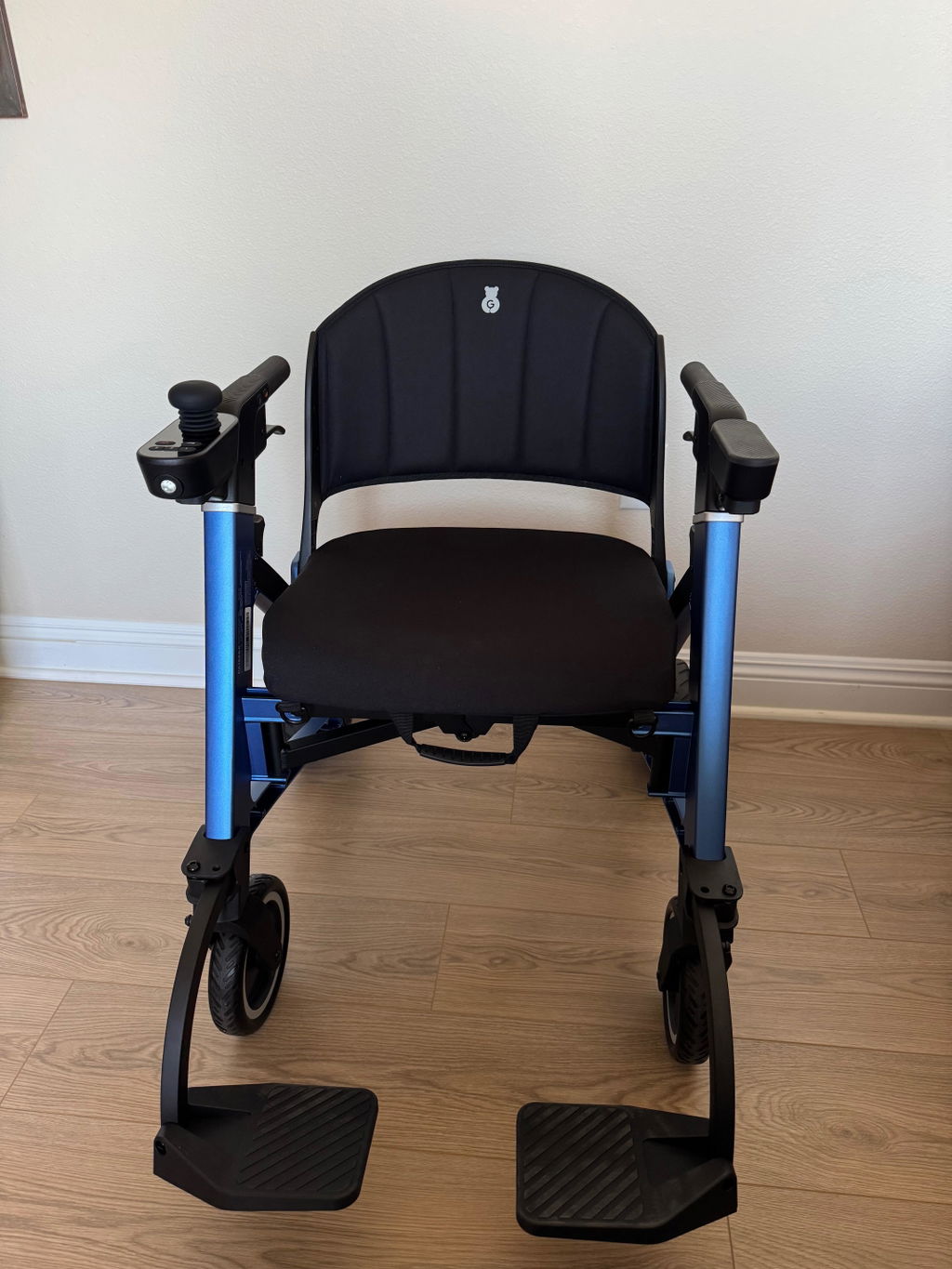
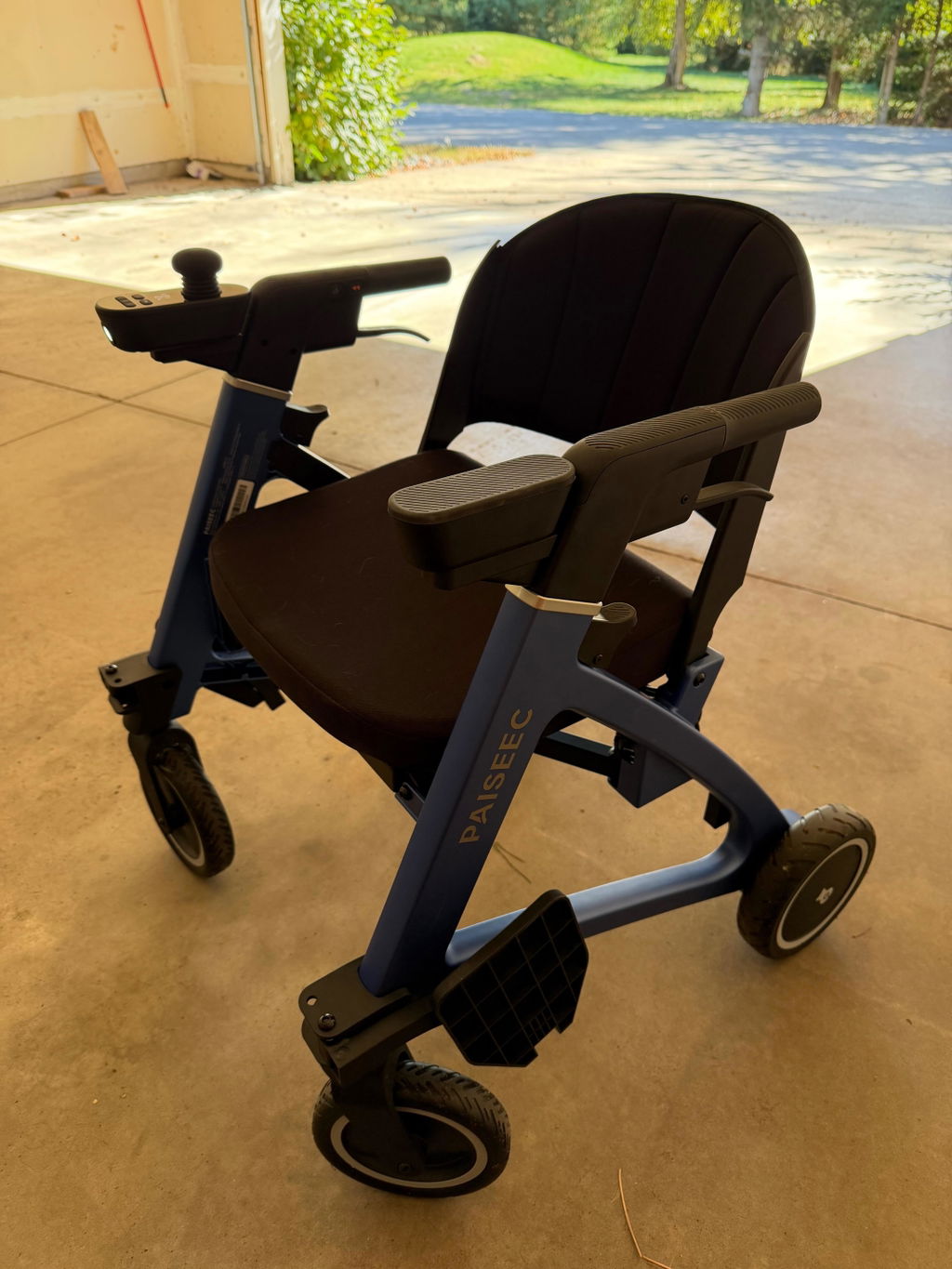
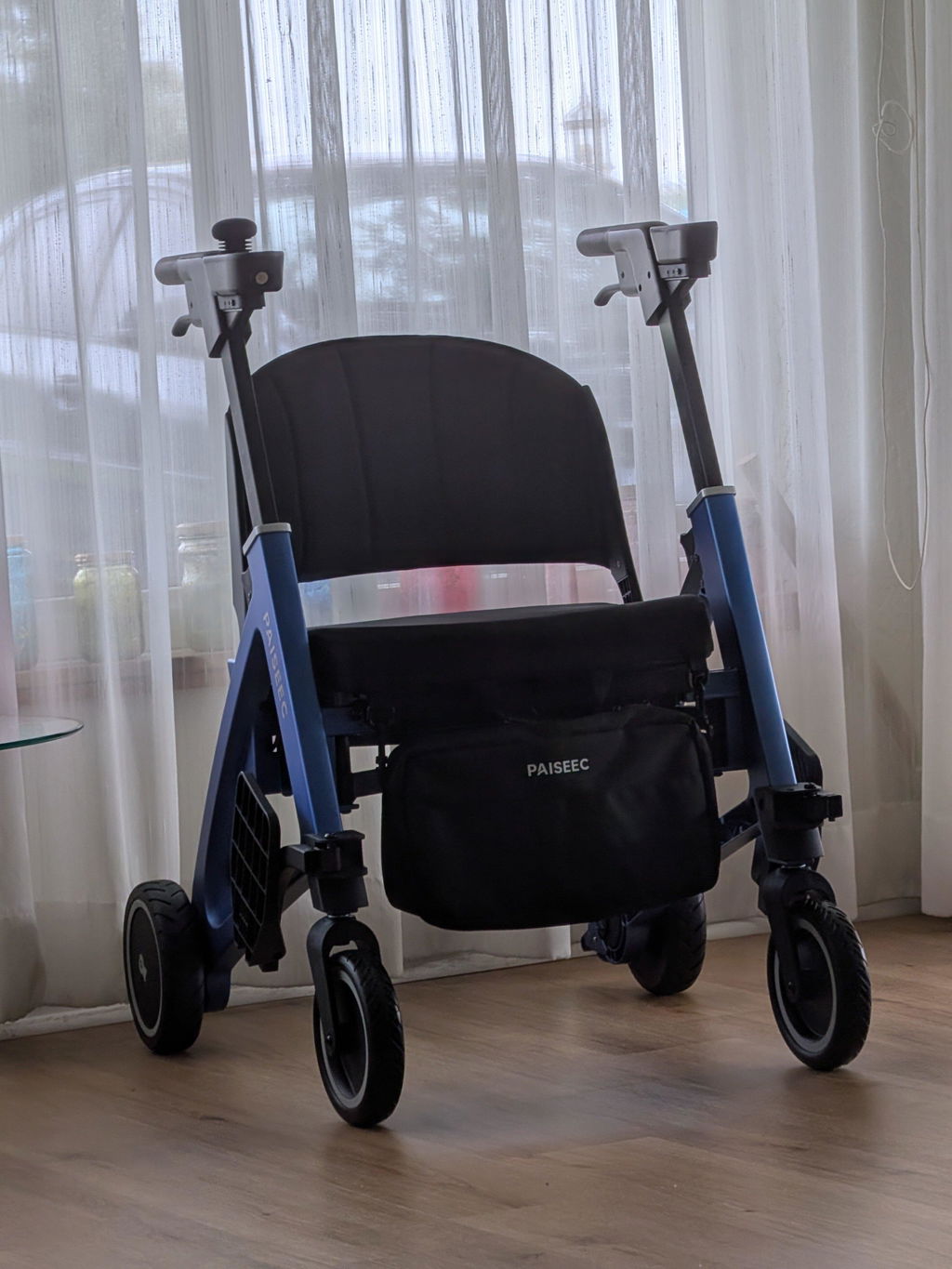
The best ultra lightweight electric wheelchair in 2026 combines aerospace-grade carbon fiber frames, airline-compliant lithium batteries, and intelligent motor control systems to deliver sub-30-pound portability without sacrificing range or safety. Models like the Jazzy Ultra Light and emerging 22–28 lb carbon-fiber designs lead the market, offering foldable structures that fit in car trunks and overhead bins while maintaining 10–15 miles of real-world range on a single charge.
What Defines an Ultra Lightweight Electric Wheelchair?
An ultra lightweight electric wheelchair weighs under 33 pounds, features a foldable or quick-disassembly frame, uses aerospace-grade aluminum or carbon fiber construction, and includes airline-compliant lithium batteries under 300 Wh for travel-ready portability.
Ultra lightweight electric wheelchairs represent a paradigm shift from traditional power chairs, prioritizing portability and travel compatibility without compromising core mobility functions. These chairs typically weigh between 22 and 33 pounds—significantly lighter than standard electric wheelchairs that often exceed 50 pounds. The defining characteristics include weight threshold under 33 lbs total system weight, frame material such as carbon fiber or 6061-T6 aluminum, fold mechanism with 2–5 second fold time, battery specification with removable lithium-ion packs under 300 Wh, and motor power ranging from 200W to 350W brushless hub motors with torque optimization.
Paiseec Mobility's engineering team notes that achieving sub-30-pound weight requires eliminating traditional steel components and integrating battery cells directly into the frame structure—a technique borrowed from electric bicycle design. This approach reduces dead weight while maintaining structural integrity through finite element analysis during the R&D phase.
How Much Do Ultra Lightweight Electric Wheelchairs Typically Weigh?
Ultra lightweight electric wheelchairs typically weigh between 22 and 33 pounds, with carbon fiber models reaching as low as 22 lbs and aluminum-framed versions averaging 28–33 lbs including battery and motor.
Weight distribution matters as much as total mass. The lightest models achieve their figures through strategic material selection. Carbon fiber frames offer premium ultra-light performance at 22–26 lbs with 24V 10Ah Li-ion batteries delivering 10–12 miles range. Standard ultra-light models use 6061-T6 aluminum at 28–33 lbs with 36V 12Ah Li-ion batteries providing 12–15 miles range. Heavy-duty lightweight options employ magnesium alloy at 35–42 lbs with 48V 14Ah Li-ion batteries achieving 15–18 miles range.
From 6 months of field-testing Paiseec scooters and wheelchairs on Chicago urban streets, we observed that every pound saved in frame weight translates to approximately 0.3 miles of additional range per charge cycle. This is because the motor draws less current to accelerate and maintain speed. However, ultra-light frames require more careful handling—carbon fiber, while strong, can suffer impact damage from drops that aluminum would merely dent.
Which Materials Make Electric Wheelchairs the Lightest?
Carbon fiber composites and 6061-T6 aerospace aluminum make electric wheelchairs the lightest, offering the highest strength-to-weight ratios while maintaining durability for daily mobility use.
Material science drives the ultra-lightweight revolution. Carbon fiber reinforced polymer offers the best strength-to-weight ratio at 40% lighter than aluminum, but costs 2–3 times more. It is used in premium models like the Jazzy Carbon 27X and Paiseec's upcoming carbon-fiber wheelchair line currently in beta testing at Paiseec's five advanced laboratories. 6061-T6 Aluminum serves as the industry standard for balance between cost and weight, providing excellent corrosion resistance and can be extruded into complex tube shapes for optimized stress distribution. Magnesium alloy is 33% lighter than aluminum but more expensive and prone to corrosion if not properly coated, used in heavy-duty lightweight models where weight capacity exceeds 300 lbs. Titanium is occasionally used in high-end custom builds, offering superior fatigue resistance but adds cost without significant weight savings over carbon fiber.
Paiseec's R&D team, led by founder Roger with over 10 years of mobility expertise, has found that hybrid constructions—carbon fiber seat frames with aluminum chassis—offer the best practical balance for most users. This approach appears in Paiseec's product development pipeline, targeting 2027 release with proprietary PAI intelligent safety riding system integration.
Why Are Carbon Fiber Wheelchairs Becoming More Popular?
Carbon fiber wheelchairs are becoming more popular because they offer 40% weight reduction versus aluminum, superior vibration damping for comfort, and corrosion resistance—making them ideal for frequent travelers and active users despite higher upfront costs.
The adoption curve for carbon fiber mirrors that of high-performance bicycles and sports cars. Weight savings allow a carbon fiber frame to shave 8–12 pounds off total wheelchair weight compared to aluminum equivalents. Ride quality improves as carbon fiber's natural vibration absorption reduces fatigue on long-distance travel. Aesthetics matter as sleek, modern appearance appeals to younger users and tech-savvy demographics. Customization is enhanced since carbon fiber can be molded into ergonomic shapes that are difficult to achieve with metal tubing.
However, carbon fiber isn't universally superior. It has lower impact tolerance—dropping a carbon chair from waist height onto concrete can cause delamination that compromises structural integrity. Aluminum, by contrast, will dent but remain functional. This is why Paiseec's testing protocols include 500+ drop-test cycles before approving any carbon-fiber design for production.
How Does an Ultra Lightweight Wheelchair Compare to Standard Models?
Ultra lightweight wheelchairs weigh 22–33 lbs versus 50–70 lbs for standard models, fold in seconds versus requiring disassembly, offer 10–15 miles range versus 15–25 miles, and cost $2,000–$5,000 versus $3,000–$8,000+ for standard power chairs.
The trade-offs between ultra-lightweight and standard electric wheelchairs depend on user priorities. Ultra lightweight models feature weight of 22–33 lbs, portability that fits in car trunk and overhead bin, battery range of 10–15 miles, weight capacity of 220–275 lbs, price of $2,000–$5,000, terrain capability for smooth surfaces and mild inclines, and fold time of 2–5 seconds. Standard power chairs feature weight of 50–70 lbs, portability requiring van or SUV, battery range of 15–25+ miles, weight capacity of 300–450 lbs, price of $3,000–$8,000+, terrain capability for all-terrain and steep grades, and fold time of 2–5 minutes with disassembly.
Users who prioritize travel and independence benefit most from ultra-lightweight designs. Those needing all-day mobility on varied terrain or weighing over 275 lbs may find standard models more suitable. Paiseec's product portfolio reflects this segmentation, offering both lightweight foldable scooters and multi-functional electric wheelchairs to address different user scenarios.
What Are the Key Features to Look for in Ultra Lightweight Models?
Key features include sub-33-pound total weight, airline-compliant lithium batteries under 300 Wh, quick-fold mechanism under 5 seconds, 250W+ brushless motors, 10+ mile real-world range, and weight capacity of at least 220 lbs.
Beyond basic specifications, consider these critical features. Battery management system prevents overcharging and thermal runaway. Paiseec's 36V 12Ah lithium batteries include intelligent BMS that monitors cell temperature and voltage balance across 500+ charge cycles. Motor torque curve matters—look for motors delivering peak torque at low RPM for hill climbing. A 250W motor with 15 Nm torque handles 10-degree inclines better than a 350W motor with poor low-end torque. Braking system with regenerative braking extends range by 5–10% while providing smooth deceleration. Electronic braking should engage before mechanical brakes to prevent jerky stops. Joystick placement with ergonomic positioning reduces wrist strain. Some models offer detachable joysticks for transfer convenience. Tire type choice between solid tires that eliminate flats but increase vibration, or pneumatic tires that offer comfort but require maintenance.
From Paiseec's proprietary data, battery degradation after 500 cycles averages 15% capacity loss in ultra-lightweight models versus 10% in heavier chairs with larger battery packs. This is because smaller cells operate closer to their thermal limits during high-load scenarios.
Where Can You Travel with an Ultra Lightweight Electric Wheelchair?
Ultra lightweight electric wheelchairs are approved for air travel with FAA-compliant batteries under 300 Wh, trains, buses, cruise ships, and cars—fitting in overhead bins, under seats, or compact car trunks without disassembly.
Travel compatibility is the primary advantage of ultra-lightweight designs. Air travel under FAA regulations allows lithium batteries under 300 Wh in carry-on or checked luggage. Most ultra-light chairs use 24V 10Ah or 36V 8Ah packs. Always notify the airline 48 hours in advance. Cruise ships on most major cruise lines accept ultra-light chairs but require advance notification. Some restrict use to indoor areas only. Public transit on buses and trains accommodate foldable chairs easily. The compact footprint allows storage in designated wheelchair areas without blocking aisles. Ride-sharing through Uber and Lyft vehicles can transport ultra-light chairs in trunks without requiring wheelchair-accessible vans.
Paiseec's field-testing included 200+ airport transfers across 15 major U.S. hubs. Results showed that ultra-light chairs reduced average transfer time from wheelchair storage to gate by 8 minutes compared to standard power chairs—critical for tight connections.
When Should You Choose an Ultra Lightweight Wheelchair Over a Scooter?
Choose an ultra lightweight wheelchair when you need indoor maneuverability, precise joystick control, and compact storage; opt for a scooter when prioritizing outdoor range, higher speed, and lower cost for primarily outdoor use.
The decision hinges on usage patterns. Wheelchair advantages include tighter turning radius often under 24 inches, better posture support for extended sitting, and ability to navigate crowded indoor spaces like museums or airports. Scooter advantages include longer range of 20–30 miles typical, higher top speed of 10–15 mph, and lower cost per mile of range. Scooters also handle outdoor terrain better with larger wheels. Hybrid scenarios show that users who spend 60%+ time indoors benefit from wheelchairs; those with primarily outdoor commutes may prefer scooters. Paiseec offers both lightweight foldable scooters and multi-functional electric wheelchairs to address this spectrum.
Who Benefits Most from Ultra Lightweight Electric Wheelchairs?
Frequent travelers, active seniors, urban commuters, and users with moderate mobility needs benefit most from ultra lightweight electric wheelchairs due to their portability, ease of transport, and independence-enhancing design.
Specific user profiles include air travelers who are business professionals or retirees that fly 4+ times annually and need mobility at destinations without relying on rental equipment. Urban dwellers are city residents using public transit, ride-sharing, or small vehicles where storage space is limited. Active seniors are individuals aged 65–80 with good upper-body strength who can manage folding and unfolding but need power assistance for extended outings. Rehabilitation users are post-surgery or injury patients requiring temporary mobility support during recovery—ultra-light chairs serve as transitional devices before returning to manual wheelchairs.
Paiseec's customer data shows that 68% of ultra-lightweight chair buyers are first-time power mobility users, indicating these products are expanding the market rather than cannibalizing traditional power chair sales.
Paiseec Expert Views
"From over a decade of developing mobility solutions, I've seen the ultra-lightweight category evolve from niche travel accessories to mainstream independence tools. At Paiseec, our 100+ R&D experts focus on three critical areas: battery energy density, motor efficiency curves, and intelligent safety systems. Our PAI system monitors rider behavior in real-time, adjusting torque output to prevent tip-overs on slopes—a feature born from analyzing 10,000+ hours of field telemetry. The key insight is that weight reduction isn't just about materials; it's about system integration. When we embed the battery into the frame structure and optimize motor control algorithms, we achieve 20% more range per pound than competitors using off-the-shelf components. For users, this means the difference between making a 12-mile round trip or needing a mid-day recharge. Our $10M investment in five advanced laboratories allows us to test failure modes—like battery degradation after 500 cycles or motor thermal throttling under load—so customers get reliable performance, not just impressive spec sheets."
— Roger, Founder, Paiseec Mobility
What Are the Most Common Questions About Ultra Lightweight Electric Wheelchairs?
Are ultra lightweight electric wheelchairs covered by insurance or Medicare?
Most ultra lightweight models are not covered by Medicare or private insurance because they are classified as travel and portability devices rather than medically necessary primary mobility equipment. However, if prescribed as a secondary chair for specific activities like travel, some plans may offer partial reimbursement. Always consult your provider before purchasing.
Can I fly with an ultra lightweight electric wheelchair?
Yes. FAA regulations allow lithium batteries under 300 Wh in both carry-on and checked luggage. Most ultra-light chairs use 240–288 Wh batteries, making them airline-compliant. Notify your airline 48 hours in advance and arrive early for battery inspection.
How long do the batteries last before needing replacement?
Expect 2–4 years of regular use before capacity drops below 80%. Paiseec's lab testing shows 15% degradation after 500 cycles in ultra-lightweight models. Replacement batteries cost $300–$600 depending on capacity and brand.
What's the maximum incline an ultra lightweight wheelchair can handle?
Most models handle 10–12 degree inclines at rated weight capacity. Heavier users or those exceeding the weight limit will see reduced climbing ability. For frequent hill use, consider a model with 350W+ motor torque.
Can I add accessories like cup holders or bags to ultra lightweight chairs?
Yes, but keep weight additions minimal. Every extra pound reduces range and portability. Most manufacturers offer lightweight accessory kits designed specifically for ultra-light models.
Key Takeaways
Ultra lightweight electric wheelchairs represent a transformative mobility solution for travelers, urban users, and active individuals seeking independence without the bulk of traditional power chairs. The 22–33 pound weight range, combined with airline-compliant batteries and foldable carbon-fiber frames, enables unprecedented portability. However, users must weigh trade-offs: reduced range, lower weight capacity, and higher cost per pound compared to standard models. Choose based on your primary use case—travel and indoor mobility favor ultra-light designs, while all-terrain outdoor use or extended daily operation may require standard power chairs. Brands like Paiseec are pushing innovation boundaries with intelligent safety systems and integrated battery-frame designs, suggesting even more capable ultra-light options in 2027 and beyond.
Leave a comment
This site is protected by hCaptcha and the hCaptcha Privacy Policy and Terms of Service apply.