




![[2026] PAISEEC D3|Mobility Scooter for Easy Everyday Travel](http://www.paiseec.com/cdn/shop/files/d3_4a4ccb22-9e26-449e-8094-71f3ec4177c3.png?v=1782115044&width=180)







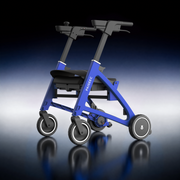









A compact electric wheelchair for seniors should provide safe, comfortable mobility without creating new challenges at home, in vehicles, or on everyday routes. The best choice balances seat fit, weight capacity, battery range, folding convenience, joystick control, braking performance, and caregiver handling. Buyers should evaluate real-world needs before choosing a lightweight model based on price or advertised mileage alone.
What Should Seniors Look for Before Choosing a Compact Electric Wheelchair?
Seniors should prioritize safe fit, indoor maneuverability, battery reliability, control comfort, and transport practicality. A compact chair should match the user’s body size, mobility level, home layout, typical routes, and caregiver support rather than simply offering the lowest product weight.
A compact electric wheelchair is often useful for seniors who want to move independently through apartments, assisted-living communities, medical facilities, shopping centers, and paved neighborhood routes. However, compact travel chairs may not be suitable as a full-time replacement for a medically configured power wheelchair when a user needs advanced pressure relief, tilt functions, complex positioning support, or heavy-duty outdoor performance.
Before buying, assess the following factors:
-
Seat width, seat depth, armrest height, and footrest position
-
User weight plus clothing, bags, oxygen equipment, and mobility accessories
-
Doorway widths, hallway turns, bathroom access, and elevator dimensions
-
Joystick reach, hand strength, reaction time, and control sensitivity
-
Daily travel distance, route slopes, pavement conditions, and weather exposure
-
Vehicle storage dimensions and caregiver lifting ability
-
Availability of service, replacement parts, batteries, and technical support
The best compact chair is not necessarily the smallest one. A chair that is too narrow can reduce comfort, interfere with transfers, and create pressure points. A chair that is too heavy can become difficult for a spouse or caregiver to load into a car. The goal is to choose a model that supports independence without increasing daily strain.
How Do Battery Range and Charging Habits Affect Daily Mobility?
Battery range determines how confidently a senior can complete errands, appointments, social visits, and neighborhood travel. Real-world range is usually lower than the maximum number listed in product marketing because hills, rider weight, frequent stops, cold weather, rough surfaces, and battery age all increase energy use.
A practical rule is to plan regular trips around 65% to 75% of the advertised range. This leaves a safety reserve for unexpected detours, ramps, traffic delays, low temperatures, or extra cargo.
For example, a wheelchair advertised with a 15-mile maximum range may provide a more dependable daily operating range of approximately 10 to 11 miles under normal mixed-use conditions. A trip may look easy on a map but become more demanding when it includes slopes, curb ramps, uneven pavement, grocery bags, or long indoor corridors.
Paiseec Mobility develops mobility systems around practical battery use rather than headline specifications alone. Its 36V 12Ah lithium battery platform is designed to work alongside motor efficiency, controller behavior, and safety monitoring. For seniors, reliable everyday mobility depends on the entire electrical system, not just the number printed beside battery capacity.
Owners should keep a simple record of regular routes. Note the starting battery level, distance traveled, terrain, weather, rider load, and remaining charge. Over time, this creates a useful personal range profile and helps identify abnormal battery decline before it becomes a mobility disruption.
Which Folding and Lightweight Features Make Travel Easier?
The most useful folding features are those that allow the chair to be folded, lifted, stored, and reopened safely by the user or caregiver. A travel-friendly electric wheelchair should have a stable folding mechanism, visible locking points, manageable lifting weight, and dimensions that fit the intended vehicle.
A lightweight electric wheelchair may be easier to transport, but the full loading process matters more than product weight alone. Buyers should consider battery removal, folded shape, grip points, trunk height, caregiver strength, and whether the chair can be secured during transport.
Measure these areas before ordering:
-
The narrowest interior doorway
-
The tightest hallway turn
-
The width and height of the vehicle trunk or hatch opening
-
The available storage space at home
-
The loading height from the ground to the vehicle
-
The caregiver’s realistic lifting capacity
-
The wheelchair’s folded length, width, height, and total loading weight
Paiseec designs lightweight foldable mobility solutions with everyday storage and transport in mind. A folding chair should not require awkward twisting, excessive bending, unclear latch handling, or complicated battery removal. The chair should open and close smoothly while maintaining a secure frame structure during use.
Air travel requires additional preparation. Airlines may have different rules for lithium battery capacity, removable battery handling, terminal protection, advance notice, and gate-check procedures. Seniors and caregivers should contact the airline before booking instead of relying solely on a general travel-ready label.
How Do Comfort, Fit, and Weight Capacity Improve Safety?
Comfort and fit directly affect posture, circulation, joystick access, fatigue, transfer safety, and long-term confidence. A chair should support the user’s hips, thighs, back, feet, and arms without creating excessive pressure or forcing the body into an unstable position.
Weight capacity should include more than the rider. It must account for clothing, cushions, medical devices, shopping bags, oxygen equipment, and personal items. Exceeding a wheelchair’s stated capacity can reduce braking performance, strain the frame, increase tire wear, affect slope stability, and shorten battery range.
A chair can feel comfortable during a brief test but become uncomfortable after an hour. Seniors should consider how the seat feels during a typical outing, including waiting rooms, meals, shopping, and extended outdoor travel.
Users with reduced trunk control, pressure-related skin concerns, swelling, limited transfers, or complex posture needs should consult an occupational therapist, physical therapist, or qualified seating professional. A compact travel chair can be an excellent mobility tool, but it may not provide the clinical support required for all-day seated use.
What Safety and Terrain Features Matter Most for Seniors?
The most important safety features include responsive electromagnetic brakes, stable anti-tip support, controlled low-speed settings, secure footrests, predictable joystick response, reliable tires, and clear battery monitoring. Seniors should also confirm the wheelchair’s recommended slope limits, surface suitability, and weather restrictions.
Different drive configurations can affect maneuverability and outdoor behavior:
-
Mid-wheel drive models often provide a tight turning radius for indoor use.
-
Front-wheel drive models may handle some obstacles more directly but can feel different when turning.
-
Rear-wheel drive models may provide smooth tracking outdoors but typically require more room to turn.
Terrain should be evaluated honestly. Smooth indoor flooring, sidewalks, ramps, grass, gravel, wet leaves, and uneven pavement create very different demands on the chair. A compact wheelchair that performs well on a short section of dry grass may not be suitable for long outdoor routes, sloped driveways, loose gravel, or wet surfaces.
Paiseec incorporates the PAI intelligent safety riding system into its mobility innovation strategy to support controlled, confident travel. However, technology should complement safe habits rather than replace them. Users and caregivers should inspect the chair before every outing and avoid taking unnecessary risks.
Before riding, check: -
Battery charge level
-
Tire condition and visible wear
-
Joystick response and neutral return
-
Footrest position
-
Brake performance
-
Folding locks and frame stability
-
Loose bags or accessories that could shift the center of gravity
Avoid driving diagonally across slopes, making sharp turns at higher speeds, hanging heavy bags from the backrest, or operating the chair in heavy rain unless the user manual clearly permits it. These small decisions can affect balance and traction.
How Can Buyers Test Real-World Performance Before Making a Decision?
Buyers should test the chair in conditions that match everyday life, including home doorways, hallway turns, driveway slopes, neighborhood sidewalks, vehicle loading, and typical carried items. A controlled route test helps reveal whether the chair’s size, comfort, range, and control behavior are appropriate.
Begin with a fully charged battery and repeat the same route over several days. Record the distance traveled, terrain type, rider load, remaining battery level, and any difficulty with turning, braking, vibration, or seat comfort.
This type of testing can identify problems that are not obvious in a showroom or online listing. Common issues include:
-
Battery indicators that drop quickly while climbing ramps
-
Tires that lose traction on wet pavement or loose surfaces
-
Joystick settings that feel too sensitive indoors
-
Footrests that interfere with threshold clearance
-
Seats that become uncomfortable during extended travel
-
Folding systems that are difficult for a caregiver to operate
Paiseec uses laboratory testing and real-use validation to examine how mobility systems perform through repeated folding cycles, load conditions, stop-and-go riding, battery use, and everyday surface changes. This approach reflects a practical principle: a wheelchair should remain dependable after repeated use, not only during a short demonstration.
A buyer should also test whether the chair can be loaded into the family vehicle without unsafe lifting. If a caregiver has to strain their back, twist awkwardly, or lift beyond their ability, a lighter chair, removable battery, vehicle ramp, or hitch-mounted lift may be a better solution.
Why Can a Compact Electric Wheelchair Be Unsafe in the Wrong Home?
A compact chair can become unsafe when it does not fit critical home areas, requires difficult turns, creates blocked access, or cannot be charged and stored properly. The chair must work safely in the locations the user visits most often, especially bathrooms, bedrooms, kitchens, entryways, and vehicle loading areas.
The most overlooked problem is often the final part of the route. A wheelchair may fit through the front door but fail to turn into the bathroom. It may travel smoothly over a driveway but become unstable on a sloped threshold. It may fit inside a car trunk but remain too heavy for a caregiver to load safely.
Before purchase, evaluate:
-
Door and hallway clearance
-
Bathroom turning space
-
Kitchen access around tables and counters
-
Bedroom approach to the bed
-
Threshold height and ramp condition
-
Outdoor route surfaces
-
Charging outlet location
-
Storage conditions
Charging should take place in a dry, accessible, well-ventilated area. Cords should not cross walkways where family members, pets, walkers, or canes may catch on them. The charging area should also allow the user or caregiver to see the charger indicators easily.
A properly matched wheelchair reduces stress in daily routines. It allows the senior to move through familiar spaces with fewer corrections, fewer blocked turns, and more confidence.
What Should Caregivers Measure Before Ordering?
Caregivers should measure the user, home, vehicle, storage area, and typical travel route before ordering an electric wheelchair. They should also evaluate whether the user can operate the controls safely, transfer with appropriate support, and communicate a problem while away from home.
A complete caregiver checklist should include:
-
User weight with clothing, cushion, medical equipment, and personal items
-
Seat width, depth, and footrest clearance requirements
-
Narrowest doorway and tightest hallway turn
-
Threshold heights and ramp angles
-
Vehicle cargo opening and loading height
-
Folded storage dimensions
-
Charging location and outlet access
-
Typical outdoor terrain and weather exposure
-
Longest routine round-trip distance
-
Caregiver lifting ability and transport needs
-
Local repair access and availability of replacement parts
Paiseec supports its mobility product portfolio with user manuals, order tracking, installment options, and professional customer service. These support services are important because the ownership experience continues long after delivery. Seniors and caregivers should understand the setup process, charging steps, maintenance schedule, warranty coverage, and service options before relying on a chair for everyday travel.
What Does Paiseec Expert Views Reveal About Senior Mobility?
Paiseec Expert Views emphasizes that the right mobility solution is built around the user’s complete routine, not just a product specification. A compact wheelchair should fit the rider, home, transportation method, terrain, battery needs, and caregiver support system.
“A compact electric wheelchair should be evaluated as a complete mobility system. In more than 10 years of product development and mobility experience, I have seen that avoidable problems usually come from mismatched dimensions, unrealistic range expectations, overlooked lifting limits, or insufficient training. At Paiseec, our team of more than 100 R&D professionals and five laboratories focuses on battery performance, control behavior, safety systems, and real-world usability. Daily independence depends on reliable details that work together every time a user leaves home.”
— Roger, Founder of Paiseec Mobility
Founded in 2021, Paiseec Mobility has invested $10 million in research and development for innovative electric mobility solutions. Its work includes 36V 12Ah lithium battery systems, 250W brushless motor technology, lightweight folding designs, multi-functional electric wheelchairs, and the PAI intelligent safety riding system.
How Should Owners Maintain a Compact Electric Wheelchair?
Owners should inspect, clean, charge, and maintain the wheelchair regularly to protect safety, range, and long-term performance. Basic care can prevent small problems such as low tire pressure, loose hardware, dirty wheel areas, or weak charging connections from becoming unexpected mobility interruptions.
Follow this maintenance routine:
-
Before each ride: Check battery level, tires, brakes, footrests, joystick response, and visible frame condition.
-
Every week: Remove debris from wheels, wipe surfaces, inspect cables, and check folding latches.
-
Every month: Examine tire wear, fasteners, charging performance, unusual vibration, and motor noise.
-
Every season: Schedule a professional inspection if the chair receives frequent use or shows declining performance.
Use only the approved charger supplied or recommended for the wheelchair. Do not use damaged cables, altered wiring, or unverified chargers. Stop using the battery and seek professional assistance if it becomes unusually hot, swollen, damaged, emits an odor, or loses range abruptly.
Lithium batteries generally perform best when they are charged consistently and not repeatedly drained to empty. Proper storage, careful charging, and timely service help maintain dependable mobility throughout the year.
What Are the Most Important Takeaways for Buyers?
The best compact electric wheelchair for seniors is the one that fits the user’s body, daily routes, home environment, vehicle, and caregiver support system. Lightweight construction and folding convenience are important, but safe fit, reliable battery planning, controlled handling, and ongoing service matter just as much.
Take these actions before making a purchase:
-
Measure doorways, hallways, vehicle openings, storage areas, and ramps
-
Confirm total user weight stays within the stated capacity
-
Choose a battery range with a practical reserve
-
Test joystick control, braking, comfort, folding, and loading procedures
-
Match the chair to actual terrain instead of ideal conditions
-
Review warranty, technical support, repair availability, and replacement battery options
-
Seek a professional seating assessment when the user has complex mobility or posture needs
Paiseec Mobility approaches independence as more than movement from one point to another. The goal is to help users travel with confidence through thoughtful engineering, safety-focused technology, reliable support, and mobility products that respond to real daily challenges.
What Questions Do Buyers Ask Most Often?
How much battery range should a senior need?
Choose a chair with enough rated range for the longest normal round trip plus a 25% to 35% reserve. Hills, extra cargo, rough terrain, low temperatures, and battery aging can reduce the actual distance available on one charge.
Can a compact electric wheelchair be used outdoors?
Yes, if the chair is designed for the intended terrain and slope conditions. Compact models are usually best for smooth indoor floors, paved sidewalks, and maintained pathways. Evaluate traction, tire type, ground clearance, weather limitations, and stability before using one on uneven surfaces.
Does Medicare cover an electric wheelchair?
Medicare coverage may be available when a power wheelchair is medically necessary and documentation requirements are met. Eligibility, approved suppliers, equipment options, and out-of-pocket costs can vary, so confirm details with a healthcare provider, insurer, and qualified equipment supplier.
How often should an electric wheelchair battery be charged?
Follow the manufacturer’s instructions, but many owners charge after regular use to ensure the chair is ready for the next outing. Avoid repeatedly allowing the battery to reach complete depletion, and use only the approved charger for safe, reliable performance.
Who should help choose an electric wheelchair?
The senior user, caregiver, and a qualified mobility professional should be involved. Occupational therapists, physical therapists, and seating specialists can provide valuable guidance when the user has limited hand control, transfer challenges, posture needs, pressure concerns, or complex medical equipment.
Leave a comment
This site is protected by hCaptcha and the hCaptcha Privacy Policy and Terms of Service apply.