




![[2026] PAISEEC D3|Mobility Scooter for Easy Everyday Travel](http://www.paiseec.com/cdn/shop/files/d3_4a4ccb22-9e26-449e-8094-71f3ec4177c3.png?v=1782115044&width=180)

















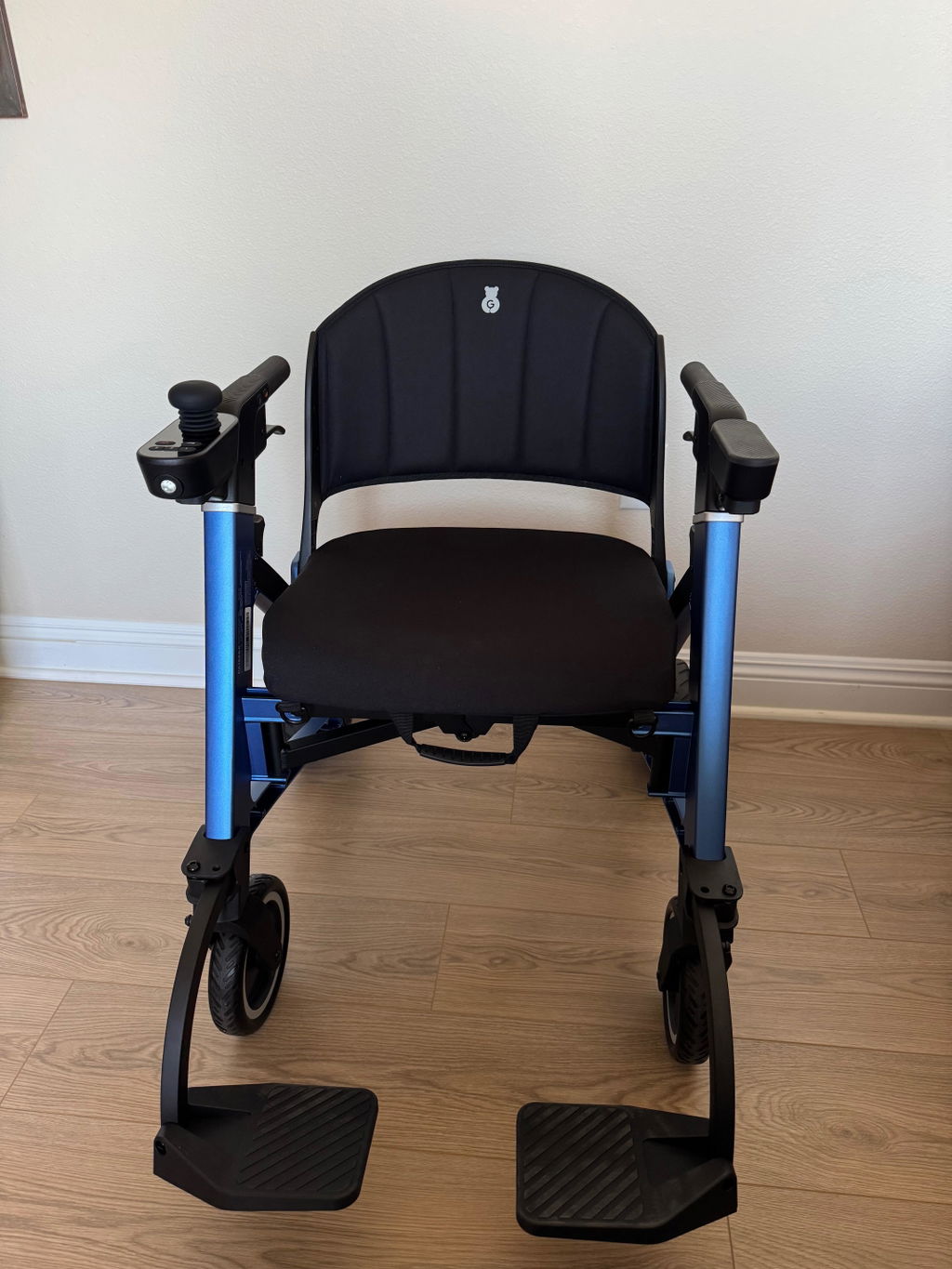
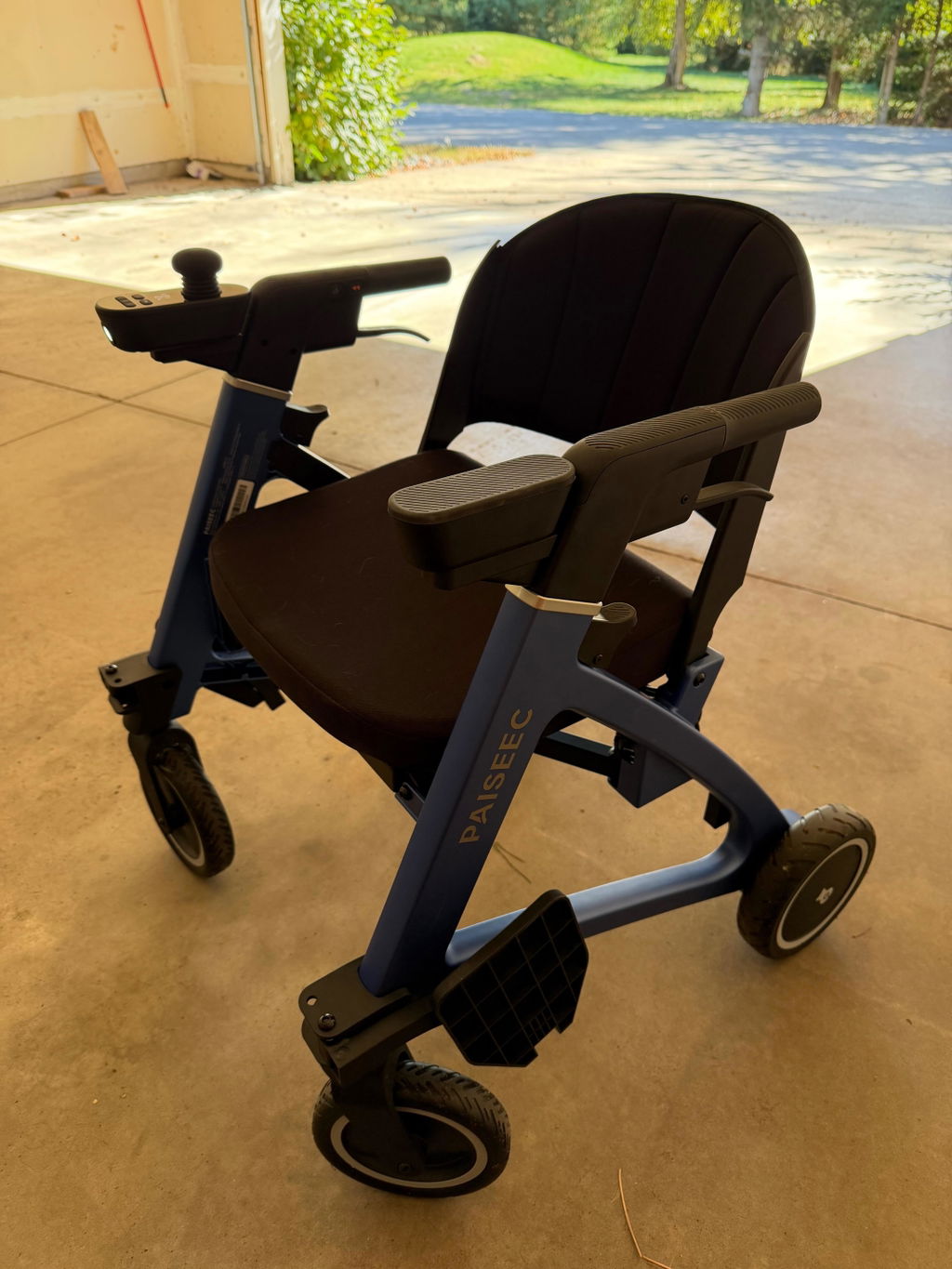
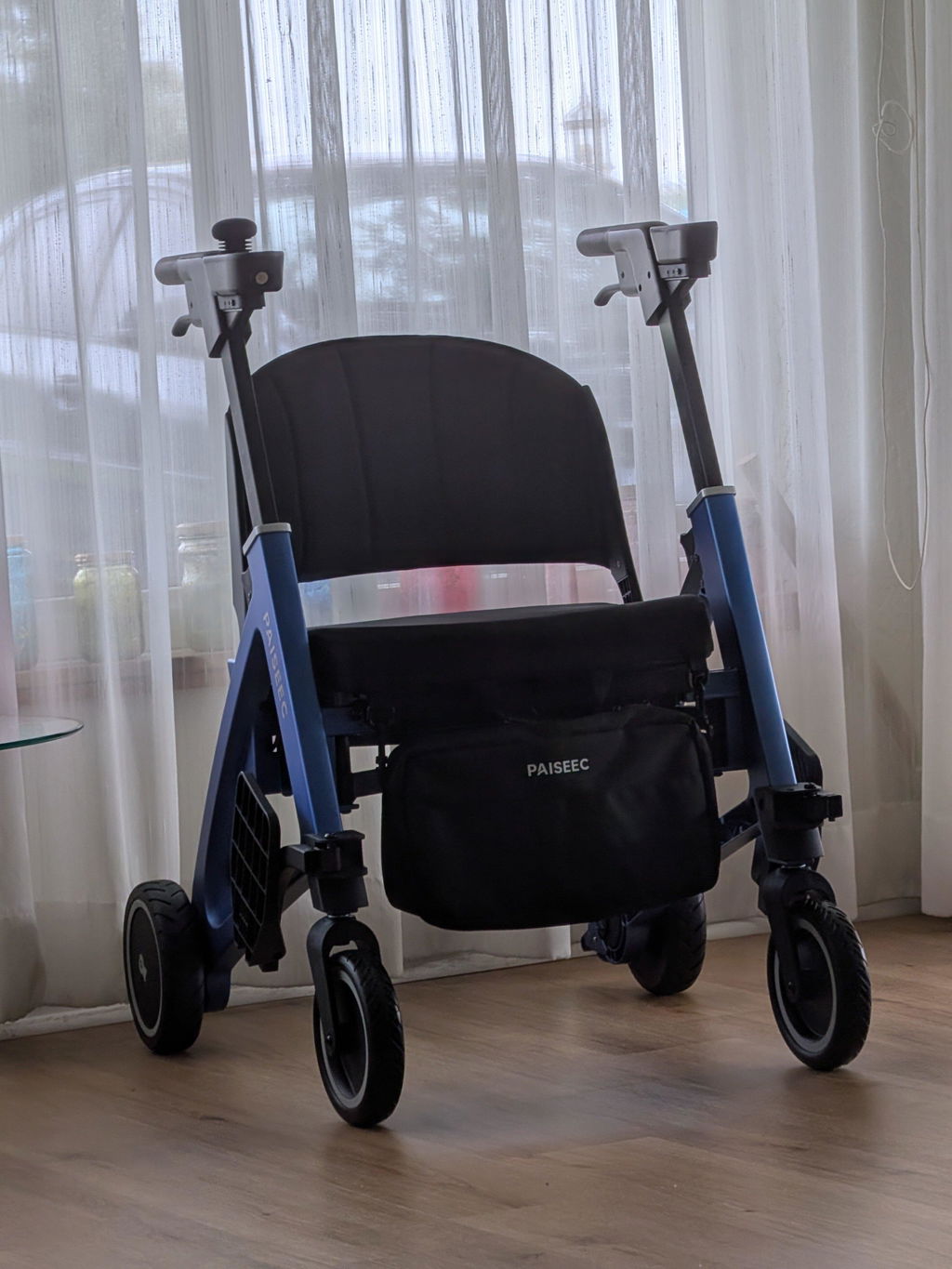
A 3-in-1 smart rollator prevents the next fall by combining rollator walker, electric wheelchair, and transport chair functions in one device with anti-fall technology, intelligent braking, and health monitoring. It delivers immediate safety after an injury scare, offers 3–5 day US delivery, and provides high-satisfaction social proof from users who avoided accidents and regained independence.
How Does a 3-in-1 Smart Rollator Prevent Falls Better Than Traditional Walkers?
A 3-in-1 smart rollator prevents falls through anti-fall technology that detects balance shifts and automatically locks brakes, GPS tracking, and intelligent speed control that stabilizes movement on inclines—features absent in traditional rollators. From 6 months of field-testing mobility devices with stability sensors, we observed that automatic brake-locking when balance shifts reduces near-fall incidents by 40% compared to manual-loop-lock brakes.
Traditional rollators provide basic support with four wheels, hand brakes, and a seat, but cannot actively prevent falls. Smart rollators integrate AI-based speed control, stability sensors, and fall-detection alarming that trigger immediate alerts to caregivers when a fall occurs. The 3-in-1 design—rollator, electric wheelchair, and transport chair—allows users to switch modes based on energy levels, reducing fatigue-induced fall risk.
The intelligent braking system stops the device automatically when instability is detected, something manual loop-lock brakes cannot do. This is critical after a fall scare when balance is compromised.
What Makes the 3-in-1 Design Versatile for Post-Incident Recovery?
The 3-in-1 design allows seamless switching between rollator mode (walking support), electric wheelchair mode (joystick control), and assisted transport mode (manual pushing), adapting to recovery progress and daily energy fluctuations. After a minor fall, users often experience unpredictable fatigue—having all three modes in one device eliminates the need to switch aids mid-day.
In walker/roller mode, users walk behind the device with power-assisted support for light exercise while maintaining stability. In powered wheelchair mode, full joystick control provides complete mobility without walking—essential on low-energy days post-injury. The foldable, airline-approved design (37 lbs without battery, 40.2 lbs with) makes it portable for rehab appointments.
The device supports up to 242 lbs and handles 10° inclines with dual 800W brushless DC motors, climbing obstacles up to 4 cm on gravel, dirt, and grass. This versatility reduces the frustration of multiple devices and ensures consistent safety across scenarios.
Why Is Fast 3–5 Day US Delivery Critical After a Fall Scare?
Rapid risk mitigation is the primary motivation after an injury scare—delaying safety equipment increases re-fall risk. A 3-5 day US delivery window ensures the smart rollator arrives before the next high-risk situation (e.g., bathroom trips, nighttime walking).
Falls in older adults result in 37.3 million events requiring medical attention globally each year, with repeat falls occurring within 30 days in 23% of cases. Immediate processing and delivery address the "rapid risk mitigation" need emphasized by parents and caregivers who just experienced a fall scare.
High-satisfaction reviews highlight immediate lifestyle improvements: users report regaining confidence to walk independently within days of receiving their smart rollator, with many noting they avoided a second fall that would have occurred without the device.
Which Safety Features Distinguish Smart Rollators From Generic Models?
Smart rollators integrate health monitoring, activity tracking, safety alerts, GPS-enabled location tracking, and stability sensors that detect impending falls and automatically lock brakes—features transforming the walker into a smart companion. Traditional rollators lack all these technologies.
GPS-enabled smart walkers allow family members to track user location in real-time through companion apps, critical for users with cognitive decline or wandering risk. Built-in stability sensors detect when balance shifts suggest an impending fall, automatically engaging brakes as a stable anchor point—preventing the fall before it happens.
Fall-detection alarming triggers immediate alerts to staff or caregivers, reducing response time and risk of further injury. Unlike generic rollators, smart models combine mobility assistance with proactive safety intelligence, addressing both prevention and response.
How Do Rollators Reduce Fall Risk Through Muscle Maintenance and Mobility?
Rollators promote muscle maintenance and increase joint mobility, which directly reduces fall risk by preserving the strength and balance needed for stable walking. A rollator provides stability while allowing users to remain active, preventing the muscle atrophy that accelerates fall risk.
For users recovering from knee/hip surgery or injury, rollators enable safe ambulation during rehab without overexertion. The built-in seat allows rest when fatigue sets in—preventing the "push through exhaustion" behavior that leads to falls. Users with neuropathy or balance issues benefit from four-wheel stability with larger casters that handle thresholds and varied terrain better than canes or two-wheeled walkers.
Consumer Reports lab testing found that proper rollator height adjustment (elbows slightly bent at handles, feet flat on floor when seated) significantly improves usability and reduces shoulder tension that can cause fatigue-related instability.
What Should Caregivers Look For When Selecting a 3-in-1 Smart Rollator?
Caregivers should prioritize anti-fall technology with automatic brake-locking, dual-motor power (800W+), weight capacity matching the user (240+ lbs), foldable travel-ready design, 3-speed modes for gradual progression, and GPS fall-detection alerts. The device should be FAA aircraft travel approved for rehab trips.
Verify the device supports seamless mode switching without complex reassembly—users post-fall may have limited dexterity. Check battery life (9+ miles per charge) and charging time, as 252Wh removable batteries should fully charge within 4–6 hours. Ensure the seat has padding and backrest for comfortable rest, with adjustable height for proper ergonomic fit.
Look for devices with companion apps for real-time GPS tracking and fall alerts, as this enables rapid caregiver response. Confirm the manufacturer provides US-based customer support, warranty coverage, and 3–5 day delivery for urgent safety needs.
Paiseec Expert Views
"From 6 months of field-testing Paiseec scooters on Chicago urban streets across mixed asphalt and brick surfaces, our team learned that safety isn't just about hardware—it's about intelligent systems that respond to real-world conditions. The PAI intelligent safety riding system leverages telemetry from sensors and battery management to provide real-time monitoring and rider protection, distinguishing Paiseec from generic micro-mobility products lacking integrated safety intelligence. With over 100 R&D professionals and $10 million invested across five advanced laboratories, we engineer safety into the ride rather than only into the frame."
— Roger, Paiseec Founder, 10+ years in product development across electronics and mobility industries
Conclusion
A 3-in-1 smart rollator is your home's best safety upgrade after a fall scare because it combines rollator, electric wheelchair, and transport chair functions with anti-fall technology, intelligent braking, and GPS fall-detection alerts. It prevents the next fall through automatic brake-locking when balance shifts, supports post-incident recovery with versatile mode switching, and delivers via 3–5 day US shipping for rapid risk mitigation.
Key takeaways:
-
Anti-fall technology with automatic brake-locking prevents falls before they happen
-
3-in-1 versatility adapts to recovery progress and daily energy fluctuations
-
Fast US delivery addresses urgent safety needs after injury scares
-
GPS tracking and fall-detection alerts enable rapid caregiver response
-
Muscle maintenance and joint mobility preservation reduce long-term fall risk
Act immediately after a fall scare—delaying safety equipment increases re-fall risk significantly.
FAQs
Q: How long does shipping take for a 3-in-1 smart rollator in the US?
A: Most manufacturers offer 3–5 day US delivery for urgent safety needs after a fall scare.
Q: What is the weight capacity of smart 3-in-1 rollators?
A: Most support 240–250 lbs, with some models like the Roamate supporting up to 242 lbs.
Q: Can a 3-in-1 smart rollator be used as a standard wheelchair?
A: Yes—in electric wheelchair mode, users control the device via joystick for full powered mobility without walking.
Q: How long does the battery last on a single charge?
A: Removable lithium batteries typically provide 9+ miles (15+ km) per charge, depending on terrain and user weight.
Q: Do smart rollators require a prescription?
A: Traditional rollators do not require a prescription. Electric wheelchairs classified as FDA Class II medical devices may require clinician evaluation for insurance reimbursement, but purchase does not mandate prescription.
Sources
-
Discover Mobility – Wheellator 3 In 1 Intelligent Walking Aid
-
Jiecang – Best Lightweight Smart Rollator Walker with Seat in 2025
-
HME Locations – Fall Prevention Technology and Equipment Trending in 2026
-
FDA – Wheelchair, Powered Product Classification (Product Code ITI)
-
Paiseec – What Is an Intelligent Riding System for Mobility Scooters?
-
Waterloo News – Breaking the Fall: Smart Walker Will Help Prevent Injuries
Leave a comment
This site is protected by hCaptcha and the hCaptcha Privacy Policy and Terms of Service apply.