









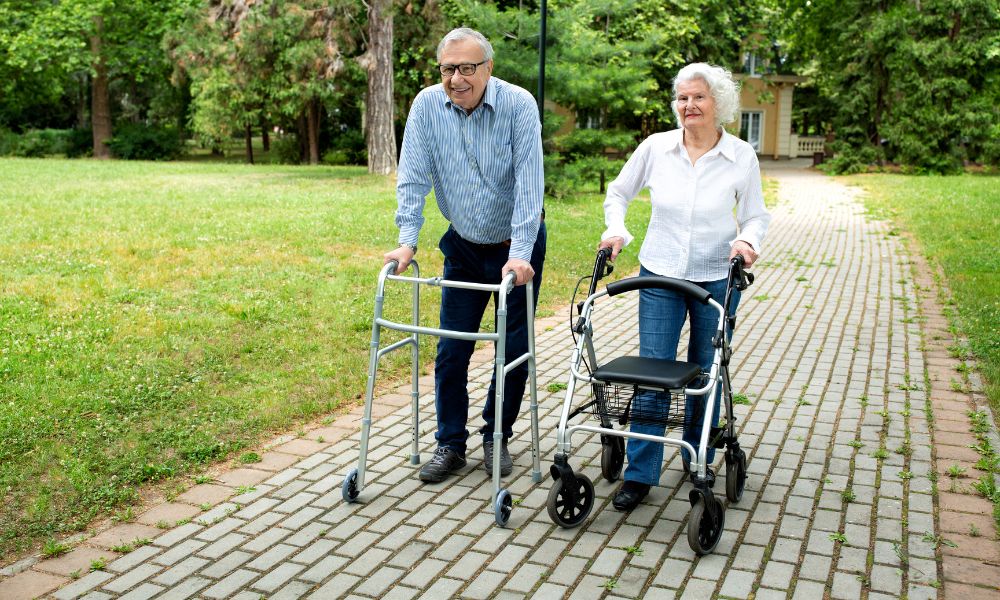
Mobility equipment serves millions of people who face walking challenges. Age-related balance issues affect over 15 million seniors annually. Post-surgical recovery often requires temporary walking support. Chronic conditions like arthritis impact joint stability during movement.
Medical professionals prescribe walking aids to prevent falls and maintain independence. Standard rehabilitation protocols include walker training after hip replacements. Physical therapy sessions frequently incorporate different types of walkers based on patient recovery stages.
Current market analysis shows that eight primary types of walkers dominate medical equipment sales. Each category addresses specific mobility limitations and user preferences.
What Are the 8 Different Types of Walkers?
Standard Walkers
Standard walkers have four legs with rubber tips. No wheels are attached. Users lift the whole frame to move forward. These types of walkers offer the most stability available.
Doctors recommend standard walkers after hip surgery or knee replacement. Balance problems benefit from this solid support. The frame stays put when weight is applied. This prevents falls and gives confidence to users.
Standard walkers work best inside homes. Smooth floors make lifting easier. Carpeted areas can be challenging. Upper body strength is required to lift repeatedly. Moving takes more time compared to wheeled options.

Front-Wheeled Walkers
Front-wheeled walkers have two wheels in front and rubber tips in back. Users push the walker forward instead of lifting. The back legs provide automatic braking when pressure is applied.
These types of walkers combine stability with easier movement. The wheels roll smoothly on most surfaces. Carpet and hardwood floors both work well. Less arm strength is needed compared to standard models.
Physical therapists often recommend front-wheeled walkers for arthritis patients. The pushing motion is gentler on joints. Balance support remains good due to the back legs. Indoor use is most common for this style.
Three-Wheel Walkers
Three-wheel walkers use one front wheel and two back wheels. The triangular shape makes turning very easy. Tight spaces and corners are no problem with these types of walkers.
The weight is lower than that of four-wheel models. The folding size is smaller for storage. Car trips become simpler with compact folding. Narrow hallways and small bathrooms work well with three-wheel designs.
Stability is less than four-wheel options. The narrow base requires careful use. Sharp turns should be done slowly. Users need a good balance to operate safely. Indoor shopping and home use are perfect applications.
Four-Wheel Walkers (Rollators)
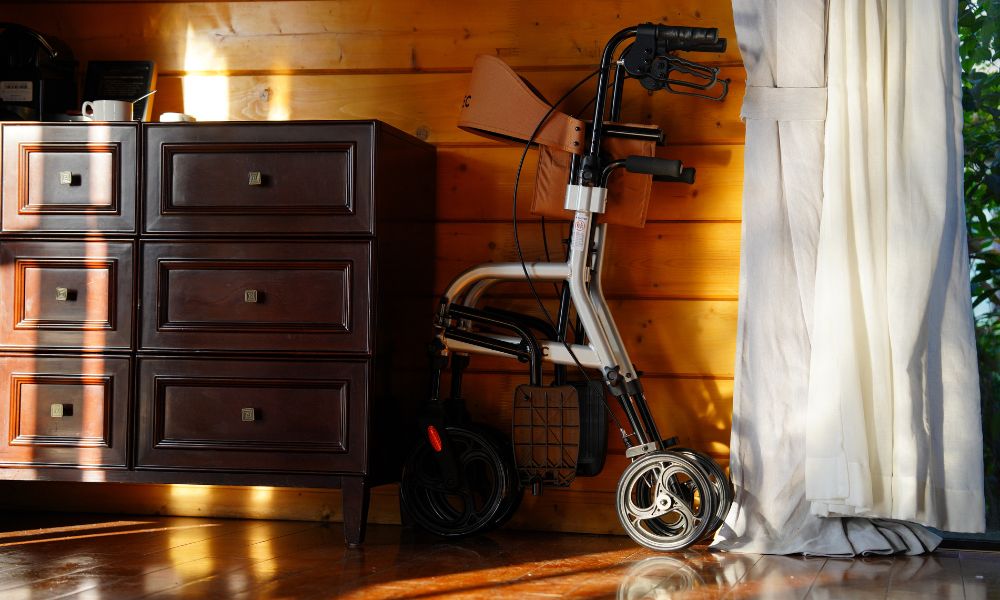
Four-wheel walkers are called rollators. Four wheels allow a natural walking speed. Hand brakes control stopping and speed. Most models include seats and storage baskets.
The rollator walker lets people walk normally. No lifting or dragging is required. Hand brakes work like bicycle brakes. Padded seats provide rest spots during longer walks.
Storage baskets carry groceries or personal items. Folding mechanisms work for car transport. The 4-wheel walker is suitable for both indoor and outdoor use. Active seniors prefer rollators for daily activities.

Bariatric Walkers
Bariatric walkers support more weight than standard models. Regular walkers hold 250-300 pounds. Bariatric versions support 400-600 pounds or higher. Wider frames accommodate larger body sizes.
Construction uses stronger materials throughout. Frame tubes are thicker. Connection points get extra reinforcement. Wider spacing between legs improves stability. These types of walkers come in standard, wheeled, and rollator styles.
Heavier construction makes bariatric walkers weigh more. Durability is excellent due to robust building. Safety ratings are higher for weight limits. Medical supply stores carry various bariatric options.
Pediatric Walkers
Pediatric walkers are sized for children and teens. Height adjusts as kids grow taller. Bright colors and fun designs appeal to young users. Safety features prevent tipping accidents.
Lighter materials make handling easier for children. Special supports help with posture development. Gait training features assist walking improvement. These types of walkers often include forearm platforms.
Therapists recommend specific models based on diagnosis. Cerebral palsy patients use different features than spina bifida patients. Growth adjustments save money over time. Insurance often covers pediatric mobility equipment.
Specialty Walkers
Specialty walkers address unique medical needs. Standard designs cannot help certain conditions. Custom features solve specific problems. These types of walkers require professional recommendations.
Hemi-walkers work for stroke patients with one arm weakness. Platform walkers help arthritis sufferers who cannot grip handles. Knee walkers keep weight off injured feet or ankles. Upright walkers assist people with back problems.
Each specialty type targets particular disabilities. Occupational therapists usually prescribe these models. Custom fitting ensures proper function. Insurance coverage varies for specialty equipment.
Electronic Walkers
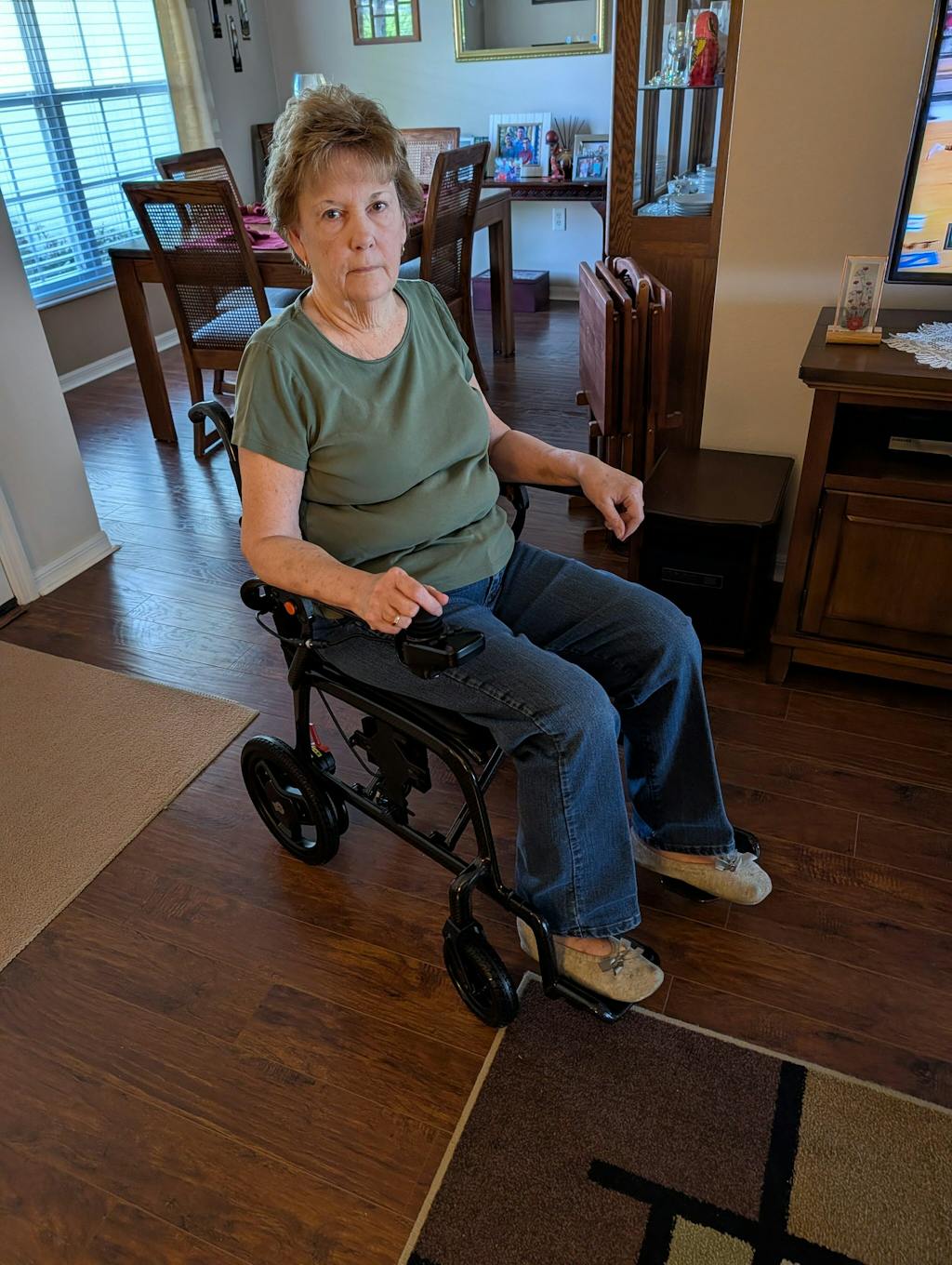
Electronic walkers include high-tech features. Motors can assist with walking. GPS tracking helps locate users. Smartphone apps connect to the devices. These types of walkers represent the newest technology.
Fall detection sensors alert caregivers automatically. Medication reminders sound at scheduled times. Vital sign monitoring tracks health data. Some models include LED lights for evening use.
Costs are much higher than those of basic walkers. Battery charging is required daily. Technology features appeal to tech-savvy users. Family members can monitor remotely through apps.
How to Choose the Right Type of Walker?
Physical abilities determine which types of walkers work best. Arm strength affects the choice between standard and wheeled models. Balance problems favor wider, more stable designs. Grip strength issues require special handle types.
-
Home layout influences walker selection. Narrow hallways need compact models. Stairs require lightweight, foldable designs. Outdoor use demands sturdy construction with larger wheels. Apartment living favors smaller, quieter options.
-
Medical conditions guide walker recommendations. Recent surgery patients start with standard walkers. Arthritis sufferers need ergonomic features. Heart conditions benefit from walkers with seats. Neurological problems may require specialty designs.
-
Budget affects walker choices significantly. Basic standard walkers cost under $50. Premium rollators reach $300 or more. Electronic models cost even more. Insurance coverage varies by walker type and medical necessity.
-
Healthcare professionals provide valuable guidance. Physical therapists assess individual capabilities. They recommend suitable types of walkers based on testing. Occupational therapists teach proper usage techniques. Medical equipment dealers offer trials before purchase.
-
Activity levels matter for walker selection. Sedentary users need basic stability. Active people prefer rollators with seats and storage. Social activities require attractive, functional designs. Exercise routines may need specific walker features.
FAQ
What Are the 8 Different Types of Walkers and Which One Is Right for You
The 8 common types of walkers include standard walkers, two wheel walkers, three wheel rollators, four wheel rollators, knee walkers, hemi walkers, upright walkers, and bariatric walkers. The right choice depends on balance level, mobility needs, and daily environment. People needing maximum stability often choose standard walkers, while active users prefer rollators.
How Do You Choose Between a Standard Walker and a Rollator
Choose a standard walker if you need maximum stability and support for balance issues. A rollator walker is better for users who can walk steadily but need help with endurance and mobility. Rollators typically include wheels, brakes, and seats, making them ideal for longer distances and outdoor use.
Which Type of Walker Is Best for Seniors with Balance Problems
For seniors with serious balance issues, a standard walker without wheels is usually the safest option. It offers maximum stability and weight support. Some users may also benefit from two wheel walkers, which provide slightly easier movement while maintaining strong support.
What Is the Difference Between 3 Wheel and 4 Wheel Rollators
A 3 wheel rollator is lighter and easier to maneuver in tight indoor spaces. A 4 wheel rollator offers better stability, balance support, and often includes a seat for resting. People who prioritize stability and outdoor walking usually choose the four wheel design.
Are Lightweight Walkers Better for Daily Use and Travel
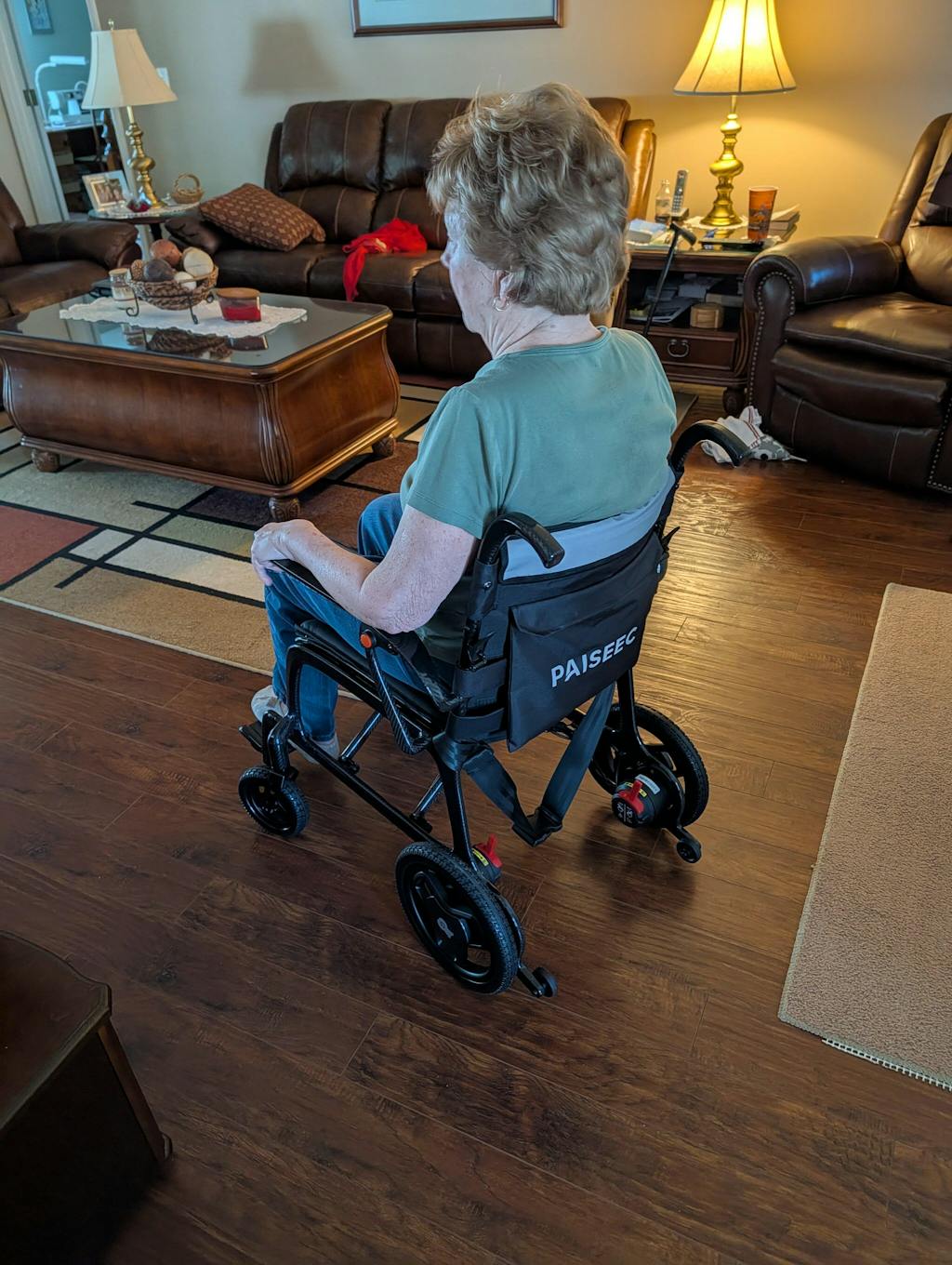
Yes, lightweight walkers are easier to lift, transport, and store. They are ideal for travel, shopping, and everyday mobility. Many modern designs fold quickly and fit in car trunks. Brands like Paiseec focus on lightweight engineering to improve portability without sacrificing stability.
What Features Should You Look for When Buying a Walker
Look for adjustable height, ergonomic handles, strong brakes, foldable frames, and durable wheels. Comfort and stability should always be the top priorities. If you plan to travel frequently, choose a lightweight and compact design. Some modern mobility brands such as Paiseec also focus on advanced safety features.
How Do You Know If You Need a Walker with Wheels or Without
If you have significant balance issues, a walker without wheels provides the most stability. If you can walk but struggle with endurance or speed, a walker with wheels allows smoother movement and less lifting. The choice depends on your strength, balance, and walking environment.
Which Walker Type Offers the Best Stability and Safety
The standard walker without wheels provides the highest level of stability and safety. It requires lifting with each step, which prevents unintended movement. This design is ideal for users recovering from surgery, injuries, or severe mobility limitations who need strong support.
Related Reading:
Types of Scooters: A Comprehensive Guide


Leave a comment
This site is protected by hCaptcha and the hCaptcha Privacy Policy and Terms of Service apply.