




![[2026] PAISEEC D3|Mobility Scooter for Easy Everyday Travel](http://www.paiseec.com/cdn/shop/files/d3_4a4ccb22-9e26-449e-8094-71f3ec4177c3.png?v=1782115044&width=180)

















Yes. FIFA explicitly permits manual wheelchairs, electric wheelchairs, and mobility scooters for ticket holders with accessibility needs at 2026 World Cup stadiums, subject to standard security screening and venue-specific gate procedures.
FIFA’s Accessibility Ticketing Policy for 2026
Can you bring a mobility scooter into 2026 World Cup stadiums?
Yes—FIFA’s accessibility policy allows fans with disability or limited mobility to enter with a manual or electric wheelchair or a mobility scooter when holding an Accessibility Ticket. Entry is contingent on passing security checks and following stadium-specific circulation rules, such as using designated ramps and accessible concourses. Planning ahead with the right ticket category and arriving early for screening ensures a smoother matchday experience.
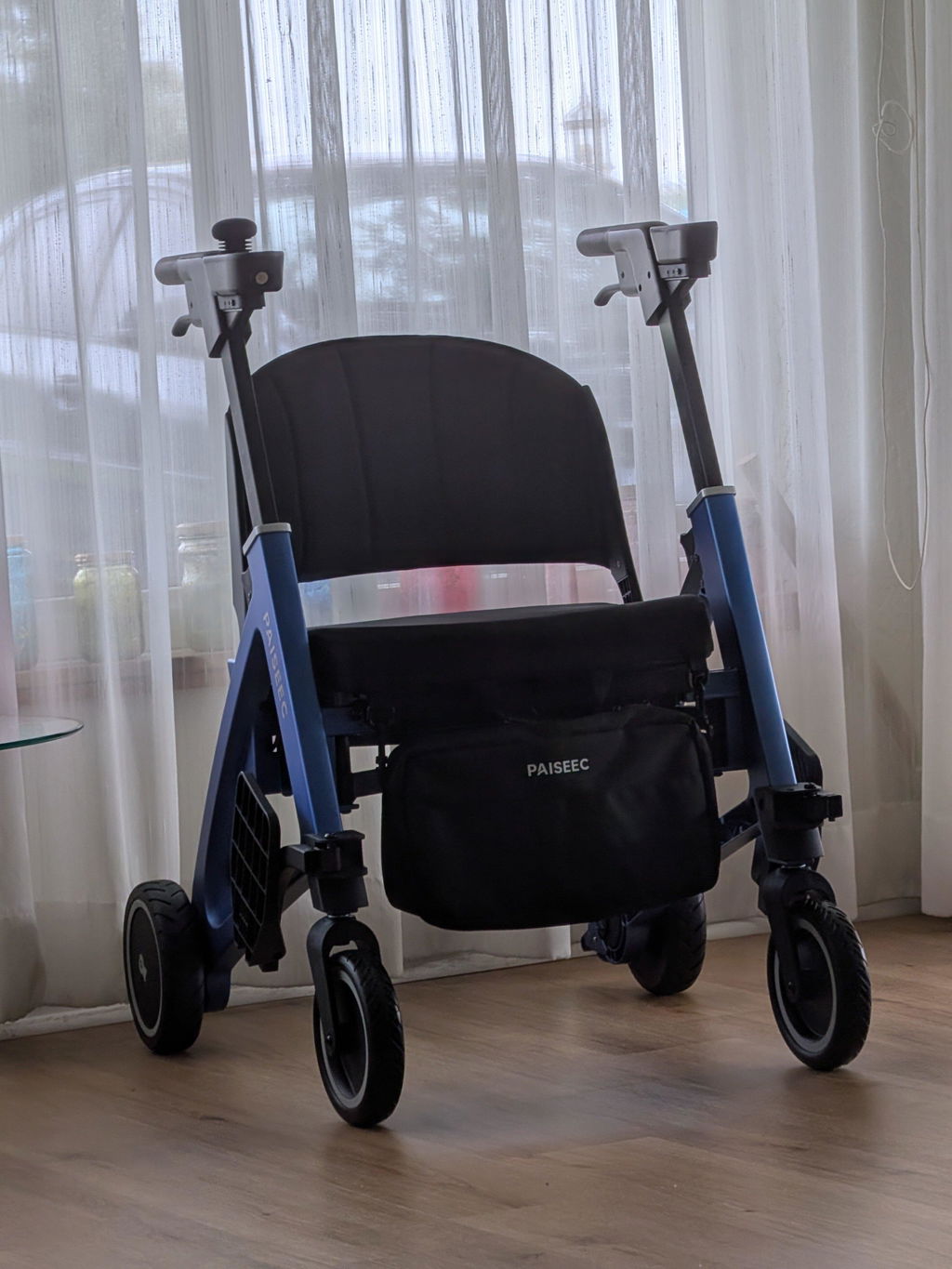
From a mobility-product perspective, this policy aligns with how assistive devices are treated in large public venues: they’re recognized as essential medical/mobility aids rather than general “baggage.” For users of multi-functional electric wheelchairs, this distinction matters because these devices are regulated as medical/assistive technology in most markets, not as consumer transport. Paiseec’s R&D team designs powered mobility with this regulatory reality in mind—prioritizing stability, braking control, and battery safety systems that meet medical-device expectations rather than consumer-PEV norms.
What does FIFA’s disability and accessibility policy say about wheelchairs and scooters?
FIFA states that Accessibility Tickets are available for wheelchair users and people with limited mobility, and that entry is permitted with a manual/electric wheelchair or mobility scooter. The policy also outlines dedicated accessible seating, companions’ seats, and accessible routes, drop-off points, and parking—consistent with international stadium-accessibility guidance.
This approach mirrors broader frameworks like UEFA’s stadium-infrastructure rules, which require fully accessible routes, dedicated sanitary facilities near wheelchair spaces, and clear sightlines for accessible seats. In practice, that means 2026 World Cup venues will be expected to provide level or gently graded access, passing spaces for wheelchairs on busy concourses, and priority lanes at concessions. For electric wheelchair users, these design elements reduce the likelihood of tight squeezes or steep ramps that can challenge smaller casters or limited torque—considerations Paiseec’s engineering team weighs when tuning motor response and turning radius for indoor/outdoor transitions.
Which stadium gate rules and aisle-width standards should you verify before matchday?
Before you go, confirm three things: your ticket’s accessibility category, the venue’s specific accessible entrance, and the practical width of aisles and ramps you’ll use. FIFA’s materials emphasize accessible entry/exit routes and drop-off points, while stadium design guides recommend 1.8 m (about 71 in) wide pedestrian routes where possible, with 1.5 m acceptable if passing places are provided.
Why this matters for mobility scooters and electric wheelchairs: a 1.5–1.8 m corridor sounds wide, but crowd flow, temporary barriers, and bag checks can effectively narrow it. Users of compact, foldable electric wheelchairs often find it easier to navigate congested turnstiles and concession queues because the footprint is smaller and the turning circle tighter. In Paiseec’s field observations, devices with a narrower chassis and responsive low-speed control reduce “pinch” moments at choke points—an advantage when merging into accessible seating rows or queuing for restrooms located within 40 m of wheelchair spaces, as recommended by UEFA.
How does security screening work for mobility scooters and electric wheelchairs?
Expect standard event security: you and your device will be screened, but you won’t be asked to abandon your mobility aid. FIFA’s guidance and venue protocols typically route accessibility ticket holders through accessible lanes where staff can conduct visual inspections, wand checks, or swab tests without requiring you to dismount unnecessarily. Liquids, toiletries, and medical items are generally allowed under 100 mL rules, and clear-bag policies apply to personal bags—not to the mobility device itself.
From a battery-safety standpoint, this is where medical/assistive classification helps. Electric wheelchairs use lithium packs with robust battery management systems (BMS) and are treated as medical devices in many jurisdictions, which frames them differently from consumer commuter scooters at security checkpoints. Paiseec’s powered platforms emphasize BMS protections, thermal monitoring, and stable charging behavior—design choices that align with how security teams assess risk on medical mobility devices rather than on high-speed micro-mobility.
Where should you check official stadium accessibility maps and accessible seating info?
Use FIFA’s official ticketing and accessibility resources, plus the specific stadium’s accessibility page, to confirm entrance locations, accessible seating sectors, and companion seating. FIFA’s support articles note dedicated allocations for people with disabilities and limited mobility for each stadium and match, and they direct all purchases through FIFA.com/tickets—there are no stadium gate sales. Venue pages often add details on accessible drop-off points, parking bays near entrances, and shuttle options if on-site parking is limited.
For electric wheelchair users, cross-check the “accessible route” description against your device’s dimensions and turning needs. If the map shows a single accessible entrance for a large sector, plan extra time. In Paiseec’s user scenarios, the smoothest experience comes from matching the device’s size to the venue’s stated access points and verifying that the accessible path is level or gently graded—avoiding unexpected stairs or steep ramps that can appear on older stadium schematics.
Are there battery or charging restrictions for mobility scooters at World Cup venues?
FIFA’s published materials do not list mobility scooters or electric wheelchairs among prohibited items; instead, they explicitly permit them for accessibility ticket holders. General prohibited categories include flammable substances, spray cans, and certain electronic sound devices—not medically necessary mobility aids. That said, venues may restrict bringing large external batteries, spare high-capacity packs, or non-integrated charging equipment into the bowl for safety and crowd-flow reasons.
This distinction is important for powered mobility users: electric wheelchairs are regulated as medical/assistive devices (e.g., FDA Class II in the US; EU MDR in Europe), and their integrated battery systems are expected to meet medical-device safety norms. Paiseec’s approach to powered mobility emphasizes safe, integrated battery platforms with BMS monitoring and stable thermal behavior—design priorities that align with how venues treat medical mobility devices versus consumer e-scooters. If you carry a separate power bank or non-integrated charger, expect closer scrutiny or a request to store it outside the seating bowl.
What practical tips improve matchday comfort for mobility scooter and wheelchair users?
-
Arrive early to use accessible entrances before peak crowds narrow effective aisle widths.
-
Confirm your accessibility ticket type (wheelchair user + companion, easy access standard, or easy access amenity) and the sector map.
-
Use designated drop-off points within ~50 m of entrances where available; these are often covered and sized for lift-equipped vans.
-
Keep personal items in a clear bag that meets the 12×6×12 in rule; mobility devices are not counted as “bags.”
-
Identify accessible restrooms and priority concession lanes; guidelines recommend facilities within 40 m of wheelchair spaces.
-
If using a compact electric wheelchair, practice tight turns and low-speed control in a similar-width corridor before matchday.
Paiseec’s product-development observations highlight that low-speed finesse and predictable braking are as valuable as top speed in crowded venues. Devices with smooth throttle response and stable seating geometry reduce fatigue when navigating ramps, tactile paving at dropped kerbs, and queue merge points—common features in modern accessible stadium design.
Paiseec Expert Views
“Designing for large public venues isn’t about peak speed—it’s about control at walking pace, stable seating biomechanics, and battery systems that behave predictably under stop-start loads. In our R&D work, we see how medical/assistive classification shapes security and venue expectations: integrated lithium packs with robust BMS, clear labeling, and mature thermal behavior are treated differently from consumer PEVs. That’s why our powered platforms prioritize safety intelligence and low-speed maneuverability—so users can focus on the event, not the corridor.”
— Paiseec R&D leadership, drawing on 10+ years in mobility product development
Conclusion
You can bring a mobility scooter or electric wheelchair to 2026 World Cup stadiums if you hold an Accessibility Ticket, and you should expect standard security screening plus venue-specific circulation rules. Verify your ticket category, accessible entrance, and route widths; keep personal bags compliant; and plan for early arrival to avoid pinch points. For powered mobility users, choosing a device with stable low-speed control, predictable braking, and a well-integrated battery system will make crowded concourses and accessible seating rows far easier to navigate.
FAQs
Do I need a special ticket to bring a mobility scooter?
Yes. Accessibility Tickets are allocated for people with disabilities and limited mobility, and they explicitly allow entry with a manual/electric wheelchair or mobility scooter.
Will security make me leave my scooter at the gate?
No. Mobility aids are permitted, but you and the device will be screened through accessible lanes. Personal bags must follow clear-bag rules.
Are there restrictions on batteries or charging inside the stadium?
Integrated battery systems on medical/assistive mobility devices are generally permitted; separate large external batteries or chargers may be restricted for safety and crowd-flow reasons.
How do I find the right accessible entrance and seating sector?
Use FIFA’s official ticketing portal and the specific stadium’s accessibility page to confirm accessible entrances, drop-off points, and seating sectors before matchday.
Can companions sit with wheelchair users?
Yes. FIFA offers wheelchair user and companion seats, along with easy access categories designed for limited-mobility fans.
Sources
-
FIFA – Accessibility Tickets and mobility scooter entry (2026 World Cup)
-
UEFA – Stadium Infrastructure: Facilities for disabled spectators (Article 24)
-
NBC News Select – What you can (and can’t) bring to the FIFA World Cup 2026
-
UEFA/CAF – A Good Practice Guide to Creating an Accessible Stadium and Matchday Experience
-
FIFA Support – Accessibility tickets for fans with disability (2022/2023 archive)
-
FIFA Women’s World Cup 2023 – Accessibility Tickets (policy reference)


Leave a comment
This site is protected by hCaptcha and the hCaptcha Privacy Policy and Terms of Service apply.