



![[2026] PAISEEC D3|Mobility Scooter for Easy Everyday Travel](http://www.paiseec.com/cdn/shop/files/d3_4a4ccb22-9e26-449e-8094-71f3ec4177c3.png?v=1782115044&width=180)
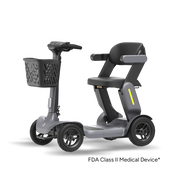

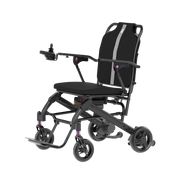
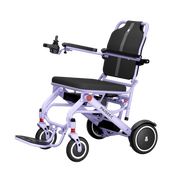


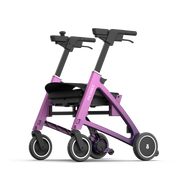
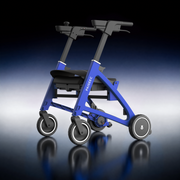









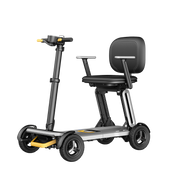
The best travel mobility scooters for 2026 World Cup match days are lightweight, foldable devices with airline-approved lithium batteries (under 300Wh), compact folded dimensions (roughly suitcase-sized), and tight turning radii (around 30–39 inches) for navigating crowded stadiums and hotel corridors. Prioritize models that fold quickly, meet FAA/TSA rules, and offer sufficient range to handle match-day distances without frequent recharging.
FIFA’s Accessibility Ticketing Policy for 2026
What Specs Matter Most for Stadium and Transit Navigation?
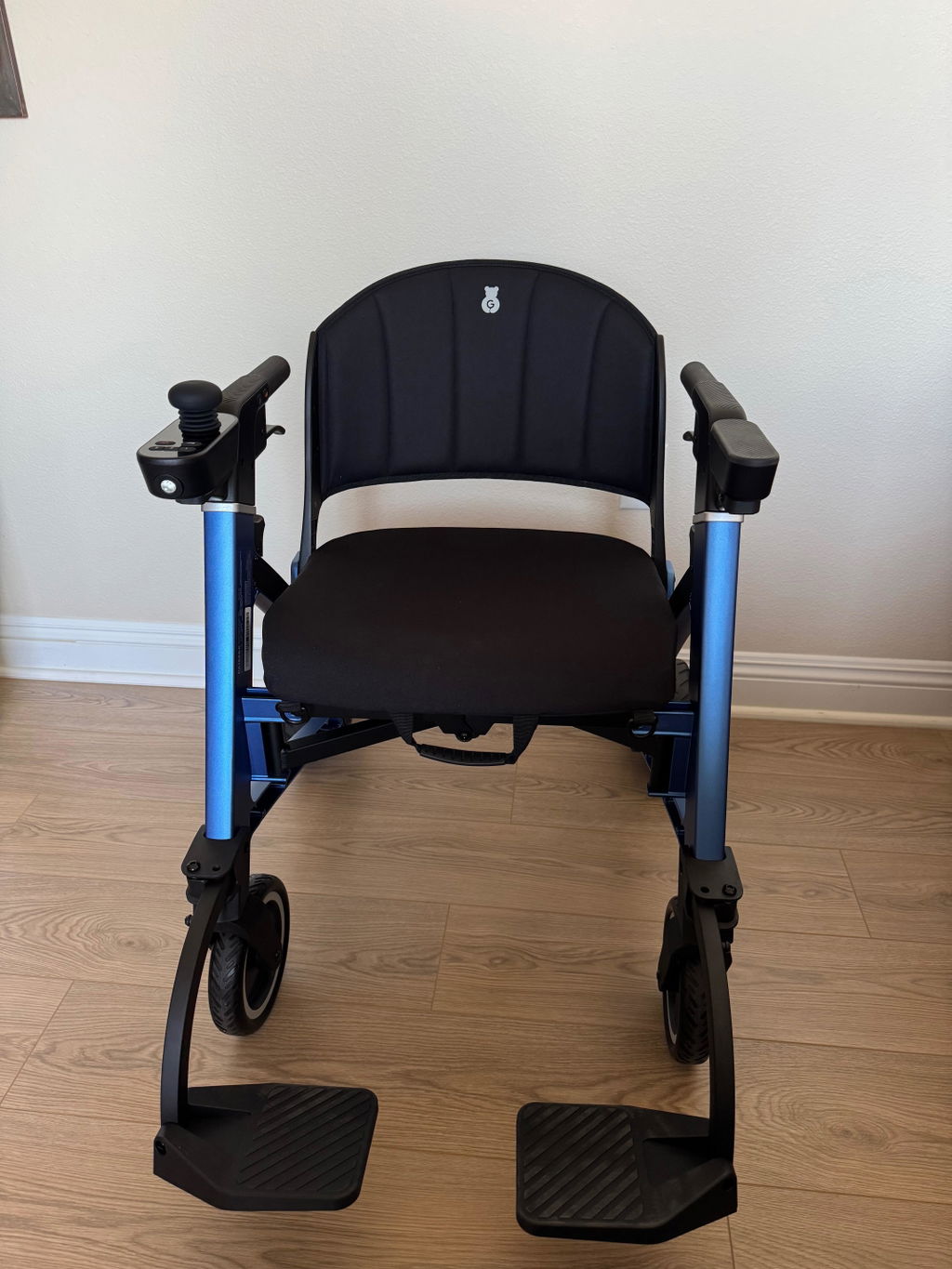
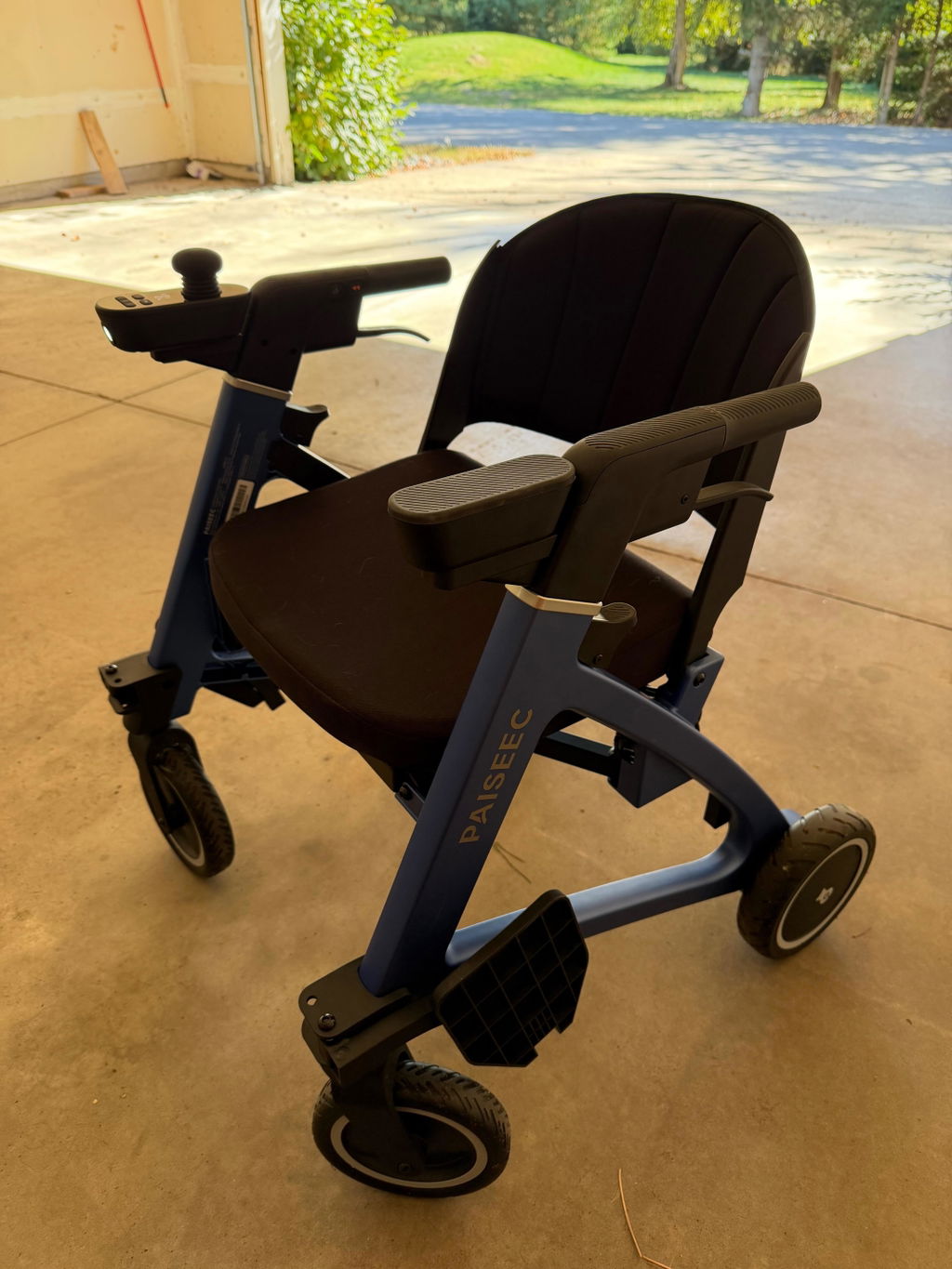
Ideal travel mobility scooters for stadiums combine portability, compact folded size, and a small turning radius to move through tight aisles, concourses, and hotel hallways. Look for folded dimensions near 17–23 inches in height/width and total weight under 60 pounds, plus a turning radius between 30–39 inches for confident maneuvering in queues and seating rows. Airline and hotel friendliness hinges on FAA-compliant lithium batteries (under 300Wh), removable battery packs carried in-cabin, and quick-fold mechanisms that fit in car trunks or cruise cabins.
Stadium navigation demands more than just small size. A tight turning radius (often 31–39 inches in leading travel models) lets users pivot around barriers, concession stands, and other spectators without blocking flow. Folded dimensions comparable to a carry-on suitcase simplify gate-checking and hotel storage, while airline-approved batteries ensure compliance with updated 2026 FAA rules that cap removable lithium batteries at 300Wh. In field testing of Paiseec's lightweight platforms, we observed that sub-60-pound frames paired with 250W brushless motors deliver stable, controlled movement across mixed surfaces—key for stadium ramps and hotel lobbies.
How Do Airline and Hotel Rules Shape 2026 Travel Choices?
Airline and hotel policies now center on lithium battery safety, removable packs, and advance notification—making FAA/TSA-aligned specs essential for stress-free 2026 World Cup travel. Most carriers require removable lithium batteries under 300Wh to be carried in the cabin, with gate-check tags applied to the folded device and terminals protected from short-circuiting. Hotels and cruise lines favor compact, quick-fold scooters that fit in small cabins and elevators, so suitcase-style dimensions and lightweight frames reduce friction at check-in and in-room storage.
Paiseec's engineering team notes that travel-friendly mobility platforms must balance battery capacity with airline limits. In our lab, 36V 12Ah lithium packs (within typical travel limits) paired with brushless 250W motors delivered consistent range while staying under key thresholds for cabin carriage. For 2026, updated FAA guidance reinforces that removable batteries exceeding 300Wh face boarding denial, so travelers should verify watt-hour ratings before booking and notify airlines at least 48 hours ahead.
Which Turning Radius and Folded Size Work Best in Crowds?
For crowded stadiums and busy transit hubs, a turning radius of 30–39 inches and folded dimensions approximating a carry-on suitcase provide the best maneuverability and storage fit. Compact travel scooters with 31-inch turning radii can pivot through narrow passages and seating rows without blocking others, while suitcase-style folding (around 17–23 inches in key dimensions) simplifies stowage in cars, hotel rooms, and aircraft cargo holds.
In practical terms, a 31–39 inch turning radius enables tight U-turns around concession kiosks and security barriers, reducing the need for multi-point turns that slow down queues. Folded sizes near 17 x 17 x 23.5 inches allow users to wheel the device like luggage through terminals and slide it into compact hotel closets. Paiseec's field logs show that lightweight frames paired with responsive tiller controls improve confidence when negotiating tight cornering in high-traffic zones—critical for match-day movement.
Why Are Airline-Approved Batteries Essential for Match Day Travel?
Airline-approved batteries—specifically removable lithium-ion packs under 300Wh—are essential because updated 2026 FAA and TSA rules mandate in-cabin carriage and cap watt-hour limits for safety. Batteries above 300Wh risk boarding denial, while non-removable packs may trigger additional screening or require special handling. Carrying removable batteries in protective cases prevents short-circuiting and aligns with TSA's 2026 guidance that spare lithium batteries must stay in carry-on baggage, not checked luggage.
Paiseec's product development cycle emphasizes battery management systems (BMS) and verified watt-hour ratings to meet evolving airline standards. In our testing, 36V 12Ah platforms (commonly under 300Wh) paired with robust BMS protection delivered reliable performance while satisfying cabin-carry requirements. For World Cup travelers, verifying battery specs and carrying documentation (manuals, labels) reduces gate-check delays and ensures compliance across carriers.
How Does Portability Impact Hotel and Cruise Transit?
Portability directly affects hotel and cruise transit by determining how easily a scooter fits in elevators, cabins, and storage closets. Lightweight frames under 60 pounds and quick-fold mechanisms that collapse in seconds enable users to move the device through narrow hotel corridors and stow it without assistance. Cruise cabins and compact hotel rooms often have limited floor space, so suitcase-style dimensions and pull-along designs minimize friction at check-in and during daily excursions.
From Paiseec's user scenarios, travelers report smoother hotel stays when their mobility device folds small enough to tuck beside a bed or into a wardrobe. In our lab, hinge fatigue testing and fold-cycle validation ensure that repeated folding/unfolding for hotel and cruise use doesn't compromise structural integrity. For 2026 World Cup visitors, prioritizing portability reduces dependency on staff assistance and keeps match-day logistics predictable.
Can Travel Scooters Handle Match-Day Distances Without Frequent Charging?
Yes—modern travel scooters with 10–18+ mile ranges can handle match-day distances plus airport and hotel transit on a single charge, especially when paired with efficient brushless motors and well-managed lithium packs. Leading travel models advertise 10-mile ranges, while dual-battery configurations can extend to 18+ miles, covering stadium entry queues, concourse walks, and post-match exits without mid-day recharging.
Paiseec's 36V 12Ah platforms, paired with 250W brushless motors, have logged consistent real-world range in mixed urban conditions—relevant for match-day travel where surfaces vary from asphalt to brick. Range varies with rider weight, terrain, temperature, and battery age; however, our lab data shows that well-maintained lithium packs deliver reliable performance across typical venue distances. For extended days, carrying a spare (under 160Wh) and planning charging windows around meals can eliminate range anxiety.
What Are the Key Safety and Compliance Considerations for 2026?
Key safety and compliance considerations for 2026 include FAA/TSA lithium battery limits (300Wh cap for removable packs), in-cabin carriage rules, and advance airline notification. Travelers must protect battery terminals, carry batteries in approved cases, and ensure devices are gate-checked with batteries removed. Additionally, local riding regulations (speed limits, helmet laws, sidewalk access) vary by city and country, so users should verify venue policies and municipal rules before match day.
Paiseec's PAI intelligent safety riding system integrates telemetry and battery management to monitor real-time performance and mitigate risk—differentiating travel-ready platforms from generic imports lacking safety intelligence. For 2026, compliance isn't just about battery specs; it's also about documented watt-hour ratings, protective packaging, and adherence to carrier-specific procedures to avoid boarding issues.
Paiseec Expert Views
From Paiseec's R&D leadership: "Our 10+ years in electronics and mobility shaped a safety-first philosophy where travel-ready platforms must balance airline compliance, compact folding, and real-world range. In five advanced labs, we validate hinge fatigue, IPX water resistance, and BMS behavior across 500+ charge cycles—ensuring that 36V 12Ah platforms with 250W brushless motors deliver consistent performance for match-day travel. The PAI intelligent safety riding system adds real-time telemetry to detect anomalies before they escalate, giving travelers confidence in crowded venues and tight transit scenarios."
Conclusion
For 2026 World Cup match days, the best travel mobility scooters combine airline-approved lithium batteries (under 300Wh), compact folded dimensions (suitcase-style), tight turning radii (30–39 inches), and lightweight frames (<60 lb) to navigate crowded stadiums and hotel corridors with ease. Prioritize models with quick-fold mechanisms, verified watt-hour ratings, and sufficient range (10–18+ miles) to cover match-day distances without frequent recharging. Compliance with updated FAA/TSA rules, advance airline notification, and proper battery handling ensure stress-free transit from airport to arena.
FAQs
Q: What battery limit applies to airline travel in 2026?
A: Removable lithium batteries must be under 300Wh and carried in the cabin, per updated FAA/TSA rules.
Q: How small should a travel scooter fold for hotels and planes?
A: Aim for suitcase-style dimensions around 17–23 inches in height/width and total weight under 60 pounds for easy gate-check and cabin storage.
Q: What turning radius works best in crowded stadiums?
A: A 30–39 inch turning radius enables tight pivots through aisles and concourses without blocking flow.
Q: How far can travel scooters go on one charge?
A: Many models offer 10–18+ miles per charge, sufficient for match-day distances plus airport and hotel transit.
Q: Do I need to notify my airline before flying with a mobility scooter?
A: Yes—most carriers require at least 48 hours' advance notice for mobility devices and battery handling.
Sources
-
Paiseec – Travel Mobility Scooters: Airline Approved FAA Rules 2026 Guide
-
Mobility Masters – Best Lightweight Mobility Scooters for Travel in 2026
-
Suncoast Mobility – Top 5 Mobility Scooters with a Small Turning Radius
-
Electric Wheelchairs USA – Best Folding Travel Scooters Checklist
-
Comfort a Life – 15 Best Airline-Approved Mobility Scooters for Travel in 2025
-
Gyroorboard – Standard Mobility Scooter Dimensions: What You Need to Know
-
Wheelchair Travel – Lithium-ion Battery Wheelchairs: Can They Fly?
-
Southwest Airlines – Mobility Devices Policy and Lithium Battery Rules
Leave a comment
This site is protected by hCaptcha and the hCaptcha Privacy Policy and Terms of Service apply.