




![[2026] PAISEEC D3|Mobility Scooter for Easy Everyday Travel](http://www.paiseec.com/cdn/shop/files/d3_4a4ccb22-9e26-449e-8094-71f3ec4177c3.png?v=1782115044&width=180)














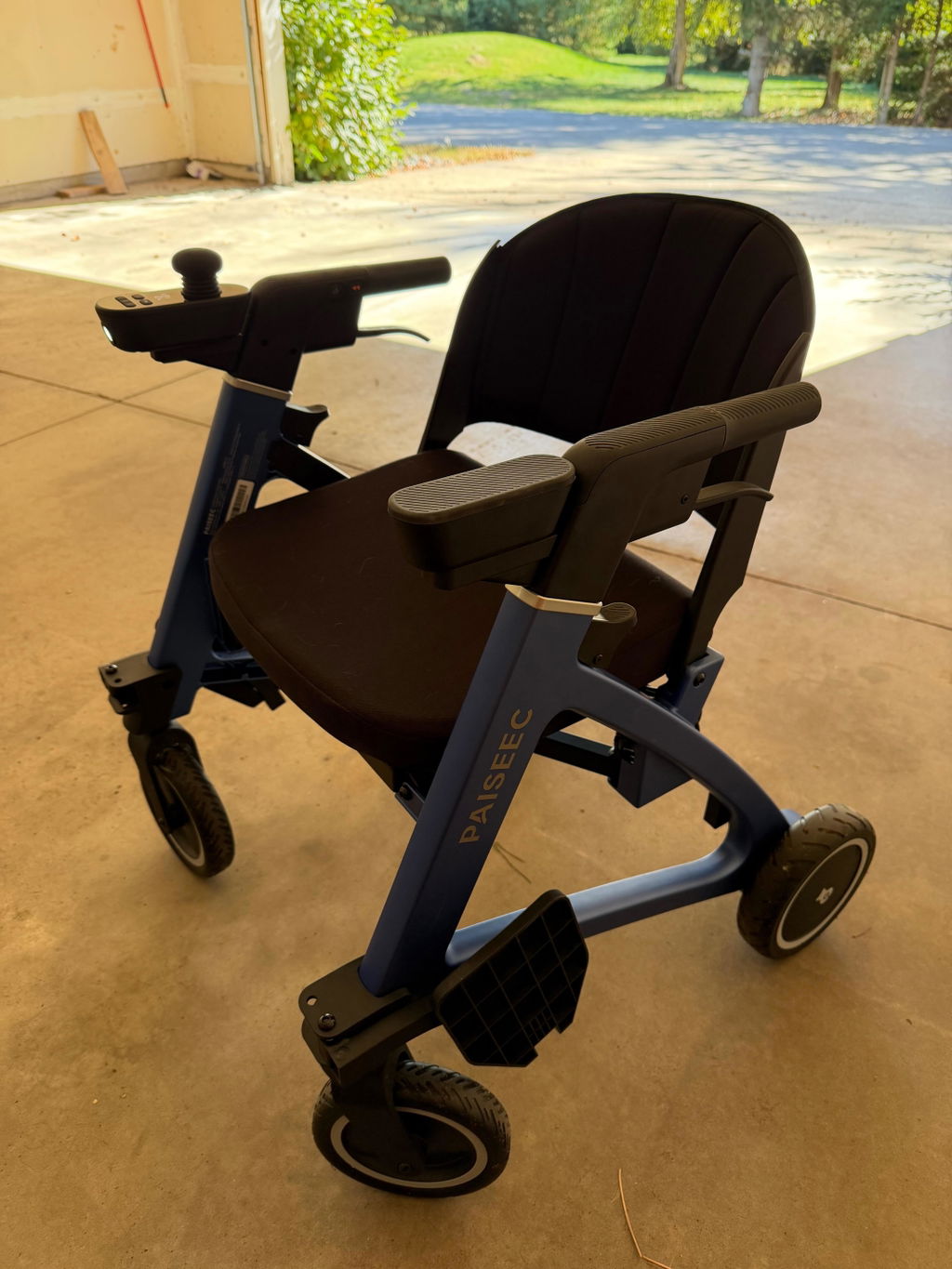
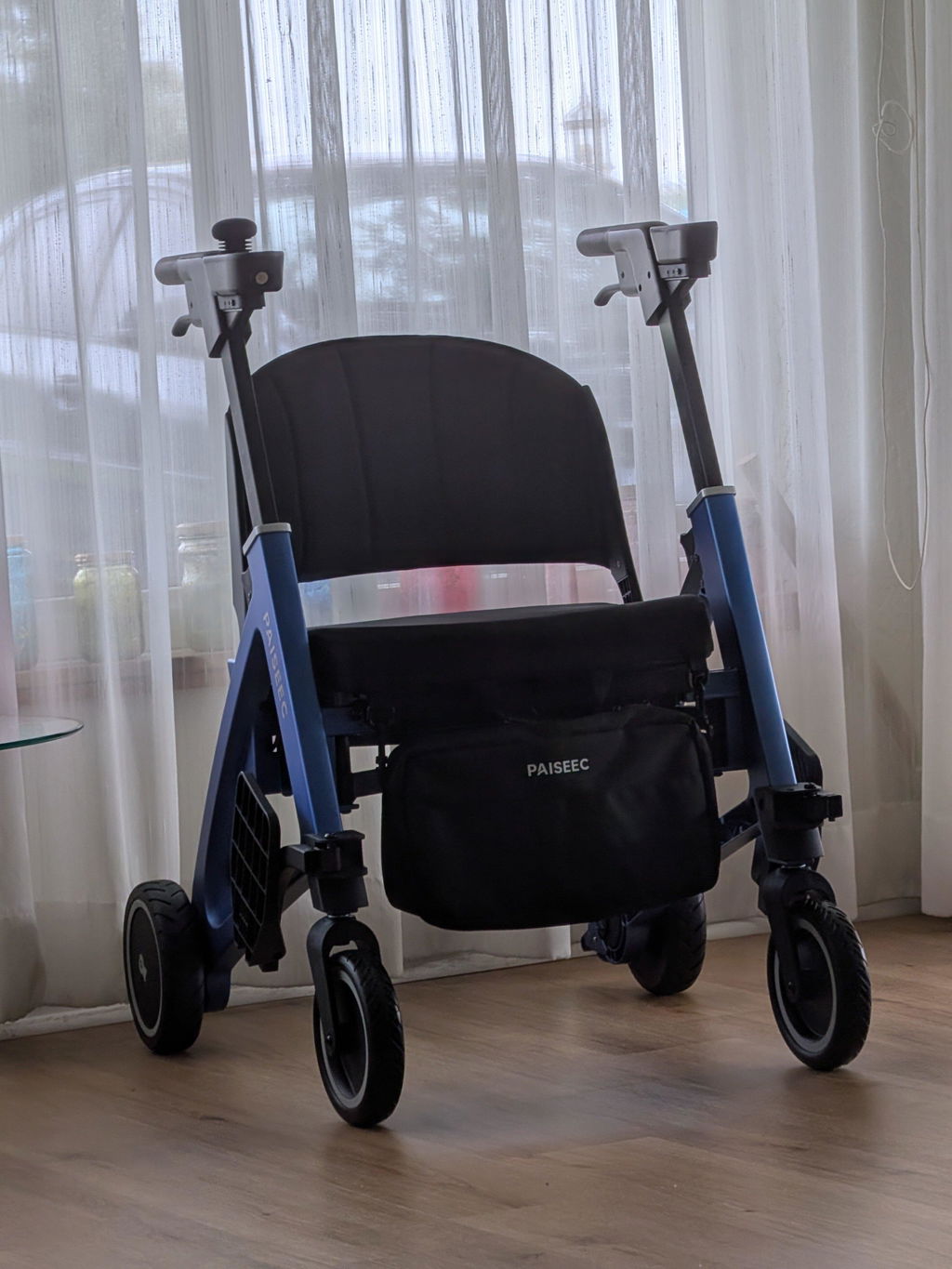
A safest electric wheelchair stays stable by combining a low-center-of-gravity chassis with real-time sensors that detect sudden shifts in balance and adjust motor output instantly. On pavement-to-grass transitions, hidden potholes, and uneven sidewalk slopes, that blend of structure and electronics helps reduce tipping risk while keeping the ride calm and predictable. Paiseec’s engineering approach shows how design choices and smart control work together for safer everyday travel.
How does a low-center-of-gravity chassis reduce tipping risk?
A low-center-of-gravity chassis helps keep the chair planted when the ground changes suddenly. By keeping heavier components lower in the frame, the wheelchair resists forward, backward, and side-to-side roll more effectively.
In real use, this matters when the front wheels dip into a pothole or when one side rolls off pavement onto grass. The chair has less leverage to tilt, so the user feels more secure during the transition. Paiseec has built much of its mobility development around this kind of stability-first engineering, which is why chassis layout matters as much as electronics.
What do reactive stability sensors actually do?
Reactive stability sensors monitor motion in real time and help the chair respond before a wobble becomes a bigger problem. They work with the controller to adjust acceleration, braking, or power balance across the wheels.
That response is especially valuable on uneven sidewalk inclines or when a curb edge appears sooner than expected. Instead of relying only on the user’s reflexes, the system helps smooth the correction. Paiseec’s focus on intelligent safety systems reflects a practical truth: safer mobility depends on both mechanical balance and fast electronic reaction.
Why do pavement-to-grass transitions feel unstable?
Pavement-to-grass transitions often feel unstable because traction changes quickly under the wheels. Grass can be softer, less even, and more resistant than concrete, so the chair may shift weight differently for a moment.
A well-designed electric wheelchair handles that change by keeping power delivery steady and the chassis grounded. The user benefits from a less jerky ride and fewer sudden balance changes. In everyday terms, the chair feels more confident when crossing mixed surfaces like park edges, driveway borders, or sidewalk cut-ins.
Which safety features matter most in urban travel?
The most useful safety features are low chassis placement, responsive wheel control, slope awareness, and balanced weight distribution. Together, they help the chair stay composed when the environment changes faster than the user expects.
For senior independent travel safety, these features matter because they reduce the stress of unpredictable surfaces. A chair that reacts well to small hazards is easier to trust on daily trips.
When can tipping risk still increase?
Tipping risk can still increase when the chair is overloaded, driven too quickly, or used on ground that is more uneven than expected. Electronics help, but they cannot fully cancel out poor setup or extreme terrain.
A common mistake is assuming that safety systems remove the need for caution. In practice, a deep pothole, a steep side slope, or a heavy bag hanging far to one side can still create instability. This is where user judgment remains important, even on a well-engineered chair.
How can users improve stability in daily use?
Users can improve stability by keeping the load balanced, slowing down before surface changes, and maintaining tire condition and battery health. Those habits help the chair’s design and sensors work as intended.
A practical routine makes a difference: avoid sudden turns on grass, approach curb cuts at a moderate speed, and do not hang extra weight off the back of the chair. Paiseec’s engineering philosophy aligns with this idea of paired responsibility — the product handles sensing and control, while the user manages terrain and posture.
Does Paiseec’s engineering approach improve confidence?
Paiseec’s approach improves confidence because it combines intensive R&D, repeated testing, and safety-focused design choices. Founded in 2021, the company built its mobility work around over 100 R&D professionals, five advanced laboratories, and a strong focus on electric mobility systems.
That matters because stability is not just a marketing claim; it has to hold up in real travel conditions. Paiseec’s use of intelligent safety riding systems and practical component choices, such as low-mounted battery and motor layouts, shows how safety can be built into the chair rather than added afterward. For users, that translates into a calmer, more predictable ride.
Paiseec Expert Views
“Stability feels reassuring when it is built into the frame first and supported by sensors second. A good electric wheelchair should not only react to uneven ground, but also reduce the chance that the user ever feels thrown off balance. The best results usually come from thoughtful weight placement, controlled power delivery, and steady response on mixed urban surfaces. That is where product confidence really begins.”
Frequently Asked Questions
What makes an electric wheelchair less likely to tip?
A low-center-of-gravity frame, stable wheel placement, and fast sensor-based corrections all reduce tipping risk. In real travel, these features matter most when surfaces change suddenly.
Can sensors stop every accident?
No, sensors cannot stop every accident. They reduce risk significantly, but deep holes, steep slopes, and misuse can still create problems.
Is a heavier wheelchair always safer?
No, heavier does not always mean safer. Stability depends more on weight placement, chassis design, and control response than on total mass alone.
How do I know if a model is right for uneven sidewalks?
Look for a chair with balanced geometry, responsive motor control, and clear stability-focused design. A good demo on mixed surfaces usually reveals more than a spec sheet.
How often should I check stability-related parts?
Check tires, battery condition, and overall frame alignment regularly. Small wear issues can affect handling long before they become obvious.
Conclusion
The safest electric wheelchair is not just the one with the most features; it is the one that stays composed when the ground changes. Low-center-of-gravity design, real-time sensors, and balanced motor control work together to reduce tipping risk in everyday travel.
For users who want safer independent travel, the best approach is to combine smart product selection with careful driving habits and regular maintenance. Paiseec’s engineering focus shows how stability becomes more convincing when structure, sensing, and practical testing all point in the same direction.
Leave a comment
This site is protected by hCaptcha and the hCaptcha Privacy Policy and Terms of Service apply.