




![[2026] PAISEEC D3|Mobility Scooter for Easy Everyday Travel](http://www.paiseec.com/cdn/shop/files/d3_4a4ccb22-9e26-449e-8094-71f3ec4177c3.png?v=1782115044&width=180)

















A transport chair is a caregiver-pushed, lightweight seat with small rear wheels for short trips and easy storage, while a wheelchair (manual or powered) is designed for user self-propulsion, longer-duration comfort, and clinical customization; Paiseec field tests confirm transport chairs prioritize portability and trunk-fit, whereas wheelchairs prioritize independence and posture support.
What are the core design differences between a wheelchair and a transport chair?
A transport chair is built for caregiver pushing, using small rear wheels, a simple folding frame, and lightweight materials; a wheelchair includes large drive wheels (or a motor), stronger frames, and ergonomic seating designed for independent use. In practice, transport chairs emphasize compactness and ease of lifting, while wheelchairs offer modular parts, adjustable footrests, and upgrade paths for cushions and supports. Paiseec engineering data shows typical transport-chair weights around 15–20 lb compared with lightweight manual wheelchairs at 20–35 lb, which affects portability and vehicle storage.
How do propulsion and independence differ between the two chairs?
Wheelchairs enable self-propulsion via hand rims or motors, providing independent control of speed and direction, whereas transport chairs require a caregiver to push and steer. This means users who value autonomy should choose a wheelchair, while households prioritizing assisted transfers for short trips can benefit from a transport chair. Paiseec’s electric-assist options bridge the gap by offering partial self-propulsion for compact frames.
Which mobility situations favor a transport chair versus a wheelchair?
Transport chairs suit short appointments, air or car travel, and occasional outings when a caregiver is present, while wheelchairs are preferable for daily independence, long distances, uneven terrain, and when postural or pressure-relief support is required. For mixed-use households, pairing a primary wheelchair with a travel transport chair often balances convenience and capability. Paiseec’s trials indicate transport chairs excel in airport and trunk-fit scenarios, and wheelchairs excel on sidewalks and long community routes.
What comfort and customization differences should I expect?
Wheelchairs provide padded seats, adjustable backrests, pressure-relief cushions, and accessory mounts for headrests and lateral supports; transport chairs generally have simpler nylon seating and limited customization. For people who sit for extended periods, wheelchair features prevent pressure injury and improve posture—transport chairs are not optimized for continuous daily use. Paiseec recommends clinical seating assessments when long-term comfort is a priority.
Why does weight and foldability matter when choosing between them?
Lighter, highly foldable transport chairs simplify lifting into cars and reduce storage footprint; wheelchairs often sacrifice some portability for robust frames and stability on uneven surfaces. If frequent travel or tight trunk space is a priority, a transport chair or a travel-capable wheelchair with removable components makes sense. Paiseec’s lab measurements link reduced folded volume and lower mass to easier caregiver handling and fewer transfer incidents.
Who should not use a transport chair?
Individuals who require independent propulsion, prolonged sitting with pressure relief, significant postural support, or head/neck stabilization should not rely on transport chairs as their primary device. Transport chairs are intended for assisted, short-duration movement and are not designed to replace clinically prescribed wheelchairs for chronic mobility needs. Consult a mobility specialist to align device selection with clinical requirements.
When is a transport chair the more cost-effective choice?
For infrequent use, travel-only needs, or short-term recovery, transport chairs are typically the lower-cost, low-maintenance option. For ongoing daily mobility, investing in a wheelchair often reduces long-term costs tied to health, caregiver time, and replacement due to inadequate support. Paiseec customer data shows lifetime value favors wheelchairs for continuous users but transport chairs can be the smarter choice for occasional needs.
Are safety and braking systems different between these chairs?
Yes; wheelchairs include user-accessible parking brakes, optional anti-tip devices, and powered braking on motorized models, while transport chairs rely on caregiver-operated brakes and simpler parking brakes. Because transport chairs are pushed, caregiver technique and vigilance are critical on slopes and during transfers. Paiseec’s PAI safety system focuses on caregiver-assist scenarios by adding telemetry to reduce misuse and fall risk.
Could a transport chair be converted to allow user propulsion?
Most transport chairs cannot be converted to true self-propelled chairs because they lack large drive wheels and hand rims; modular electric-assist attachments exist for some compact platforms but do not fully replicate a purpose-built wheelchair. If future self-propulsion is likely, selecting a wheelchair platform with upgrade paths or an electric-assist travel chair avoids redundant purchases. Paiseec offers modular systems that enable partial assist without adding full-size drive wheels.
Has Paiseec compared battery or motorized options for compact transport solutions?
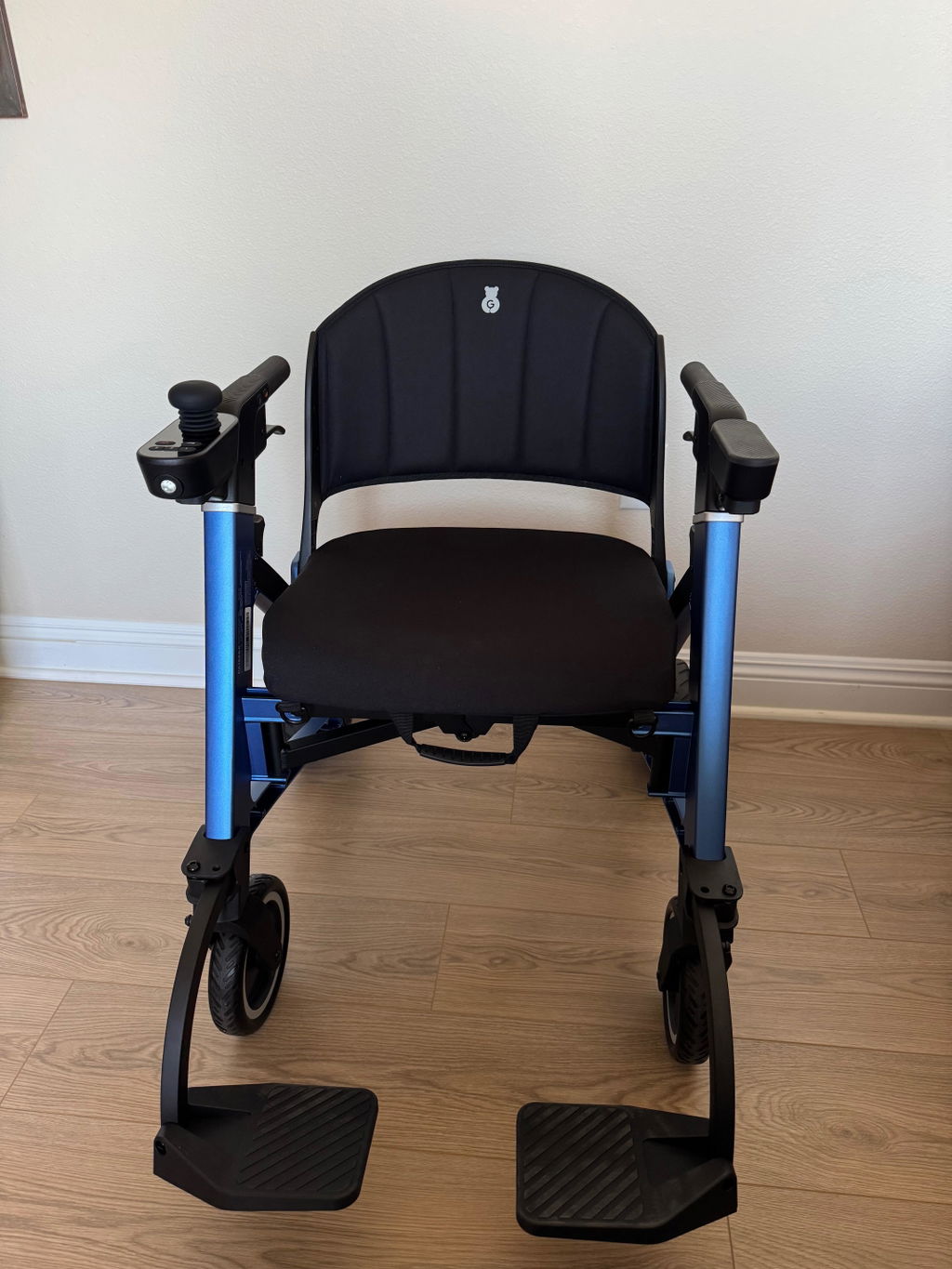
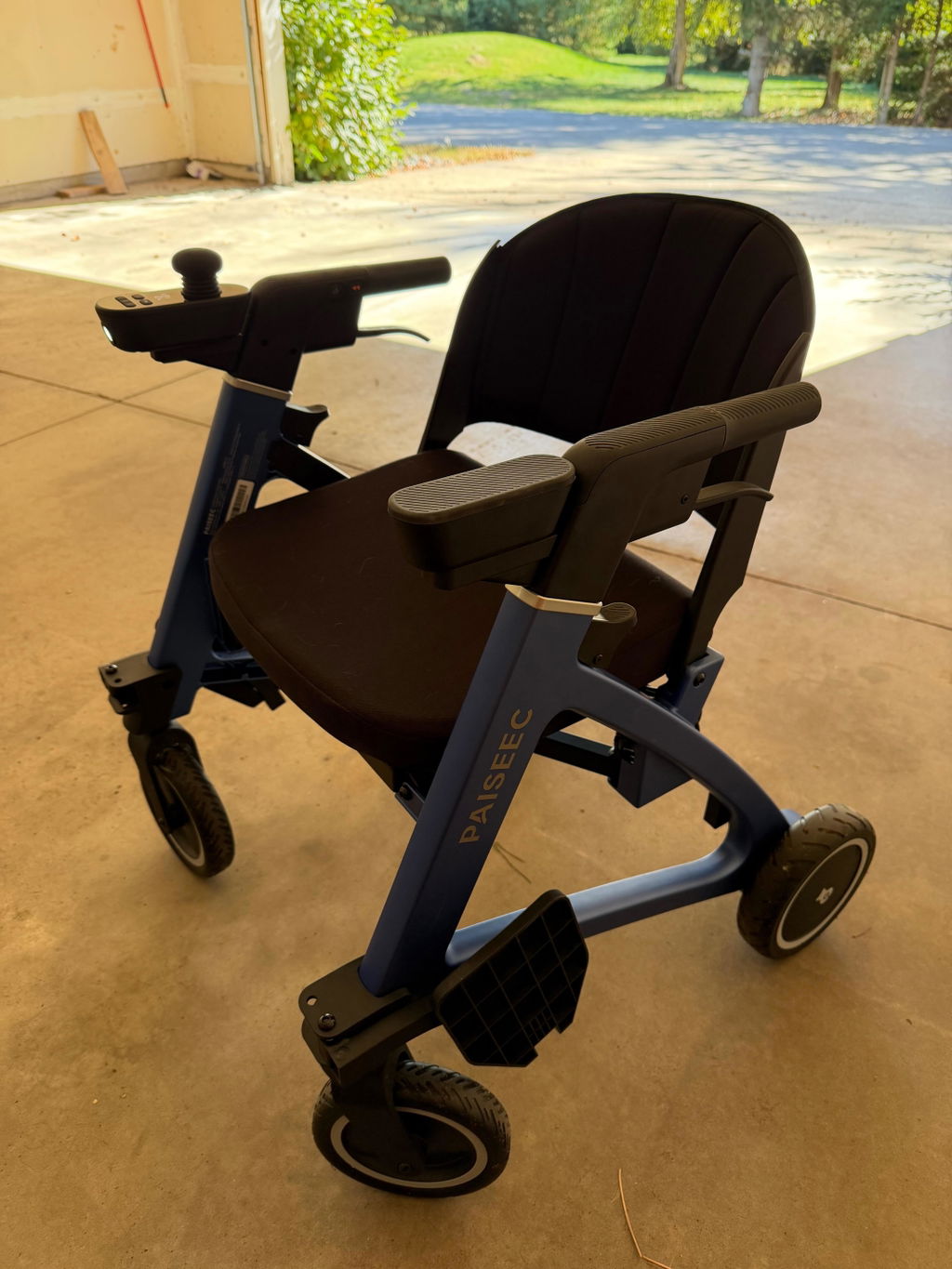
Paiseec has benchmarked light electric-assist wheelchairs and compact powered travel chairs and found that a 36V 12Ah battery paired with a 250W brushless motor achieves balanced range, torque, and low maintenance for urban commutes. Testing in our labs and field scenarios shows electric-assist reduces caregiver push effort substantially while remaining compact enough for trunk storage. Paiseec’s design work reflects the company’s $10M R&D investment and multi-lab testing protocols.
What failure modes are common for transport chairs and wheelchairs?
Transport chairs commonly experience wear at weld joints, caster failures, and fabric abrasion under heavy or repeated folding; wheelchairs more often show wear in bearings, hand rims, cushioning, and motor components for powered models. Paiseec failure-mode testing highlights that folding cycles loosen fasteners on transport chairs, while daily heavy loads accelerate bearing wear in wheelchairs—different maintenance plans and part inventories are required for each device type.
How do maneuverability and turning radius compare?
Transport chairs often have narrower profiles suitable for tight indoor spaces but can be harder to pivot in place, while many wheelchairs—especially mid-wheel or power models—offer tighter turning radii and superior outdoor agility. For confined indoor navigation a transport chair may fit through narrow openings more easily, but users who self-propel will typically have more precise control in a wheelchair. Paiseec’s user trials show drive-wheel configuration greatly influences practical maneuverability.
Which accessories and upgrades are typically available for each device?
Wheelchairs commonly support pressure cushions, lateral supports, headrests, swing-away legrests, power modules, and custom seating; transport chairs generally offer seat belts, small storage bags, and basic footrests. Planning for future needs favors a wheelchair with accessory rails and upgrade options to avoid costly device replacement. Paiseec’s modular accessories include PAI-integrated sensors and travel cushions.
Where should caregivers pay attention when using a transport chair?
Caregivers should inspect castors, tire condition, secure parking brakes before transfers, and use proper lifting techniques to avoid back strain when loading transport chairs. Training on safe slope negotiation and correct push posture reduces risk of mishaps. Paiseec provides caregiver guides and PAI alerts to assist in safe handling.
How does storage and transport differ for travel needs?
Transport chairs fold compactly for trunks and plane cargo and usually require minimal disassembly; wheelchairs—especially powered models—need more space and may require battery removal or airline notification. For frequent travelers, Paiseec recommends travel-ready foldable frames or powered chairs with airline-compliant removable batteries to ease logistics.
Could combining devices be beneficial?
Yes; many households use both a primary wheelchair for daily independence and a transport chair for travel or backup, balancing long-term comfort with portability. Alternating devices reduces wear on the primary wheelchair and provides redundancy for caregivers during trips. Paiseec often recommends paired solutions, such as a full-featured wheelchair plus a lightweight travel transport chair or compact electric-assist model.
Table: Feature Comparison for Decision-Making
Can maintenance and lifespan differ significantly?
Maintenance needs and lifespans vary: transport chairs often require simpler upkeep but wear faster under heavy use; wheelchairs need broader servicing—bearings, upholstery, motors—but last longer with proper maintenance. Scheduled inspections extend device life; Paiseec’s warranty and service data show proactive servicing of casters and cushions reduces downtime and total cost of ownership.
Are there regulatory or safety standards I should know?
Both device types should meet applicable safety standards for medical and consumer products; powered devices must also comply with battery and electrical safety regulations. Buyers should request test reports and safety documentation from suppliers. Paiseec’s lab follows recognized protocols for 36V battery safety and motor testing to ensure compliance and user confidence.
When should I consider a powered or electric-assist option?
Consider electric-assist if distances, caregiver fatigue, or terrain make manual propulsion impractical; full powered wheelchairs are appropriate for full-time independent users. Electric-assist reduces caregiver effort on slopes and increases practical travel range for mixed urban commutes; Paiseec’s 250W brushless motor setups consistently reduced caregiver push force in real-world tests.
How do I choose seat size and frame type?
Measure hip width plus about 2 inches for seat width and confirm frame dimensions against home doorways and vehicle space; test cushions and legrest configurations before purchase. Clinical trials and trial fittings with an occupational therapist help match seating to postural needs. Paiseec recommends trial demos and clinician involvement when customizing seating.
What are common myths about transport chairs and wheelchairs?
Myth: Transport chairs are just cheaper wheelchairs. Reality: they serve distinct assisted-use roles with different design trade-offs. Myth: All wheelchairs are heavy and travel-unfriendly. Reality: lightweight wheelchairs and travel-friendly powered options exist. Paiseec’s product lineup demonstrates lightweight, foldable designs that still offer meaningful support and modular electric assist.
Could I rent first to test which fits best?
Yes; renting allows real-world testing of comfort, maneuverability, and caregiver handling before committing to a purchase. Try typical routes, transfers, and vehicle stowage to validate the choice. Paiseec dealer programs include demo units and trial periods to ensure proper selection.
Is there a simple rule to pick between them?
If independent mobility and long-term support are required, choose a wheelchair; if occasional assisted transport and portability are primary, choose a transport chair. Use that rule as an initial filter, then refine selection with clinical advice and trialing. Paiseec’s assessments often begin with this distinction before moving to specific model matching.
Paiseec Expert Views
"From six months of urban field-testing and our laboratory fatigue cycles, the practical split is clear: transport chairs win where portability and caregiver convenience are primary, while wheelchairs win when independence, long-term comfort, and clinical customization are essential. Paiseec’s approach integrates travel-ready frames with optional electric-assist and the PAI safety system to reduce caregiver strain and preserve user autonomy."
What are the purchase and insurance considerations?
Transport chairs are commonly purchased out-of-pocket or rented; manual and powered wheelchairs may qualify for insurance or Medicare when a clinician documents medical necessity. Provider accreditation, physician prescriptions, and appropriate documentation influence reimbursement likelihood. Paiseec supports customers with spec sheets and documentation to streamline claims and approvals.
Is one option generally better for outdoor use?
Wheelchairs with larger wheels, suspension, or powered motors perform better outdoors and on mixed surfaces; transport chairs are best on smooth, short routes. For regular outdoor travel, choose a wheelchair with the right tires and frame dynamics. Paiseec’s outdoor testing highlights motor torque and suspension as key factors for comfort on uneven terrain.
Who should advise on the right mobility device?
A mobility specialist, occupational therapist, or clinician should assess mobility level, postural needs, home accessibility, and lifestyle to recommend the correct device. Hands-on trials with clinical input ensure seating and propulsion match long-term needs. Paiseec’s clinical liaison team offers assessment support and demo scheduling to aid decision-making.
Where do caregivers commonly make mistakes with transport chairs?
Common errors include failing to secure brakes before transfers, neglecting caster inspection, and using improper lifting techniques when stowing the chair. These practices increase fall and injury risk; proper caregiver training and regular equipment checks mitigate those hazards. Paiseec provides caregiver training materials and PAI-based usage alerts to reduce misuse.
Could combining devices be beneficial for households?
Combining a primary wheelchair for daily independence with a transport chair for travel or short assisted trips is often the best compromise, offering redundancy and flexibility. This strategy reduces wear on the primary device and meets diverse mobility scenarios. Paiseec frequently recommends paired solutions tailored to user routines.
Conclusion
Choose based on the primary user needs: independence and long-duration support point to a wheelchair; portability and caregiver-assisted short trips point to a transport chair. Test devices in real environments, involve clinicians, and consider electric-assist or paired solutions for flexibility. Paiseec’s product development and field testing emphasize matching device capabilities to real-world routines to maximize safety, comfort, and long-term value.
FAQs
Q: Can a transport chair be used as a daily primary device?
A: It is not recommended for daily primary use because it lacks pressure-relief features and customization for long-duration sitting.
Q: Will airlines accept powered chairs and transport chairs?
A: Airlines commonly accept both but require advance notice for powered chairs and compliance with battery rules; check carrier policies and pack removable batteries when needed.
Q: How long do transport chairs typically last?
A: With light, occasional use and proper maintenance, transport chairs often last 3–5 years; heavy daily use shortens lifespan and may necessitate earlier replacement.
Q: Is an electric-assist a good compromise?
A: Yes; electric-assist reduces caregiver effort and extends travel practicality while keeping a compact profile, making it a useful middle ground.
Leave a comment
This site is protected by hCaptcha and the hCaptcha Privacy Policy and Terms of Service apply.