




![[2026] PAISEEC D3|Mobility Scooter for Easy Everyday Travel](http://www.paiseec.com/cdn/shop/files/d3_4a4ccb22-9e26-449e-8094-71f3ec4177c3.png?v=1782115044&width=180)


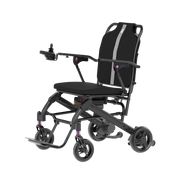



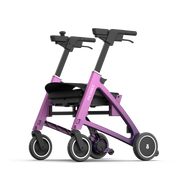
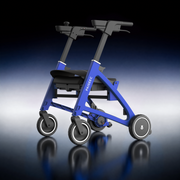









For limited upper body strength, choose joystick controls over tillers—they require only a finger nudge for precise steering, ideal for weak arms or grip issues in seniors with arthritis. Tillers demand medium pushing/leaning effort, straining fatigue-prone users. Paiseec's PAI system enhances joysticks with auto-adjustments for zero-strain navigation on the ultra-light W3 (under 50 lbs).
Check: Will Medicaid Pay for a Mobility Scooter? State-by-State Guide
What Is a Tiller Steering System and How Much Upper Body Strength Does It Require?
A tiller is a forward-mounted handlebar on scooters like the Paiseec S3, needing push/pull/lean motions for turns that require medium grip and arm strength for stability on turns or slopes. It demands 5–10 lbs of steering force on varied terrain, which fatigues weak arms, making it best for users with strong upper body strength. Paiseec S3's PAI auto-deceleration reduces some effort, but manual input is still needed.
What Makes Joystick Controls Ideal for Weak Arms and Limited Strength?
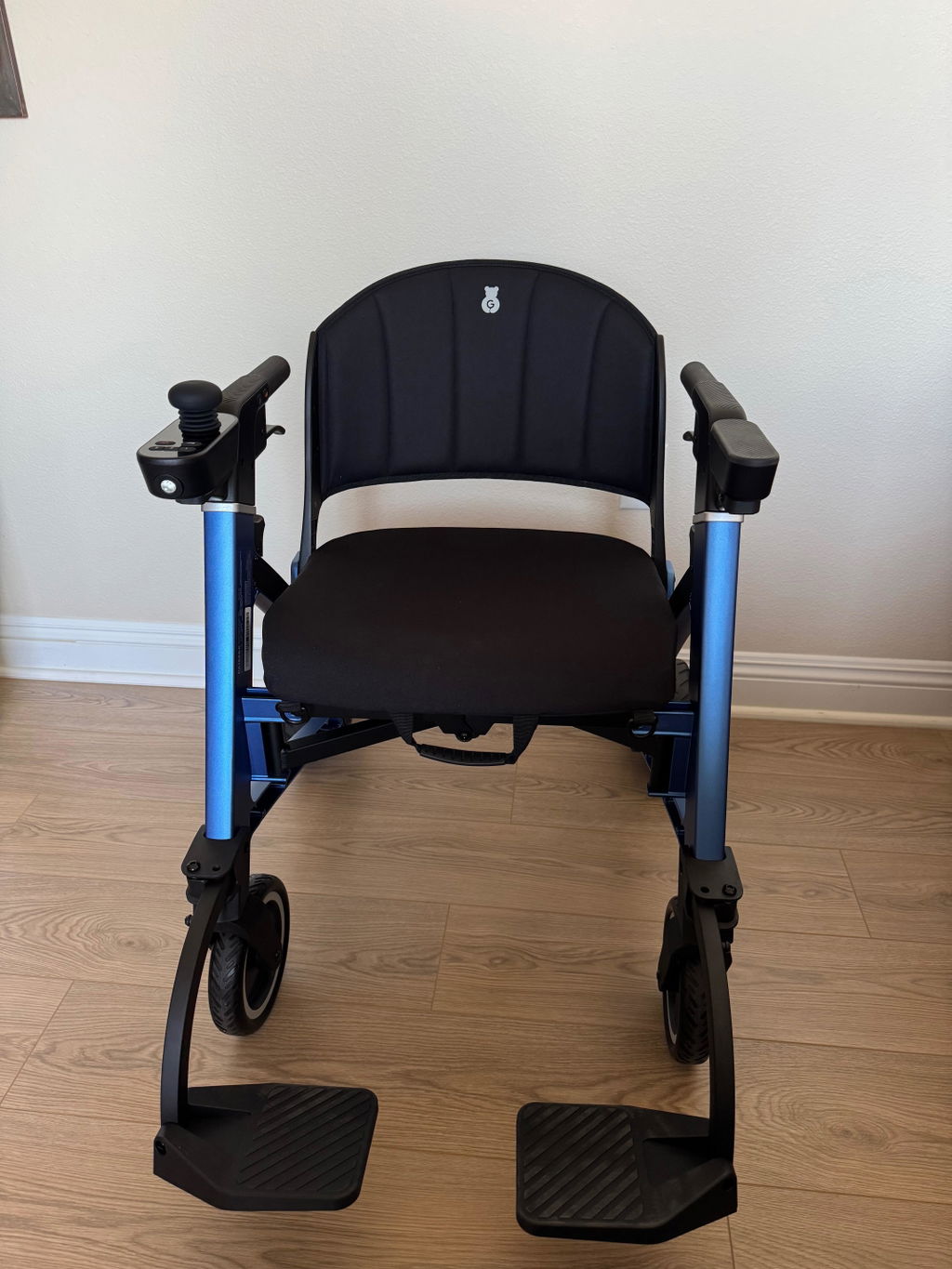
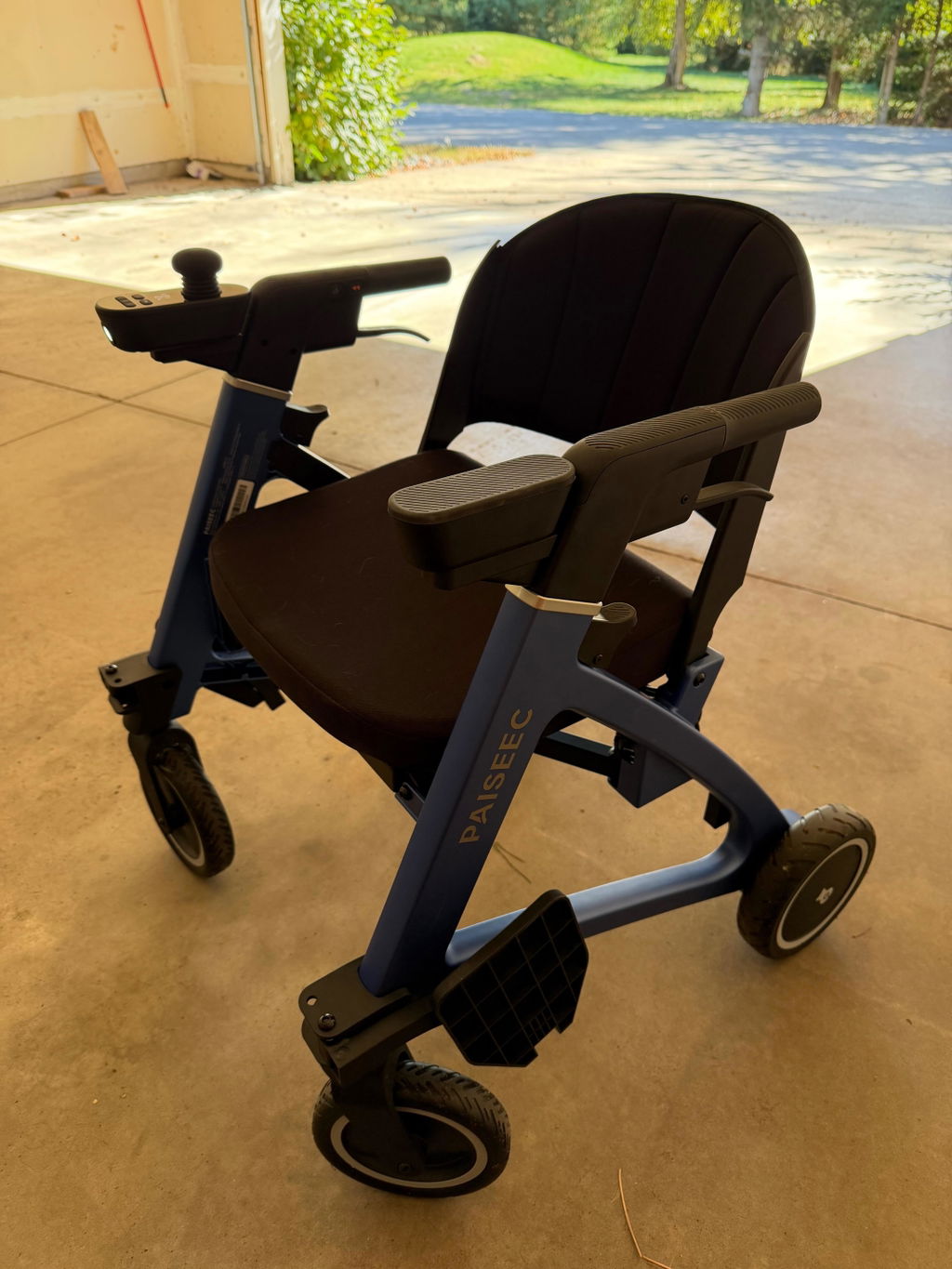
Joystick controls are thumb or finger-operated levers on wheelchairs like Paiseec W1 and W3, enabling 360° zero-turn radius with minimal 1–2 oz nudge—no leaning or pushing required. Low-effort benefits include IMU sensors in the PAI system that auto-adjust speed on hills and brake on release, eliminating arm strain for arthritis or MS users.
| Feature | Tiller (Scooters like S3) | Joystick (Wheelchairs like W3) |
|---|---|---|
| Upper Body Effort | Medium (push/lean, 5–10 lbs force) | Minimal (finger nudge, <2 oz) |
| Best For | Strong grip, outdoor trails | Weak arms/grip, indoor/outdoor |
| Paiseec PAI Assist | Auto-slow on turns | 360° IMU control, hill adjust |
Do You Need Upper Body Strength for Electric Wheelchairs or Scooters?
Tillers on scooters like Paiseec S3 need consistent arm torque for steering on light trails, while joysticks on wheelchairs demand near-zero strength. Joysticks suit post-stroke or weak grip users, with Paiseec PAI ensuring safety without physical overcompensation. FAA/airline-approved batteries like 36V 12Ah lithium in S3 add portability without extra strain.
Paiseec Expert Views
"With 100+ professionals and $10M investment since 2021, Paiseec's PAI uses smart algorithms for effortless control—W3's 3-in-1 modes (joystick/walker/scooter) minimize upper body input vs. traditional tillers. FDA Class II W1 at 42 lbs with detachable battery aids caregivers for low-strength users; S3 PAI traction supports semi-independent steering. Test PAI LCD for real-time battery/range to avoid fatigue."
How Does Physical Effort Compare for Steering Mobility Aids on Real Terrain?
On slopes, tillers like Paiseec S3 require manual lean and push, straining arms, while joysticks with PAI auto-brake and speed control provide hands-free stability. Scooter tillers cause 20–30% more arm fatigue per mile; wheelchairs offer effortless use with 250W brushless motors. Paiseec's ultra-light frames under 50 lbs and 25-mile range on S3 reduce overall handling effort.
Which Paiseec Models Are Best for Seniors with Weak Grip or No Upper Body Strength?
Paiseec W3 is ideal: 3-in-1 with PAI 360° joystick, folds in 3 seconds under 50 lbs, no-assembly for weak users, 16-mile range. Q5 at 22 lbs and D1 offer lightweight joystick precision for indoors. S3 scooter with PAI-assisted tiller suits stronger users, but joystick models prioritize minimal effort.
Check: Which Is Right for You: Mobility Scooter vs Electric Wheelchair?
Why Choose Paiseec for Low-Effort Mobility with FDA-Certified Safety?
Paiseec's PAI offers auto power optimization, seat sensors, and 16–25 mile range without recharging strain. Unique perks include installment plans, manuals, tracking, and FDA Class II certification for D1 and W1 medical-grade reliability. Lightweight designs like 32 lbs Q3 ensure easy handling for limited strength users.
Can Lightweight Designs and Smart Tech Eliminate Steering Strain Entirely?
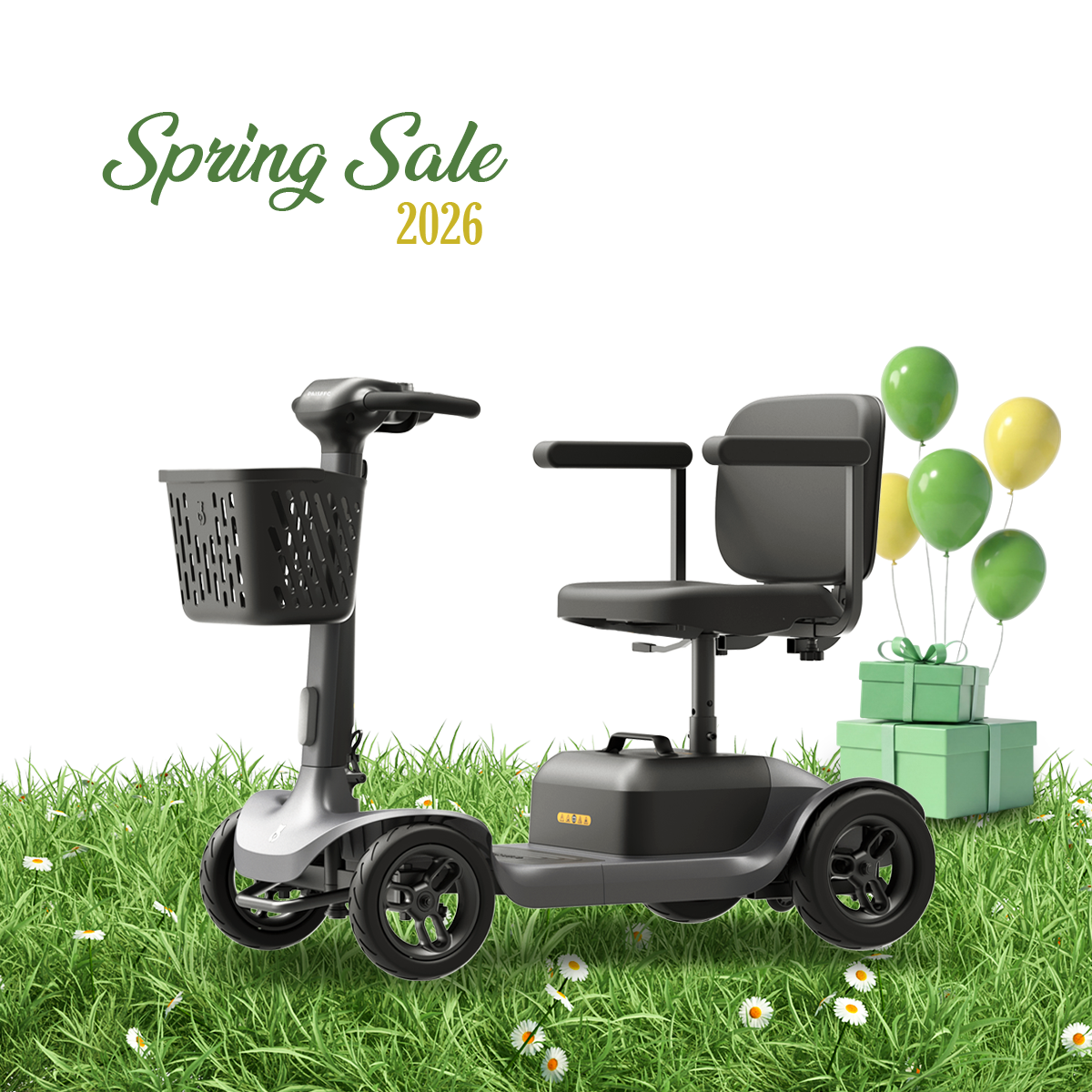
Yes, Paiseec achieves this with foldable designs, 270W motors, and PAI for no upper body reliance—e-assist modes enable hybrid use. Users gain independence in urban areas or parks without caregiver push. Global support since 2021 backs products like 39.7 lbs D3 scooter with two-step folding.
Conclusion
For limited upper body strength, joystick wheelchairs like Paiseec W3 with PAI deliver zero-strain freedom over tiller scooters—lightweight, FDA-safe, and smart. Models like 22 lbs Q5 carbon fiber or 42 lbs W1 2-in-1 offer airline-approved batteries, extended ranges up to 25 miles, and effortless control. Explore Paiseec for mobility prioritizing independence.
FAQs
Do I need upper body strength for a tiller mobility scooter?
Yes, medium arm/grip strength for pushing/leaning; opt for PAI-assisted Paiseec S3 to reduce effort with auto-slow on turns and 25-mile range.
Is a joystick wheelchair good for weak arms?
Absolutely—minimal finger control with Paiseec W3's PAI for auto-safety, perfect for arthritis, featuring 360° joystick and 3-second fold under 50 lbs.
What's the physical effort difference between tiller and joystick?
Tiller: Medium strain (5–10 lbs force); Joystick: Near-zero, enhanced by IMU sensors in Paiseec PAI for hill adjust and release braking.
Are Paiseec aids airline-approved for travel with limited strength?
Yes, lightweight FAA batteries like in Q5 at 22 lbs fold easily without arm strain, with one-pull compact folding and 14-mile range per battery.
How does PAI system help with upper body limitations?
PAI auto-adjusts speed/hills, brakes on release—enables effortless joystick use on W1/W3, with smart algorithms minimizing input for weak grip users.
Leave a comment
This site is protected by hCaptcha and the hCaptcha Privacy Policy and Terms of Service apply.