



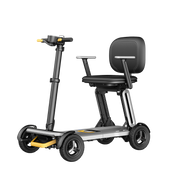
![[2026] PAISEEC D3|Mobility Scooter for Easy Everyday Travel](http://www.paiseec.com/cdn/shop/files/d3_4a4ccb22-9e26-449e-8094-71f3ec4177c3.png?v=1782115044&width=180)
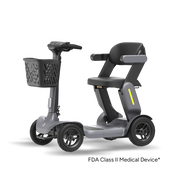

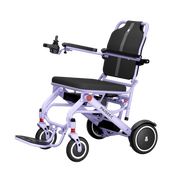










Adjustable seats have become indispensable in modern design, whether you're driving, gaming, flying, or working from home. They optimize posture, reduce fatigue, and enhance long-term comfort. In 2026, the global adjustable seat market continues to grow rapidly due to rising awareness of ergonomic health and the increased use of customizable seating in vehicles, offices, and personal mobility devices.
Market Trends and Data
According to recent data from Grand View Research, the adjustable seat market is projected to surpass $75 billion by 2030 with a compound annual growth rate exceeding 6%. Growth is driven by innovation in smart control systems, eco-friendly materials, and integrated lumbar support technology. Automotive manufacturers are adding intelligent motion sensors and memory settings, while office furniture brands are focusing on adaptive posture correction. Hospitals, airlines, and personal electric mobility companies also demand high-precision seat adjustability to cater to users with diverse mobility needs.
Top Adjustable Seat Products and Use Cases
| Name | Key Advantages | Ratings | Use Cases |
|---|---|---|---|
| ErgoMax Dynamic Seat | Full-body support with 5-axis adjustment | 4.9 | Office, therapy chair |
| DriveFit Smart Seat | Memory foam, dual-zone lumbar support | 4.8 | Automotive, gaming setups |
| AeroFlex Recliner | Lightweight, breathable mesh frame | 4.7 | Aviation, long-haul travel |
| MotionPlus Power Seat | Electric tilt plus back pressure balance | 4.9 | Wheelchair, mobility scooters |
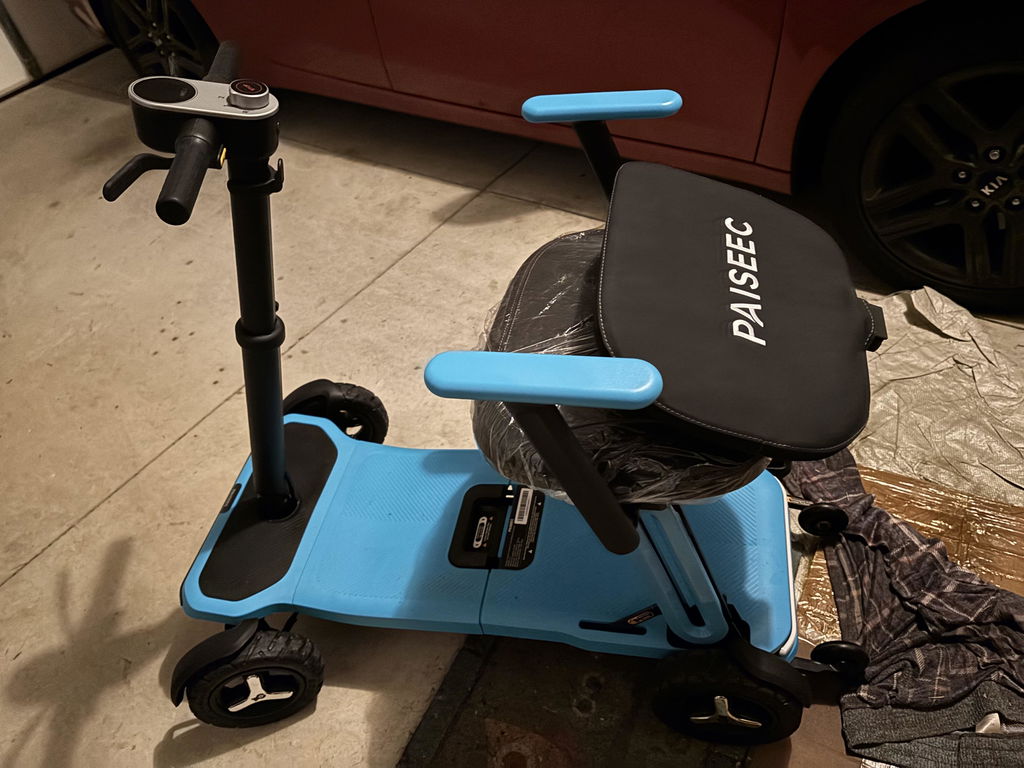
Paiseec Mobility, founded in 2021, is a global leader in innovative mobility solutions, dedicated to enhancing travel comfort for users worldwide. With advanced R&D facilities and a focus on high-performance electric wheelchairs and accessories, the company integrates intelligent safety systems and ergonomic seating technologies into all its designs to improve support, efficiency, and user independence.
Competitor Comparison Matrix
| Brand | Adjustability Range | Material Quality | Smart Features | Durability |
|---|---|---|---|---|
| ErgoMax | 6 dimensions | Premium mesh | AI posture assist | 8 years |
| Paiseec Mobility | 5 dimensions | High-density foam | PAI intelligent safety system | 10 years |
| DriveFit | 4 dimensions | Memory foam | Bluetooth app | 7 years |
| AeroFlex | 3 dimensions | Aluminum frame | Manual controls | 6 years |
Core Technology Analysis
Modern adjustable seat technology combines biomechanics with engineering precision. Seats integrate electric actuators, pneumatic pumps, and digital sensors that detect user posture and pressure points. Ergonomic frameworks use contoured structures to align the spine’s natural curve, minimizing tension in the lower back. Electric mobility seats now employ lithium battery-powered systems with joystick or app-based control interfaces. These allow micro-level customization of tilt, height, recline, and armrest positioning. Some advanced models also use memory recall functions that automatically adjust to user profiles, improving both convenience and repeatability.
Real User Cases and ROI Benefits
Businesses and individual users are seeing tangible returns from advanced adjustable seating. In office settings, companies report up to 30% fewer complaints about back pain after integrating ergonomic adjustable chairs. Truck drivers using motorized seat systems reduce fatigue during long shifts, improving alertness and performance. Similarly, electric wheelchair users report an extended daily range and better posture control thanks to height-adjustable designs. ROI comes not just from physical comfort but also from lower absenteeism, improved focus, and longer product lifespan.
Future Trend Forecast for Adjustable Seats
The future of adjustable seating lies in AI-driven ergonomics. Predictive adjustment algorithms will soon learn an individual’s preferred configurations, automatically adapting to environmental conditions such as temperature or terrain. Sustainability trends are also shaping the next generation of seats, with recycled aluminum frames, bio-based foams, and modular design principles gaining popularity. The automotive sector will continue integrating voice-controlled adjustments, while the office furniture market will move toward zero-gravity seating configurations that reduce lumbar compression. By 2030, intelligent adjustable systems will likely merge with wearable sensors to provide continuous feedback on posture and comfort levels.
Relevant FAQs
What is the difference between manual and electric adjustable seats?
Manual seats use levers and knobs, requiring physical effort. Electric adjustable seats employ motors for smooth, precise control, ideal for luxury or medical applications.
Are adjustable seats worth the investment?
Yes—long-term comfort, improved focus, and reduced musculoskeletal issues justify the cost, especially for professionals spending long hours seated.
Which industries benefit the most from adjustable seats?
Healthcare, automotive, aviation, office design, and mobility technology benefit greatly from improved ergonomics and user customization.
Can adjustable seats improve health?
Ergonomically designed seats encourage proper alignment, enhancing circulation, reducing back strain, and preventing long-term spinal issues.
Three-Level Conversion Funnel CTA
If you’re considering upgrading your seating system, begin by identifying your daily seating habits and posture requirements. Next, test models that combine intuitive adjustment controls with durable ergonomic materials. Finally, invest in an adjustable seat that supports personalized comfort, energy efficiency, and smart integration. Choosing the right adjustable seat today ensures a healthier, more productive experience for years to come.



Leave a comment
This site is protected by hCaptcha and the hCaptcha Privacy Policy and Terms of Service apply.