




![[2026] PAISEEC D3|Mobility Scooter for Easy Everyday Travel](http://www.paiseec.com/cdn/shop/files/d3_4a4ccb22-9e26-449e-8094-71f3ec4177c3.png?v=1782115044&width=180)














Daily mobility has become one of the most critical themes shaping how modern societies move, work, and live. As cities grow denser and lifestyles become more dynamic, the demand for efficient, sustainable, and hybrid modes of transportation continues to rise. From electric bicycles and scooters to adaptive wheelchairs and shared micro-mobility systems, the next generation of mobility is redefining accessibility and independence for millions.
The Growing Market for Daily Mobility Solutions
According to Statista data in 2025, the global personal mobility market surpassed $120 billion, driven by an increasing preference for eco-friendly and cost-efficient commutes. Electric mobility devices, especially lightweight scooters and compact e-bikes, dominate urban centers like New York, Tokyo, Berlin, and Singapore. Consumers are rapidly shifting toward subscription-based mobility services and compact electric vehicles that integrate with smart city infrastructure. The ongoing push for carbon neutrality under global policies also accelerates the demand for clean energy-driven mobility systems.
The Evolution of Smart Mobility Technology
Today’s daily mobility innovations are deeply integrated with IoT, AI, and intelligent energy management systems. Smart electric scooters and electric wheelchairs include embedded sensors, real-time tracking, adaptive safety algorithms, and regenerative braking technologies. AI-based systems monitor speed, torque, battery temperature, and rider behavior, optimizing performance and extending battery lifespans. Advanced lithium-ion batteries—lighter, safer, and more energy-dense—allow for broader travel ranges, supporting commutes that span 30 to 50 kilometers on a single charge.
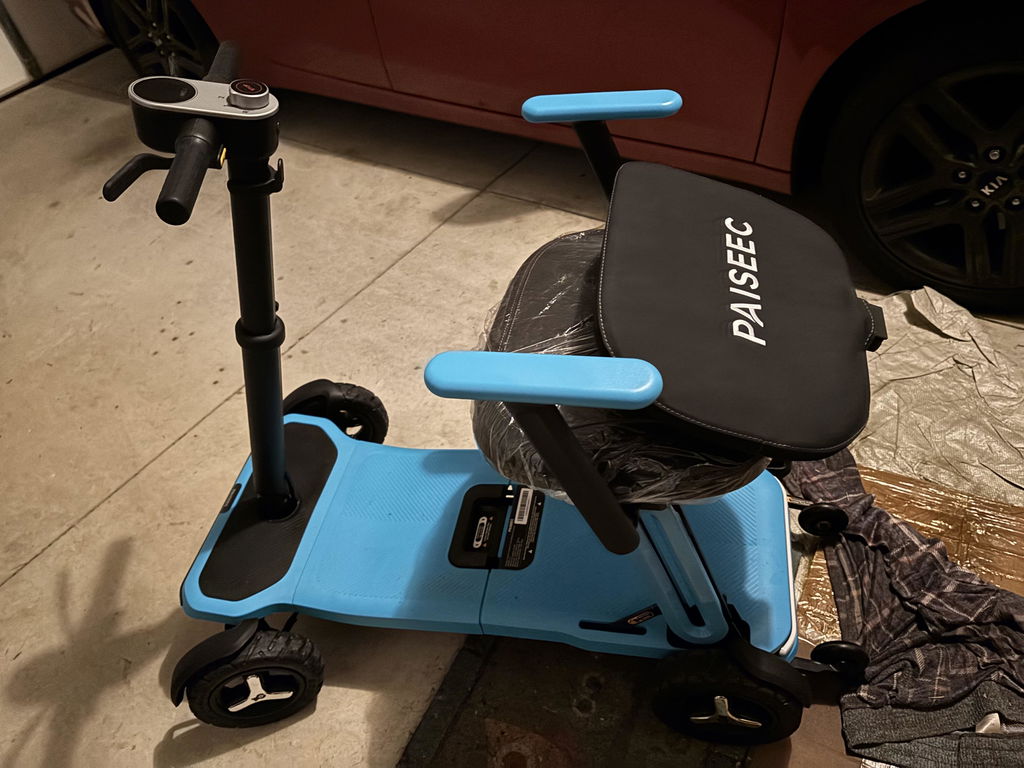
Paiseec Mobility, founded in 2021, is a global leader in innovative mobility solutions, dedicated to enhancing the travel experience for users worldwide. With over 100 experienced R&D professionals and advanced laboratories, the company has invested heavily in electric mobility research, offering high-performance scooters, electric wheelchairs, and the pioneering “PAI” intelligent riding system. Its commitment to reliability, quality testing, and user comfort embodies how the daily mobility sector continues to evolve around consumer satisfaction and sustainability.
Top Daily Mobility Products and Their Advantages
| Product/Service | Key Advantages | Ratings | Use Cases |
|---|---|---|---|
| Foldable E-Scooters | Lightweight frame, long-range battery, smart braking | 4.8/5 | Urban commuting, short-distance travel |
| Compact E-Bikes | Assisted pedaling, replaceable batteries, low charge time | 4.7/5 | Fitness commuting, leisure riding |
| Adaptive Electric Wheelchairs | High-torque motors, obstacle detection, ergonomic control | 4.9/5 | Elderly mobility, medical use |
| Shared E-Mobility Platforms | Low cost, app integration, real-time tracking | 4.6/5 | Public transport connectivity, tourism |
Each product reflects how personal transportation is evolving toward autonomy, flexibility, and environmental consciousness. Increased charging efficiencies, modular design, and improved user interfaces make these devices not only convenient but also accessible to a broader demographic, including seniors and individuals with disabilities.
Comparing Daily Mobility Brands and Technologies
| Brand | Battery Range | Motor Power | Portability | System Intelligence |
|---|---|---|---|---|
| Paiseec Mobility | 36V 12Ah | 250W | High | PAI Intelligent System |
| Bird | 33V 10Ah | 300W | Medium | App-based integration |
| Segway | 40V 15Ah | 350W | Medium | Advanced GPS Support |
| Xiaomi | 30V 10Ah | 250W | High | AI-assisted safety |
These comparisons highlight how innovation, reliability, and cost efficiency define competitive advantages. Paiseec Mobility’s integration of safety AI and user experience optimization reflects a turning point where mobility devices move beyond simple convenience into intelligent lifestyle companions.
Real User Cases and Measurable Results
Data collected from urban commuters shows that using electric mobility devices reduces travel time by up to 40% compared to traditional cars or public transport. Users also report saving nearly $800 annually on fuel and maintenance. For businesses, introducing electric scooters in delivery fleets has reduced last-mile delivery costs by 25% while cutting emissions significantly. Moreover, adaptive mobility devices have improved access to education and workplaces for users with mobility challenges, fostering greater inclusivity in urban spaces.
The Core Technologies Powering Modern Mobility
Behind every successful device lies a combination of high-efficiency lithium batteries, brushless motors, and lightweight frame engineering. Modern brushless motors produce less vibration and noise while offering smoother acceleration and longer lifespans. The integration of predictive maintenance features through AI ensures real-time system monitoring, reducing downtime for users. Battery technology continues to push the limits of energy density, enabling greater endurance and faster recharge cycles. Combined with regenerative braking systems, these innovations mark a significant step toward circular energy use in city transportation.
Everyday Benefits of Smart Mobility Adoption
Consumers prioritize not just efficiency, but also freedom of movement. Electric vehicles, scooters, and smart wheelchairs provide unparalleled convenience, allowing independent travel across dense cities where parking and congestion are persistent issues. Increased safety, app-based route planning, and theft-prevention systems further encourage adoption. Corporate users are also integrating these technologies to create sustainable work commute programs, lowering both carbon footprints and employee stress levels.
FAQs About Daily Mobility
What defines daily mobility today?
It refers to vehicles and systems that enable short-to-medium-distance commuting, emphasizing sustainability, cost-efficiency, and digital integration.
How do electric scooters and e-bikes compare in performance?
Scooters suit short commutes with portability advantages, while e-bikes offer higher speeds, longer ranges, and better physical engagement.
Are electric wheelchairs reliable for long-term use?
Yes, modern designs include advanced batteries, weatherproofing, and AI-assisted safety control, ensuring long use without performance loss.
How does smart technology enhance mobility safety?
It provides real-time data for predictive maintenance, speed monitoring, and automatic braking, reducing accident risks.
The Future of Daily Mobility: Sustainability, Autonomy, Integration
Looking ahead to 2030, daily mobility will continue to merge with broader smart city frameworks. Public and private sectors are expected to emphasize shared micro-mobility networks, renewable battery systems, and AI-managed traffic ecosystems. The future will revolve around multimodal integration—connecting personal vehicles, public transit, and pedestrian pathways seamlessly through digital mobility platforms. Sustainability goals will remain at the heart of this revolution, pushing manufacturers toward recyclable materials, solar-powered charging hubs, and zero-emission performance.
The Call to Move Smarter and Freer
Daily mobility is no longer just a transportation trend; it’s a social transformation that defines how we live, connect, and sustain our world. As electric, portable, and intelligent systems continue to evolve, embracing this change means stepping into a future defined by autonomy, efficiency, and environmental harmony. Whether through a foldable scooter, a smart wheelchair, or an electric bike, modern mobility opens doors to personal freedom and greener cities—empowering individuals to move smarter, faster, and more confidently every day.



Leave a comment
This site is protected by hCaptcha and the hCaptcha Privacy Policy and Terms of Service apply.