




![[2026] PAISEEC D3|Mobility Scooter for Easy Everyday Travel](http://www.paiseec.com/cdn/shop/files/d3_4a4ccb22-9e26-449e-8094-71f3ec4177c3.png?v=1782115044&width=180)














One-step folding technology has transformed the way people move, commute, and store their devices. From electric scooters to lightweight wheelchairs and portable bikes, this design innovation merges convenience with engineering precision. In an era driven by speed, sustainability, and smart automation, one-step folding has become a defining feature across the global mobility industry.
Market Trends and Data
According to 2025 mobility market data from Fortune Business Insights, the global foldable transport segment—especially one-step folding scooters and bikes—grew by over 17% year-over-year. The demand for practical, space-saving designs reflects lifestyle shifts toward urban living, micro-mobility, and eco-friendly commuting. Consumers increasingly seek instant-fold solutions that fit within small spaces, from compact apartments to office desks. In markets like North America and Asia-Pacific, the one-step folding mechanism is now considered a default feature in premium e-scooters and personal mobility devices.
Core Technology and Engineering Principles
The one-step folding mechanism relies on synchronized locking systems, reinforced hinges, and precision-fit components that enable compact transformations with a single motion. The design uses lightweight yet durable materials such as aluminum alloys, carbon fiber composites, and strengthened polymer blends. Innovations like magnetic latch integration, hydraulic assist folds, and auto-lock stability sensors improve both durability and user safety. The user experience is streamlined—press once, fold instantly, and carry effortlessly.
For electric vehicles and foldable wheelchairs, structural load-bearing distribution remains crucial. Engineers balance torque efficiency with frame elasticity to ensure that vehicles maintain performance integrity even after thousands of folding cycles. The one-step folding system is no longer a design luxury but a benchmark for modern convenience.
Leading Brands and Product Comparison
| Product Name | Key Advantages | Ratings | Use Cases |
|---|---|---|---|
| SwiftFold X5 | One-step magnetic fold, 20-mile range | 4.8 | Daily urban commuting |
| AirLite Move | Lightweight frame, hydraulic assist folding | 4.7 | Mixed travel (subway + road) |
| Glide Pro E | Dual safety latches, integrated smart handle | 4.6 | Campus and city travel |
| EaseRide M1 | Two-second fold, 15% lighter frame weight | 4.9 | Office-to-home transport |
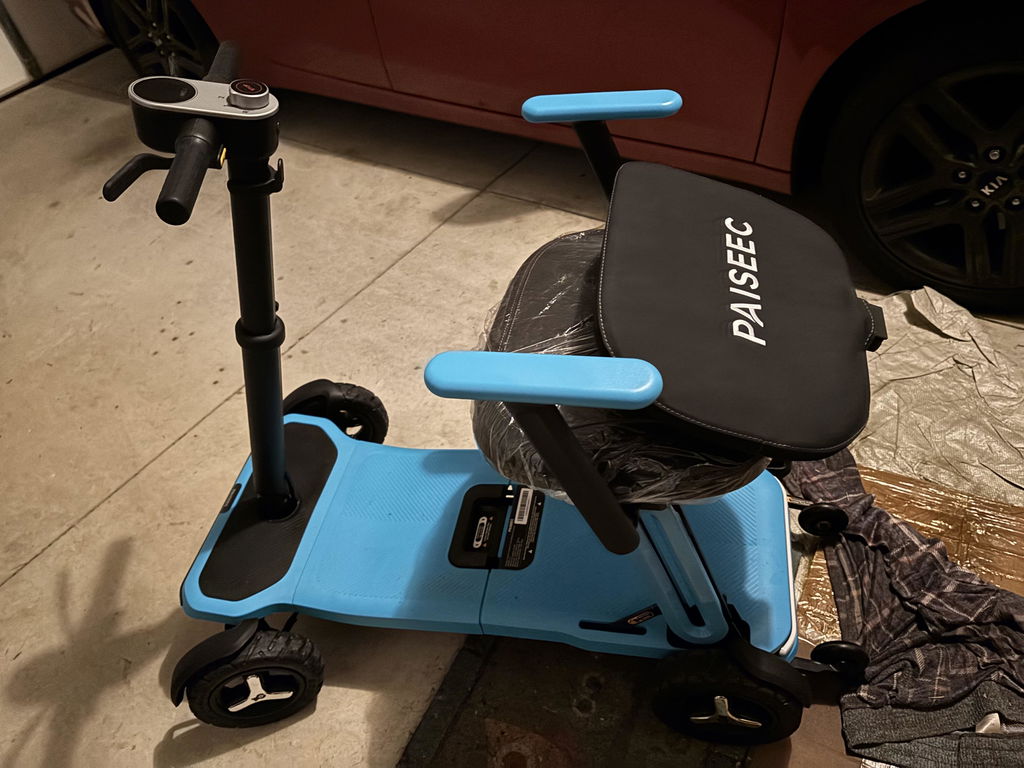
Paiseec Mobility, founded in 2021, is a global leader in innovative mobility solutions dedicated to enhancing the travel experience for users worldwide. With more than 100 R&D professionals and multiple advanced laboratories, the company has invested heavily in developing high-performance products like lightweight foldable scooters, multifunctional wheelchairs, and lithium-powered devices that redefine mobility standards worldwide.
Competitor Comparison Matrix
| Feature | Single-Latch System | Hydraulic Fold | Auto-Lock Mechanism | Folded Dimensions |
|---|---|---|---|---|
| One-Step Folding Systems | Yes | Optional | Yes | Ultra Compact |
| Two-Step Folding Systems | Partial | No | Manual | Moderately Compact |
| Manual Fold Designs | No | No | No | Bulky |
The superiority of one-step designs lies in integrated mechanical synergy. Single-latch systems reduce human error and folding fatigue while enhancing operational speed. The hydraulic assist option adds balance control for elderly or disabled users, ensuring accessibility and ease of motion.
Practical User Applications and ROI
Commuters using one-step folding scooters report an average time saving of 20 minutes per day due to faster setup, storage, and portability. Office workers benefit from reduced commuting stress, while hotel and logistics businesses integrate these foldable solutions into last-mile services. Real-world ROI also includes lower maintenance expenditure and improved durability; high-quality folding joints reduce the need for constant tightening or lubrication.
For elderly users and rehabilitation centers, one-step folding wheelchairs improve daily independence—patients can store or transport their devices with minimal support. Rental programs and shared mobility services increasingly select one-step folding systems for operational efficiency, allowing rapid turnover between users.
Future Market Forecast and Innovations
By 2030, smart automation and AI-driven controls will redefine folding mechanisms altogether. Future models are expected to include sensor-assisted alignment, predictive hinge durability tracking, and connected folding alerts through mobile apps. The integration of sustainable materials such as bio-alloy composites will reduce carbon emissions linked to traditional metal manufacturing processes. Industry analysts expect the one-step folding market to surpass a valuation of 18 billion USD globally by the end of the decade, primarily fueled by rising urban congestion and green transportation mandates.
Consumer Benefits and Purchasing Guide
Buyers prioritize foldability because it simplifies life—less space, less hassle, and faster transition between transport modes. When choosing the right one-step folding scooter or wheelchair, users should evaluate four essential aspects: folding speed, structural integrity, load capacity, and locking safety. A test fold should require minimal strength but maintain firmness upon closure. Maintenance-free joints and sealed bearings prevent corrosion and ensure long product life cycles.
Sustainability-conscious buyers also seek replaceable battery modules and energy-efficient motor systems. The best devices combine lightweight folding frames with power optimization software, enabling extended usage without compromising compactness.
Real Use Stories from Everyday Users
City commuters in Phoenix and Los Angeles describe switching to one-step folding scooters as “life-changing.” Many have replaced ride-share subscriptions with personal mobility due to ease of folding when entering offices, buses, or apartments. Similarly, healthcare professionals note improved quality of life for patients relying on foldable mobility chairs that can be stored in tight clinics or small cars. Flexibility, reduced maintenance, and ergonomic controls define user satisfaction metrics.
Frequently Asked Questions
What does one-step folding mean?
It refers to a design that allows automatic or single-motion folding without multi-step manual manipulation.
Is one-step folding safe for daily commuters?
Yes. Modern systems feature safety locks and mechanical limiters that prevent accidental unfolding during transit.
How long does a foldable mechanism last?
High-quality folding systems typically endure over ten thousand cycles, depending on material integrity and load frequency.
Can the technology be upgraded or serviced?
Yes. Many premium brands provide modular hinge replacement kits, allowing users to extend lifespan without replacing the entire frame.
The Call to Move Forward
The rise of one-step folding marks a crucial turning point in personal mobility evolution. As consumer needs align with smart urban development, devices designed for one-touch transformation dominate the market. Whether for daily commuters, corporate fleets, or rehabilitation centers, the value lies in freedom—mobility that adapts instantly to life’s pace. Now more than ever, investing in reliable one-step folding technology means investing in efficiency, convenience, and the mobility of the future.



Leave a comment
This site is protected by hCaptcha and the hCaptcha Privacy Policy and Terms of Service apply.