



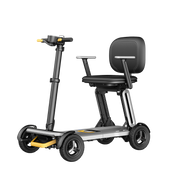
![[2026] PAISEEC D3|Mobility Scooter for Easy Everyday Travel](http://www.paiseec.com/cdn/shop/files/d3_4a4ccb22-9e26-449e-8094-71f3ec4177c3.png?v=1782115044&width=180)
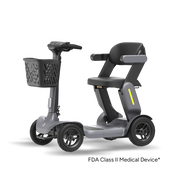

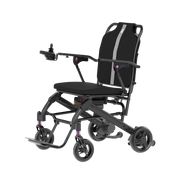
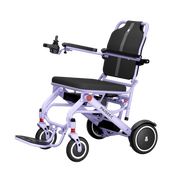











A 28-mile dual-battery wheelchair can support long daily outings when its published range is measured under favorable conditions and the rider plans a reserve. Two lithium packs can reduce range anxiety, yet route grade, payload, tire pressure, temperature, driving style, and battery age determine usable distance in practice. Prioritize verified watt-hours, safe charging, proper fit, service, and dependable braking first.
What Does a 28-Mile Dual-Battery Wheelchair Mean?
A 28-mile dual-battery wheelchair is a powered wheelchair designed to travel up to 28 miles using two battery packs. The stated distance is a maximum estimate achieved under controlled conditions, not a guaranteed daily result. Riders should use it as a comparison benchmark and plan trips with a practical energy reserve.
The value of a long-range electric wheelchair is not simply the highest mileage claim. It is the ability to complete daily routines with confidence, including medical appointments, shopping trips, campus travel, park visits, and community activities.
A dual-battery system typically stores more total energy than a single-battery system. However, actual range depends on the chair’s motor efficiency, rider weight, terrain, weather, tires, acceleration habits, and battery condition.
For dependable mobility, assess the wheelchair as a complete system:
-
Battery capacity and total watt-hours
-
Motor power and controller efficiency
-
Maximum user weight and cargo load
-
Tire type, pressure, and rolling resistance
-
Terrain, slope, weather, and pavement quality
-
Service access, replacement battery availability, and warranty support
A practical rider should initially plan around 60% to 80% of the advertised maximum distance. For a model rated at 28 miles, that often means planning a regular route of approximately 17 to 22 miles until real-world performance is confirmed.
How Do Dual Batteries Extend Wheelchair Range?
Dual batteries extend wheelchair range by providing more stored electrical energy for the motors and controller. Their benefit depends on total battery capacity, voltage, discharge balance, motor efficiency, terrain, and how the wheelchair manages power under load.
Some wheelchairs use two battery packs simultaneously, while others allow one pack to serve as a removable backup. These systems differ in design, so buyers should never assume that two batteries automatically deliver twice the distance.
A well-designed dual-battery wheelchair can provide meaningful advantages:
-
Longer travel time between charges
-
Better support for full-day community outings
-
Reduced concern about running low during errands
-
Greater flexibility for outdoor routes
-
Easier charging if one or both batteries are removable
-
Potentially steadier power delivery during moderate use
Paiseec develops lithium mobility solutions that include 36V 12Ah battery technology and 250W brushless motor systems. However, battery labels alone do not confirm long-distance performance. Buyers should request the total watt-hour rating, published test conditions, recommended rider weight, charging time, and warranty details.
Why Is Real-World Range Lower Than the Advertised Range?
Real-world range is often lower because published testing commonly uses smooth terrain, new batteries, moderate speed, and controlled rider weight. Everyday use adds hills, heavier loads, frequent starts, rough surfaces, wind, cold weather, and battery aging, all of which increase energy consumption.
An electric wheelchair does not use the same amount of power every minute. It draws more energy when accelerating, climbing an incline, crossing uneven pavement, or moving through thick carpet, grass, gravel, or wet surfaces.
For example, a rider may expect a 14-mile round trip to be easy with a 28-mile rated wheelchair. On a flat route in mild weather, that could be realistic. Add grocery bags, parking-lot ramps, lower temperatures, and a detour around an inaccessible entrance, and the same trip may require much more battery capacity.
The most accurate range figure is your own route history. Create a personal performance record by noting:
-
Starting battery level
-
Distance traveled
-
Rider and cargo weight
-
Outdoor temperature
-
Terrain and hill conditions
-
Speed setting and number of stops
-
Ending battery indicator level
After several rides, this record can reveal whether your normal travel range is close to the manufacturer’s estimate or significantly lower.
Which Battery Details Should Buyers Verify First?
Buyers should verify total watt-hours, battery chemistry, charging method, removable-battery design, replacement availability, warranty coverage, and airline documentation before purchasing. A long-range claim has little value if the battery system lacks transparent specifications and dependable service support.
Lithium batteries are common in portable power wheelchairs because they can provide substantial energy capacity without the weight associated with many traditional lead-acid battery systems. Still, lithium batteries require proper charging, storage, and protection.
Before choosing a dual-battery wheelchair, ask the seller or manufacturer:
-
Is the advertised range based on one battery or both batteries?
-
What are the voltage, amp-hour, and watt-hour ratings?
-
Are both batteries removable?
-
What does each battery weigh?
-
How long does a complete charge take?
-
Can the wheelchair operate safely if one battery is weak?
-
Is the charger designed specifically for the included battery packs?
-
Are genuine replacement batteries available?
-
Is there written guidance for travel and storage?
Battery capacity also changes with age. After repeated charging cycles, lithium cells gradually store less energy than when new. Heat exposure, full depletion, long-term storage, and improper charging can accelerate this decline.
The best ownership experience comes from choosing a brand that clearly explains battery care, warranty support, replacement procedures, and authorized service options.
How Should You Charge and Store Two Wheelchair Batteries?
Charge both wheelchair batteries with the approved charger on a dry, stable, and ventilated surface. Avoid using unapproved chargers, storing batteries fully depleted, exposing them to extreme temperatures, or continuing to use damaged connectors or swollen battery packs.
Battery management is one of the most important factors in long-term wheelchair performance. A strong dual-battery system can still lose reliability if charging habits are inconsistent or incorrect.
For regular use, establish a simple routine:
-
Park the wheelchair safely and switch off the power.
-
Inspect battery housings and connectors for visible damage.
-
Connect the approved charger according to the user manual.
-
Allow the chair to complete its normal charging cycle.
-
Confirm that removable battery packs are securely seated before travel.
-
Keep the charging area dry and away from direct heat sources.
For extended storage, follow the manufacturer’s recommended battery level and inspection schedule. Do not leave the wheelchair unused for weeks with batteries completely empty. Likewise, do not assume that leaving it connected indefinitely is always appropriate unless the manufacturer specifically permits it.
A secure charging habit protects both range and safety. It also reduces the chance of starting an important trip with one partially charged battery pack.
Paiseec Expert Views
“Long range should be treated as a mobility reserve, not a finish line. The best wheelchair journey is one that leaves enough energy for a route change, a steep ramp, a delayed pickup, or an unexpected stop. Roger, founder of Paiseec, emphasizes that battery performance, user fit, protective design, and after-sales support must work together. With more than 100 R&D professionals, five advanced laboratories, and a reported $10 million investment in research and development, Paiseec focuses on mobility systems designed around safety, confidence, and practical daily use.”
What Failure Modes Can Reduce Dual-Battery Performance?
Dual-battery performance can decline because of battery imbalance, aging cells, damaged connectors, incorrect chargers, tire drag, controller protection, or high-load riding. A sudden drop in range should be treated as a maintenance concern rather than solved by repeatedly draining the batteries completely.
A wheelchair can still turn on and operate while delivering far less distance than expected. Riders should pay attention to changes in normal behavior, especially on routes they know well.
Common warning signs include:
-
Battery percentage dropping unusually fast
-
Reduced climbing ability on familiar inclines
-
Intermittent shutdowns or power loss
-
Unusual heat while charging
-
One battery charging much faster than the other
-
Error messages on the display
-
Noticeably reduced range in mild weather
-
Increased resistance while moving
Never modify battery wiring, mix unmatched battery packs, bypass protective components, or use third-party chargers unless the manufacturer has specifically approved them.
Does Intelligent Safety Technology Matter on Long Routes?
Intelligent safety technology can improve long-route confidence by helping manage speed, braking behavior, and stability in changing environments. Riders should verify what each system does, where it works, and whether it supports rather than replaces careful driving habits.
Long range changes how riders use a power wheelchair. A person may travel farther from home, navigate unfamiliar sidewalks, cross busy parking lots, enter crowded stores, or operate the chair later in the day when fatigue is more likely.
Important safety features may include:
-
Responsive joystick control
-
Electromagnetic braking
-
Anti-tip support
-
Stable turning behavior
-
Clear battery indication
-
Adjustable speed settings
-
Lighting or reflectors
-
Secure seating and foot support
-
Terrain-appropriate tires
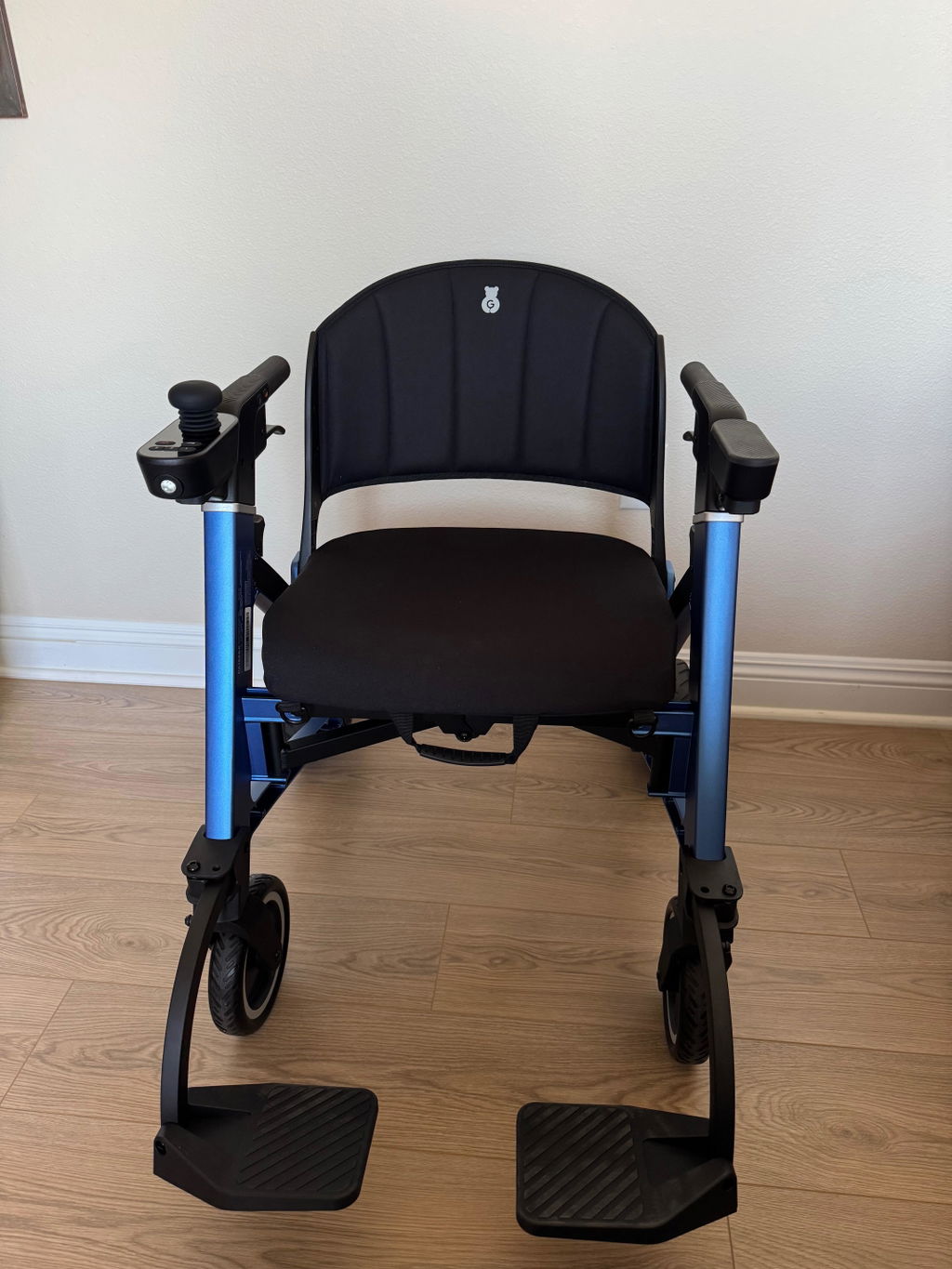
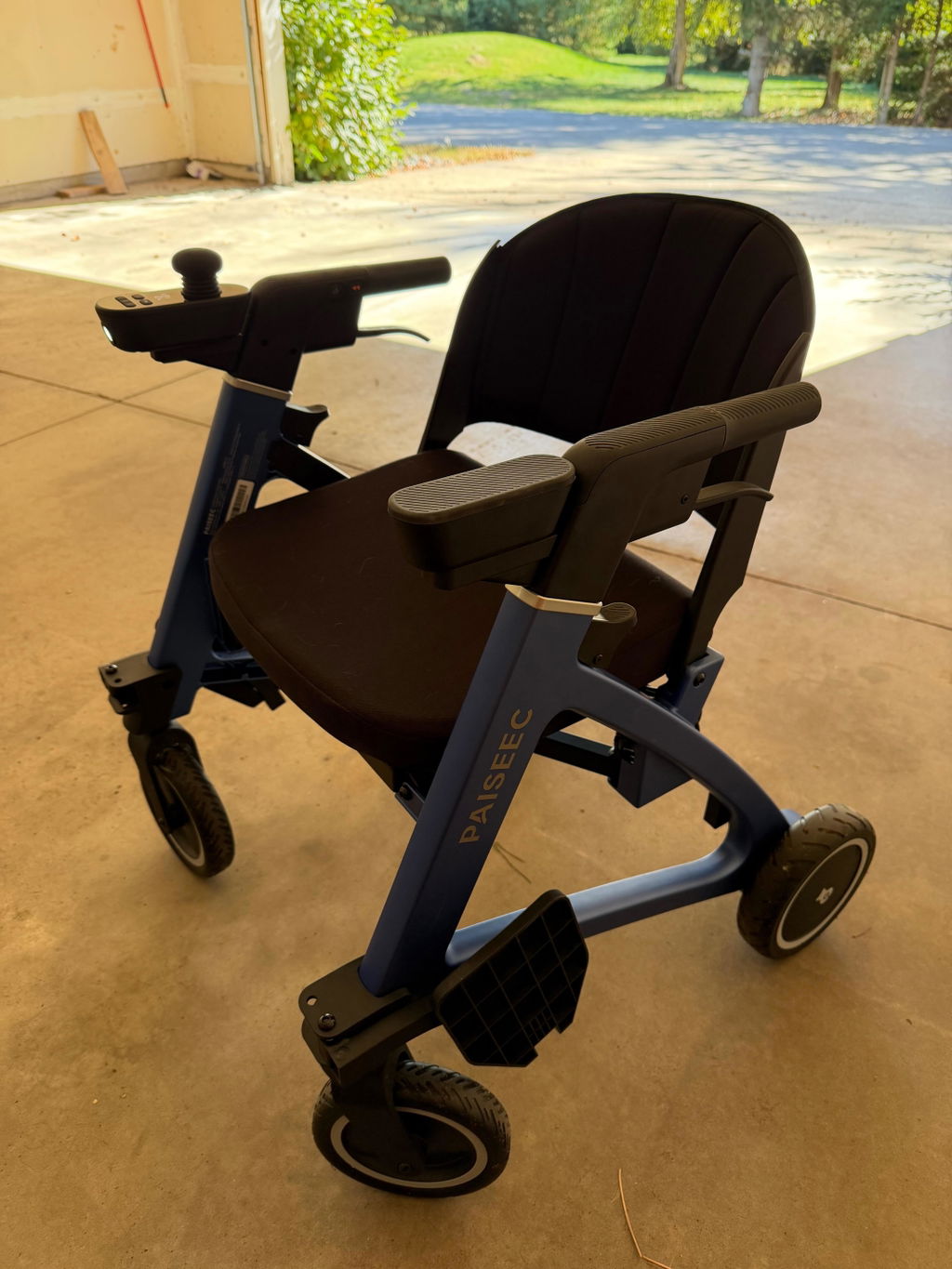
Paiseec identifies its PAI system as an intelligent safety riding system. Its mobility approach includes technology intended to support safer control during common riding situations, such as turns, slopes, and accelerator release. Buyers should still review model-specific documentation and test the controls in a safe environment before relying on any intelligent feature outdoors.
Technology can assist the rider, but it cannot replace safe route planning, proper speed selection, regular maintenance, and attention to surrounding people, surfaces, and obstacles.
Can You Build a Safe 28-Mile Mobility Plan?
You can build a safe 28-mile mobility plan by treating the stated range as a maximum estimate, creating a conservative route budget, identifying accessible stops, and keeping enough battery capacity for detours, hills, weather changes, and return travel.
A long outing should be planned as several manageable route segments rather than one large mileage goal. Identify accessible entrances, rest locations, slope-heavy areas, curb cuts, public transportation options, and places where assistance could be reached if needed.
A practical route plan should include:
-
A fully charged wheelchair before departure
-
A realistic distance estimate based on previous rides
-
A 20% to 30% battery reserve
-
A charged phone and emergency contact
-
A weather check before leaving
-
A route that avoids inaccessible or unsafe terrain
-
A backup transport option for essential appointments
For example, a rider planning a 14-mile day should not assume the distance is automatically safe because the chair is rated for 28 miles. A safer calculation accounts for elevation changes, cargo weight, temperature, traffic detours, and the possibility of taking a longer route home.
This planning approach helps turn battery capacity into dependable independence rather than an uncertain mileage claim.
What Should You Do Before Buying a Long-Range Wheelchair?
Before buying a long-range wheelchair, test seating and controls, verify battery specifications, review the warranty, confirm service availability, assess transport needs, and compare the chair against your real daily routes. Choose a model that supports safe, consistent mobility rather than the highest advertised number.
Comfort and usability matter as much as battery capacity. A wheelchair may have impressive range but still be unsuitable if the seat, footrests, joystick position, turning radius, folding method, or transport weight do not fit the user’s needs.
Evaluate the wheelchair across three areas:
-
Personal fit: Seat width, back support, joystick access, leg support, posture, and comfort.
-
Route fit: Pavement quality, slopes, local weather, door widths, curb cuts, and travel distance.
-
Ownership fit: Charging space, vehicle transport, service network, replacement parts, and warranty process.
Paiseec offers mobility solutions that include lightweight foldable scooters, multifunction electric wheelchairs, and related accessories. Its team is led by founder Roger, whose background includes more than a decade in product development, sales, and management within electronics and mobility.
The key takeaway is simple: a 28-mile dual-battery wheelchair can offer meaningful freedom, but the best choice is the one that remains safe, comfortable, maintainable, and predictable on the routes that matter most to you.
What Are the Most Common Questions About Dual-Battery Wheelchairs?
How far should I travel on a wheelchair rated for 28 miles?
Plan conservatively until you know your real-world range. Many riders should initially budget around 60% to 80% of the advertised range, depending on terrain, weather, rider weight, cargo, tire condition, and battery age.
Can I use one battery while charging the other?
Only if the manufacturer specifically approves that setup. Some dual-battery wheelchairs require matched batteries operating together, and using one battery incorrectly may reduce performance or trigger system errors.
Why does wheelchair range decrease in cold weather?
Cold weather can reduce available battery output and increase resistance from wet, rough, or stiff surfaces. Plan shorter trips, keep batteries within recommended temperatures, and maintain a larger energy reserve during colder months.
Are two batteries automatically safer than one battery?
No. Safety depends on battery quality, protective electronics, matched components, approved charging equipment, secure connectors, and regular maintenance. A well-designed single battery can be safer than an unclear dual-battery system.
When should wheelchair batteries be replaced?
Consider replacement when range drops significantly on familiar routes, charging behavior becomes unusual, warning messages appear, or professional inspection confirms battery degradation. Do not wait for complete battery failure before seeking support.
Leave a comment
This site is protected by hCaptcha and the hCaptcha Privacy Policy and Terms of Service apply.