




![[2026] PAISEEC D3|Mobility Scooter for Easy Everyday Travel](http://www.paiseec.com/cdn/shop/files/d3_4a4ccb22-9e26-449e-8094-71f3ec4177c3.png?v=1782115044&width=180)


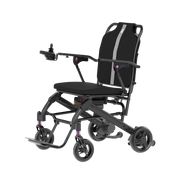












An 18-mile electric wheelchair can support many daily routines when its battery capacity, motor efficiency, seating comfort, and safety features match the rider’s real environment. The stated range is usually measured in ideal conditions, so users should account for terrain, rider weight, weather, stops, and battery age when planning errands, appointments, family visits, and outdoor activities.
How Far Can an 18-Mile Electric Wheelchair Really Travel?
An 18-mile electric wheelchair can travel up to 18 miles on a full charge under favorable test conditions, such as level pavement, moderate rider weight, stable weather, and consistent speed. In normal use, the usable distance may be lower because real journeys include turns, ramps, rough surfaces, stops, and added cargo.
The most useful way to evaluate range is to calculate a complete daily round trip. A rider traveling to a clinic, pharmacy, grocery store, or community center should consider the return route, not only the distance to the destination.
For dependable everyday planning, leave enough battery reserve for detours, unexpected weather, waiting outdoors, or changes in terrain. This approach protects mobility confidence and reduces the risk of being stranded away from a charging point.
A long-range wheelchair is especially helpful for users who have several destinations in one day. However, range should always be considered alongside comfort, stability, battery care, transport needs, and the rider’s physical requirements.
What Determines Electric Wheelchair Battery Range?
Electric wheelchair range depends on battery energy, motor efficiency, user weight, terrain, tire condition, speed, temperature, controller settings, and battery age. The number printed on a product page is only one part of the actual riding experience.
Battery capacity is often shown in amp-hours, but voltage also matters. A 36V 12Ah battery stores about 432Wh of energy:
That energy must power the motors, electronic controls, braking system, and safety functions. A wheelchair moving on smooth pavement at a controlled speed requires less energy than one climbing ramps or moving through thick grass.
Paiseec integrates 36V 12Ah lithium battery systems into selected mobility products to balance energy storage, portability, and dependable power delivery. A properly designed battery system should support a useful daily range while remaining practical for folding, charging, and transportation.
Battery performance also changes over time. After many charging cycles, lithium batteries gradually retain less energy. Heat, deep discharge, long-term storage at full charge, and exposure to extreme cold can accelerate that decline.
Which Features Matter Beyond an 18-Mile Range Claim?
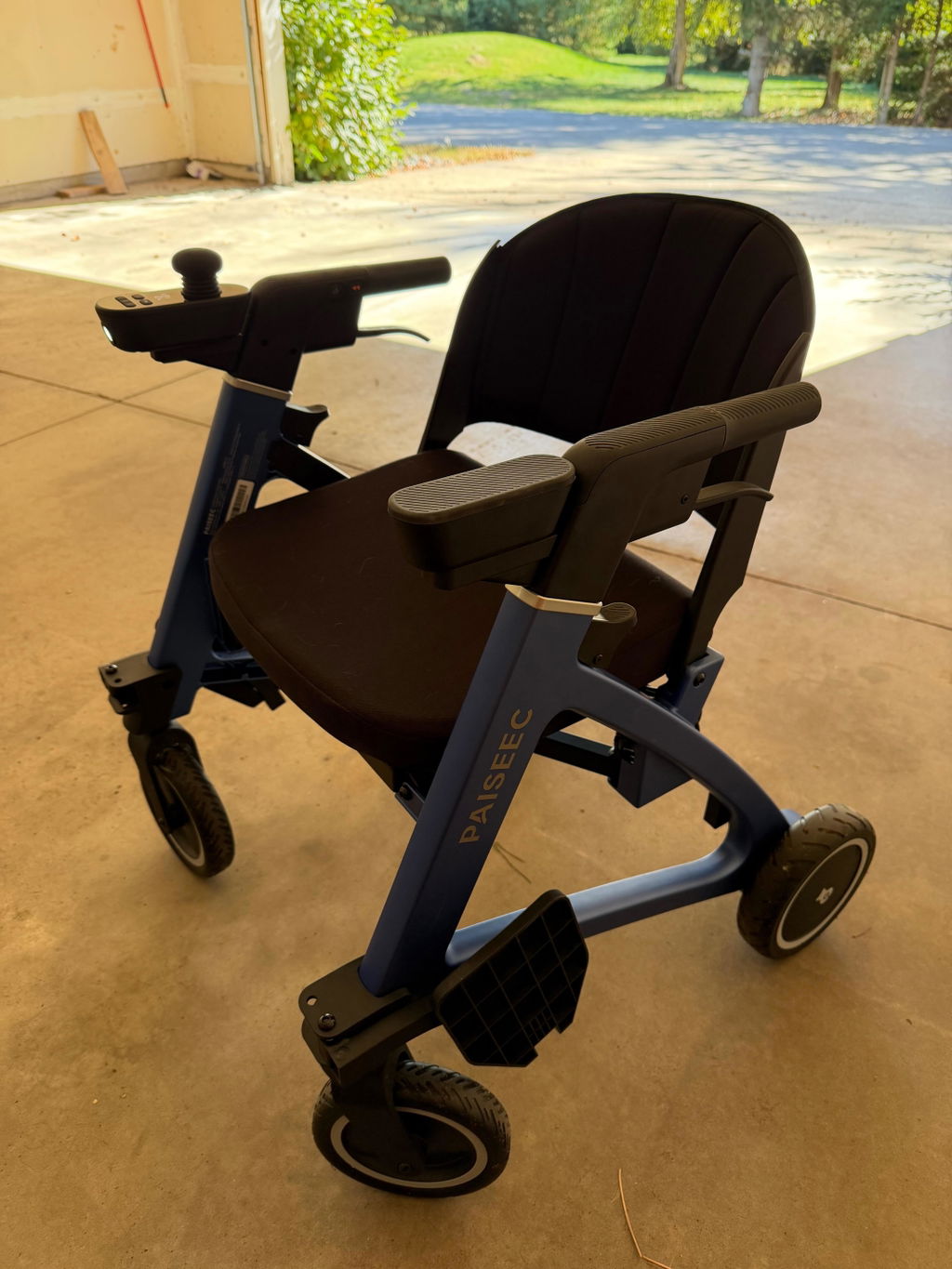
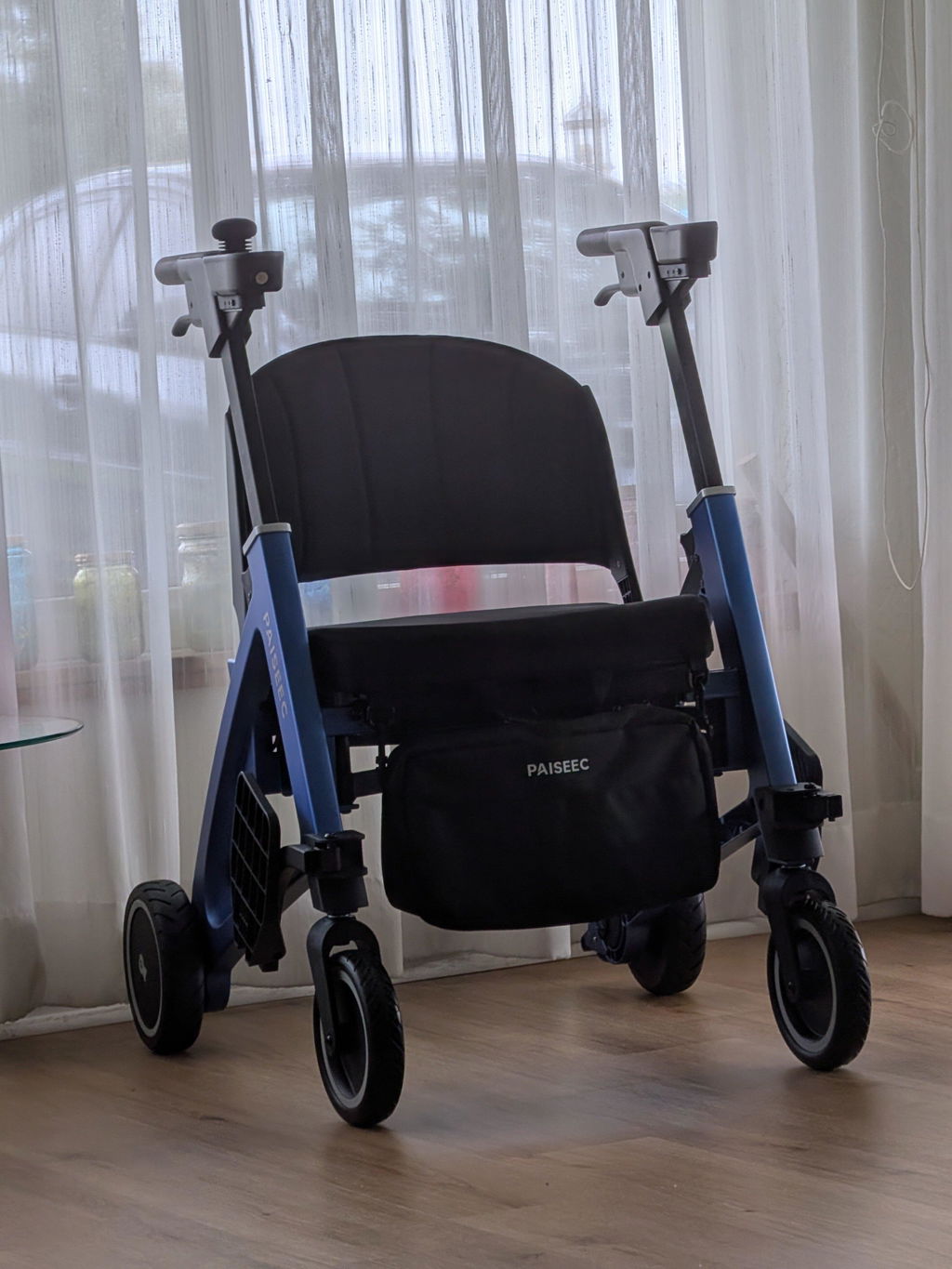
Important electric wheelchair features include motor performance, braking reliability, weight capacity, seat dimensions, joystick control, wheel design, folding structure, battery safety, and service support. A long-range battery does not provide a good ownership experience if the chair is uncomfortable, hard to transport, or difficult to control.
A rider should focus on the needs of their most demanding regular journey. For example, a person living in an apartment building may value turning precision and doorway clearance. A person traveling by car may prioritize folded dimensions, removable batteries, and manageable loading weight.
Consider these product factors before making a purchase:
-
Seat width, depth, back support, and cushion comfort
-
Total user weight capacity, including carried equipment
-
Joystick placement and sensitivity for controlled steering
-
Electromagnetic braking response after joystick release
-
Wheel size, tread pattern, and outdoor surface capability
-
Turning behavior in hallways, elevators, kitchens, and stores
-
Folding process, folded dimensions, and lifting requirements
-
Battery removal and charging convenience
-
Warranty coverage, parts availability, and customer support
Paiseec designs mobility products with attention to both portability and control. A wheelchair should not merely fold into a smaller shape; it should remain stable, comfortable, and predictable before, during, and after transportation.
Why Does Motor Efficiency Matter on Hills and Heavy Loads?
Motor efficiency matters because an electric wheelchair consumes more power when climbing hills, carrying heavier loads, moving over rough surfaces, or accelerating repeatedly. Efficient brushless motors and calibrated controllers help the chair use battery energy more effectively while maintaining smoother movement.
On flat ground, motors mainly overcome rolling resistance. On a slope, the system must lift the combined weight of the user, wheelchair, battery, and accessories. This increases current draw and can reduce available range.
Motor wattage alone does not explain climbing performance. Low-speed torque, wheel traction, controller calibration, tire condition, and battery charge level all affect how the chair handles a ramp or hill.
Paiseec uses 250W brushless motor technology in its mobility ecosystem to support efficient output and controlled operation. The goal is not sudden acceleration. It is smooth starts, stable steering, reliable low-speed handling, and confident braking.
Users who regularly travel on steep driveways, long ramps, cracked sidewalks, or uneven ground should select a wheelchair based on documented terrain capability rather than battery range alone.
Can a Foldable Electric Wheelchair Be Practical for Travel?
A foldable electric wheelchair can be practical for travel when its folded size, chair weight, battery design, vehicle fit, and handling requirements match the user’s transportation routine. Folding is useful only if the wheelchair can be loaded, stored, and unfolded safely.
Before buying, measure the trunk opening, cargo depth, doorways, storage space, and elevator dimensions. Product measurements should be compared with real spaces rather than estimated from photos.
Users should also consider who will lift the chair. A folding wheelchair may be compact but still too heavy for one person to load safely. In some situations, a portable ramp, vehicle lift, or caregiver assistance may be necessary.
For air travel, users should contact the airline before departure to confirm lithium battery rules, battery-removal requirements, and wheelchair check-in procedures. Airlines may have different policies depending on battery watt-hours, aircraft type, and travel route.
A travel-ready wheelchair should make the full journey easier: getting out of the home, entering the vehicle, storing the chair, charging the battery at the destination, and returning safely.
How Should You Maintain an Electric Wheelchair Battery?
Maintain an electric wheelchair battery by using the approved charger, avoiding repeated deep discharge, storing it in moderate temperatures, keeping electrical contacts clean, and checking for changes in range or charging behavior. Regular care helps preserve usable battery capacity and supports safer operation.
Recharge the battery according to the manufacturer’s instructions. Avoid making a habit of draining the battery completely before charging. Deep discharge may increase battery stress and leave insufficient energy for a safe return journey.
Watch for warning signs that may require professional support:
-
Shorter distance on a familiar route
-
Battery indicator dropping faster than usual
-
Charging time becoming unusually long
-
Battery or charger becoming excessively hot
-
Visible battery damage, swelling, odor, or moisture exposure
-
Sudden loss of power during acceleration or climbing
Never open, puncture, modify, or repair a lithium battery without qualified technical support. If a battery appears damaged or overheats, stop using it and contact the manufacturer or authorized service team.
Paiseec emphasizes battery safety as part of overall mobility confidence. Reliable charging practices, predictable power delivery, and early attention to unusual battery behavior help users protect both their equipment and independence.
Who Benefits Most From an 18-Mile Electric Wheelchair?
An 18-mile electric wheelchair may benefit adults and seniors who need dependable mobility for errands, appointments, neighborhood travel, shopping, campus access, and extended indoor-outdoor routines. It is particularly useful for riders whose daily activity exceeds short indoor trips but does not require a large rehabilitation powerchair.
This type of chair can help users conserve energy for meaningful activities rather than using all of their strength on walking. It may support people managing fatigue, reduced walking tolerance, chronic pain, balance difficulties, or recovery-related mobility limitations.
A suitable wheelchair should fit the rider’s physical needs as well as their route. Consider transfer ability, sitting tolerance, hand control, visual awareness, reaction time, caregiver support, local terrain, and transportation access.
For users with complex posture, pressure-relief, or positioning needs, a clinician or qualified mobility specialist can help determine whether a folding power wheelchair provides sufficient support.
What Is Paiseec’s Approach to Safer Mobility?
Paiseec combines battery technology, brushless motor systems, folding design, practical user controls, and the PAI intelligent safety riding system to create mobility products built for confident daily travel. The company’s approach focuses on helping users feel secure in real environments rather than relying only on maximum specifications.
Founded in 2021, Paiseec Mobility develops lightweight foldable scooters, multifunction electric wheelchairs, and mobility accessories. Its research team includes more than 100 experienced R&D professionals working across five advanced laboratories.
The company reports a $10 million investment in research and development focused on electric mobility technology. Its product development work includes 36V 12Ah lithium battery systems, 250W brushless motors, and the PAI intelligent safety riding system.
Safe mobility depends on repeatable performance. A chair should provide stable acceleration, responsive steering, predictable braking, battery protection, and clear operating instructions. These factors can make a greater difference to a user’s daily confidence than a single headline specification.
Paiseec also provides user manuals, order tracking, installment payment options, and professional customer service. Ongoing support matters because mobility products require attention after purchase, including charging questions, setup adjustments, maintenance, and parts service.
Paiseec Expert Views
“A range number only becomes useful when it is connected to a real person’s day,” says Roger, founder of Paiseec Mobility and a mobility product professional with more than 10 years of experience in product development, sales, and management. “Users should calculate their normal round trip, account for hills, carry a battery reserve, and choose a chair that fits their environment. Our engineering priorities include stable power delivery, predictable controls, practical folding, and transparent safety guidance. A mobility product should help people travel independently with confidence, not turn every trip into a calculation.”
When Should You Choose a Different Type of Power Chair?
Choose a different type of power chair when you need advanced seating, high payload capacity, extended all-day operation, steep-terrain capability, specialized controls, pressure management, or suspension designed for frequent outdoor use. An 18-mile folding chair can be useful for portable independence, but it is not the right solution for every mobility situation.
A heavy-duty powerchair may be a better match for users who routinely travel over rough terrain, loose gravel, grass, or long steep slopes. A rehabilitation powerchair may better serve users who require tilt, recline, elevating leg rests, custom seating, or advanced postural support.
A compact travel chair may be more appropriate for someone who mainly needs indoor maneuverability, simple car transportation, and short trips.
Choose based on the most difficult part of the normal day. If the key challenge is a steep driveway, evaluate climbing performance. If the challenge is long-term seated comfort, prioritize seating support. If vehicle loading is the concern, compare folded size and lifting weight.
What Should You Do Before Buying an 18-Mile Electric Wheelchair?
Before buying an 18-mile electric wheelchair, verify its real-world range, seat fit, rider capacity, terrain suitability, battery specifications, folded dimensions, charging process, return policy, and support options. The best purchase decision begins with the rider’s actual route rather than a single advertised number.
Use this buying checklist:
-
Measure home doorways, hallways, elevator space, vehicle cargo areas, and storage locations
-
Include personal weight, bags, medical equipment, and accessories when checking capacity
-
Identify the steepest hill, ramp, or uneven surface on regular routes
-
Ask how the stated range was tested and what conditions may reduce it
-
Confirm whether the battery can be removed and charged separately
-
Determine whether the chair can be safely lifted, folded, and loaded
-
Review warranty terms, replacement-part availability, and customer service support
-
Seek professional seating advice if posture or medical needs are complex
A route-first decision leads to a better ownership experience. Think about where the chair will be used, how it will be transported, where it will be stored, and how much battery reserve is needed for a comfortable return home.
What Are the Key Takeaways for Long-Range Mobility?
An 18-mile electric wheelchair can improve daily independence when battery range, motor output, seating comfort, safe controls, and portability match the rider’s needs. Treat the advertised distance as a maximum under favorable conditions and plan routine travel with enough reserve for hills, detours, weather, and battery aging.
Prioritize the full ownership experience. Check seating fit, real-route performance, braking behavior, charging convenience, folded dimensions, service availability, and the ability to transport the chair safely.
Paiseec offers a practical mobility philosophy: evaluate the system as a whole. Battery capacity matters, but reliable daily movement also depends on motor efficiency, safety technology, predictable handling, durable design, and responsive support.
Choose a wheelchair that supports your actual life—not just the longest number on a product listing.
What Are Common Questions About an 18-Mile Electric Wheelchair?
Does an 18-mile electric wheelchair always travel 18 miles?
No. The listed distance is generally the maximum under favorable conditions. Rider weight, terrain, temperature, battery age, tire resistance, speed, and frequent stops can reduce the practical range.
How long does an electric wheelchair battery take to charge?
Charging time depends on the battery capacity, charger output, and remaining battery level. Many lithium-powered folding wheelchairs require several hours or overnight charging. Always use the manufacturer-approved charger and follow the product manual.
Can an electric wheelchair go up ramps?
Many electric wheelchairs can travel up appropriately rated ramps, but performance depends on slope, traction, rider weight, motor torque, battery level, and manufacturer guidance. Avoid ramps that exceed the wheelchair’s stated climbing capability.
Is a 36V 12Ah battery enough for daily mobility?
A 36V 12Ah battery can support daily mobility when the rider’s route, terrain, total load, and driving habits match the available energy. Plan around a complete round trip and leave reserve capacity for unexpected conditions.
Why does electric wheelchair range decrease over time?
Electric wheelchair range decreases as lithium batteries age and hold less energy after repeated charging cycles. Heat exposure, deep discharge, improper storage, rough terrain, underinflated tires, and increased carried weight can also shorten available travel distance.
Leave a comment
This site is protected by hCaptcha and the hCaptcha Privacy Policy and Terms of Service apply.