




![[2026] PAISEEC D3|Mobility Scooter for Easy Everyday Travel](http://www.paiseec.com/cdn/shop/files/d3_4a4ccb22-9e26-449e-8094-71f3ec4177c3.png?v=1782115044&width=180)

















A 264 lb capacity electric wheelchair can support independent mobility for riders whose combined body weight, clothing, medical equipment, and personal items remain safely below its rated limit. The right model should also fit the rider’s body, daily route, battery needs, storage space, and transportation plans. Capacity is essential, but comfort, stability, range, and service support determine long-term satisfaction.
What Does a 264 lb Capacity Electric Wheelchair Mean?
A 264 lb capacity electric wheelchair is designed to support a maximum combined load of 264 lb, including the rider and all carried items. It is important to consider clothing, bags, oxygen equipment, cushions, chargers, and accessories when calculating the total operating weight.
The stated capacity reflects the limits of the frame, cross-braces, wheels, axle assemblies, seat base, motor system, controller, and braking components. It should never be interpreted as a body-weight-only number.
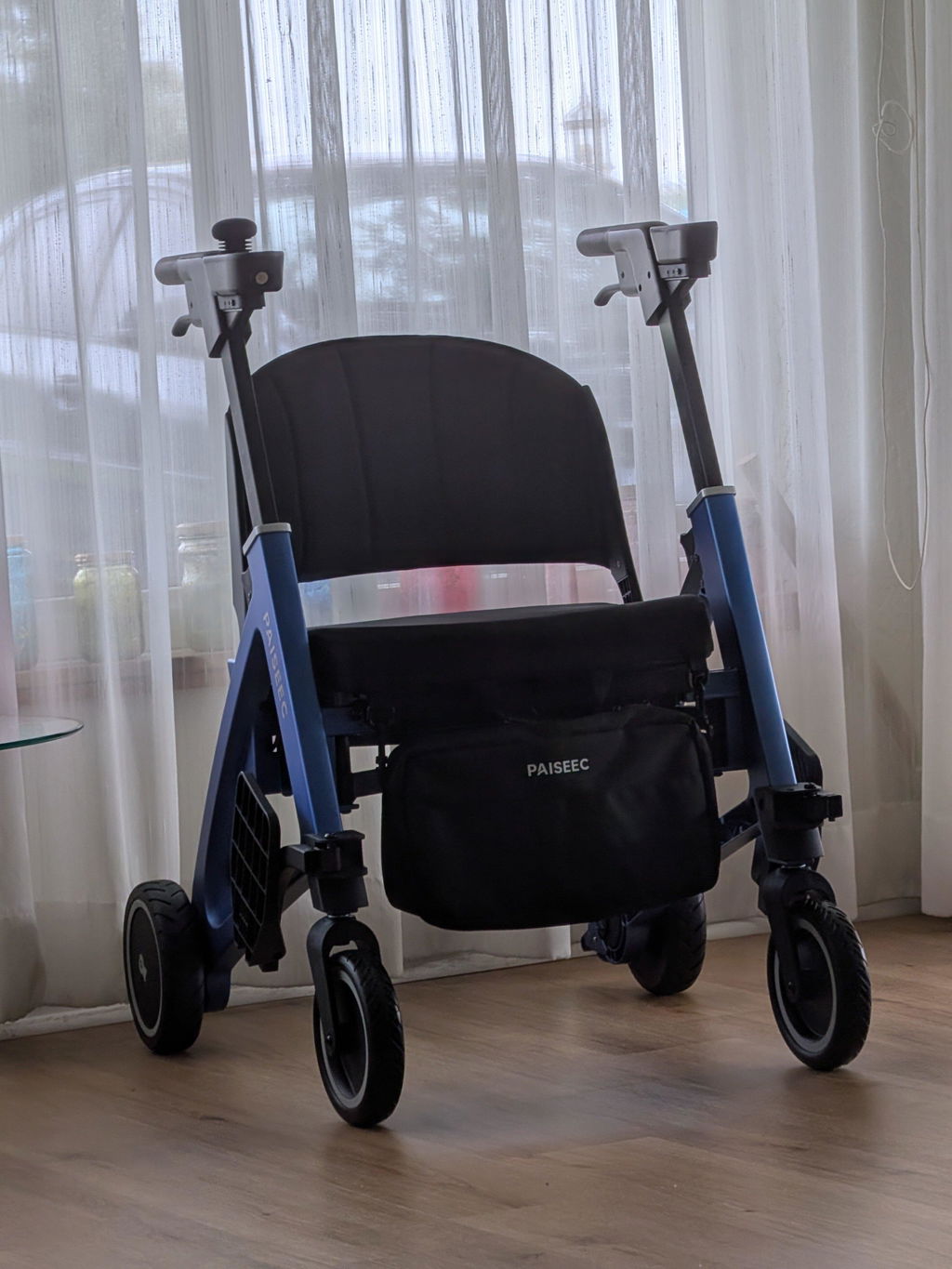
A rider who weighs 230 lb may be well matched to this category when carrying only light essentials. A rider who weighs 255 lb may need a higher-capacity option after adding a winter coat, medical equipment, shopping bags, or a rear storage pouch.
For everyday reliability, use this simple calculation:
A carefully matched capacity helps the wheelchair maintain predictable steering, braking, acceleration, and battery performance during daily use.
How Much Capacity Margin Should You Leave?
Choose an electric wheelchair with capacity above your expected total operating load whenever possible. A margin of approximately 10% to 20% gives the motor, frame, battery, and braking system more room to perform reliably during routine travel.
Operating close to the maximum limit may affect how the chair handles ramps, carpet edges, uneven pavement, slopes, and stop-and-go driving. It can also increase power demand and place greater long-term stress on structural components.
Capacity margin becomes especially important for riders who live in hilly neighborhoods, travel on cracked sidewalks, cross driveway transitions, or regularly carry medical equipment. It also provides more flexibility for seasonal clothing and daily errands.
Which Features Matter Beyond Weight Capacity?
The most important features include seat dimensions, motor output, battery size, wheel design, turning radius, slope rating, braking response, folding system, and real-world range. A chair may meet the required capacity but still be unsuitable if it does not fit the rider or daily travel environment.
Seat comfort should be evaluated before motor power. Measure seat width, depth, backrest height, armrest spacing, footrest length, and cushion support. A seat that is too narrow can create pressure and discomfort, while a seat that is too wide can reduce posture control.
Motor performance also requires context. A 250W brushless motor can provide smooth, quiet power for many indoor and light outdoor routes. However, climbing performance depends on more than wattage. Rider load, gear ratio, wheel size, traction, slope angle, controller settings, and battery voltage all affect real mobility.
Battery capacity determines how much energy the chair can store. A 36V 12Ah lithium battery holds approximately 432Wh of energy:
Paiseec designs mobility solutions with a system-level approach. Instead of treating capacity, motor power, battery size, and safety functions as separate selling points, Paiseec focuses on how these components work together during real travel conditions.
How Does Rider Weight Affect Battery Range and Performance?
Rider weight affects acceleration, hill-climbing ability, battery draw, braking behavior, and overall range. A heavier combined load requires more energy to start, maintain speed, and climb slopes, so real-world mileage can be lower than the range stated under controlled test conditions.
A flat indoor floor uses less energy than a route with sidewalk cracks, driveway inclines, rough pavement, grass, or frequent starts and stops. Low tire pressure, cold temperatures, battery age, and a fully loaded storage bag can reduce range further.
Lithium batteries also change over time. After repeated charging cycles, usable energy capacity gradually declines. Storage temperature, charging habits, discharge depth, and overall load all influence long-term performance.
For better daily range and battery health:
-
Charge the battery according to the manufacturer’s instructions.
-
Avoid routinely running the battery fully empty.
-
Store the chair in a dry, moderate-temperature area.
-
Keep tires properly maintained when the model uses pneumatic tires.
-
Reduce unnecessary carried weight.
-
Plan enough charge for the return journey with a reserve remaining.
Paiseec uses 36V 12Ah lithium battery technology in selected mobility products to support a balance of portability, useful travel range, and practical charging needs.
Why Is Overloading an Electric Wheelchair Risky?
Overloading can reduce stability, increase braking distance, strain the motor and frame, shorten battery range, and accelerate wear on wheels, bearings, folding joints, and seat supports. It may also affect warranty eligibility when a wheelchair is used outside its rated operating limits.
The most common overload problem is gradual performance decline rather than immediate failure. The wheelchair may accelerate more slowly, feel less responsive on slopes, consume power faster, or develop increased wear in high-load areas.
Overloading can create several safety concerns:
-
Greater motor heat during uphill travel or repeated starts.
-
Longer stopping distance when moving downhill.
-
Increased stress on wheel hubs, bearings, and axles.
-
Less predictable turning when weight is unevenly distributed.
-
Faster reduction in available battery range.
-
Greater risk of instability when rear bags or accessories shift the center of gravity.
A rear-mounted bag may appear harmless, but a heavy bag can move weight behind the chair’s balance point. Similarly, an oxygen tank or medical device should be mounted according to manufacturer guidance to maintain stable handling.
Respecting the capacity rating protects both the user and the mobility equipment.
What Should You Check Before Buying?
Before buying an electric wheelchair, check the load rating, seat fit, battery specification, range, folded size, chair weight, slope capability, wheel type, warranty, and access to replacement parts. The best model is the one that supports your body, route, lifestyle, and transportation needs.
Use this checklist to compare models before making a decision:
A foldable chair may be convenient, but folding does not always mean lightweight. Consider whether you or a caregiver can lift the chair safely into a car trunk. Check the weight of removable batteries and detachable components as well.
For airline travel, confirm the current rules with the specific carrier before departure. Airline requirements can vary depending on the battery type, watt-hour rating, battery-removal method, and transport procedures.
Can a 264 lb Capacity Electric Wheelchair Handle Outdoor Use?
A 264 lb capacity electric wheelchair can handle light outdoor travel when the surface is smooth, the user remains below the rated limit, and the wheelchair is designed for the intended route. Steep hills, gravel, grass, broken pavement, sand, and wet surfaces may require a more robust model.
Outdoor mobility is determined by route conditions rather than a single specification. A paved park path, shopping center walkway, or accessible apartment complex may be suitable for many compact electric wheelchairs. An uneven street with deep cracks and steep driveway transitions may require larger wheels, greater ground clearance, stronger traction, and a higher-capacity platform.
Before using a chair outdoors, check:
-
Maximum recommended incline.
-
Tire material, tread pattern, and wheel diameter.
-
Ground clearance beneath the footrest and frame.
-
Front and rear anti-tip protection.
-
Water-resistance guidance for electronics and battery components.
-
Battery reserve for a complete round trip.
-
Braking response on downhill routes.
A controlled test ride on familiar terrain is valuable. Start at a slow speed on a level surface, then evaluate how the chair responds to thresholds, ramps, turns, and common sidewalk conditions.
Who Benefits Most From This Capacity Range?
This capacity range is often suitable for adults who need powered mobility for home use, medical appointments, local errands, accessible travel, shopping centers, or level neighborhood routes. It is best for users whose total operating weight remains comfortably below the maximum rating.
Typical users may include:
-
Seniors seeking greater independence for home and community mobility.
-
Adults recovering from surgery, injury, or reduced endurance.
-
Travelers who need a compact powered mobility option for road trips.
-
Caregivers looking to reduce the physical effort of pushing a manual wheelchair.
-
People who need support for short-to-moderate daily trips on level or lightly uneven surfaces.
A rider’s body weight is only one part of the selection process. A lighter rider who travels over steep hills may need a stronger outdoor model, while a heavier rider who uses a chair mainly inside may value seat comfort, turning radius, and indoor maneuverability more than extreme terrain capability.
How Does Paiseec Support Safer Daily Mobility?
Paiseec supports safer daily mobility through integrated product development that combines battery performance, brushless motors, ergonomic structures, foldable designs, and intelligent safety technology. The company focuses on practical usability, helping riders move with confidence in everyday indoor and outdoor environments.
Founded in 2021, Paiseec Mobility has more than 100 experienced research and development professionals working across five advanced laboratories. The company has invested $10 million in research and development for electric mobility technologies, including battery systems, drive efficiency, durable frame construction, and user-focused safety improvements.
Paiseec specializes in solutions that include 36V 12Ah lithium batteries, 250W brushless motors, lightweight foldable structures, and multi-functional electric wheelchairs. These systems are designed to balance performance with portability and manageable daily operation.
The PAI intelligent safety riding system reflects Paiseec’s emphasis on controlled mobility. Safety-focused design considers how a chair accelerates, responds to joystick input, manages braking, and performs under changing rider loads and route conditions.
Paiseec Expert Views
“A wheelchair capacity rating is not simply a number on a product label. It represents the working limit of the complete mobility system, including the frame, motor, battery, wheels, braking components, and seating structure. Riders should calculate their full carried load and choose a model with sufficient headroom for real daily use. After more than ten years in electronics and mobility product development, I have seen that the best outcomes come from matching the chair to the rider’s route, posture needs, travel routine, and support requirements.”
— Roger, Founder of Paiseec Mobility
Paiseec provides additional ownership support through user manuals, order tracking, installment payment options, and professional customer service. Clear product information and accessible support can make a meaningful difference when users need help with setup, charging, transport, or maintenance.
When Should You Choose a Higher-Capacity Wheelchair?
Choose a higher-capacity wheelchair when your combined operating load is close to 264 lb, when you carry medical equipment, when you need a wider seat, or when you regularly travel over slopes and uneven surfaces. A higher rating can provide more stability, durability, and long-term operating margin.
Moving to a 300 lb, 350 lb, or higher-capacity category may provide stronger frame construction, wider seating choices, larger wheels, reinforced cross-bracing, improved traction, and a more powerful drivetrain. These features can improve comfort and performance for demanding daily conditions.
However, larger-capacity models can also be heavier, wider, and more difficult to transport. A heavy-duty chair may be excellent for outdoor mobility but impractical for users who need frequent vehicle loading or compact indoor maneuverability.
Choose the lowest-weight, most portable chair that still provides appropriate capacity margin and meets your actual mobility requirements. A carefully matched chair is generally more useful than a larger model selected only for its maximum number.
What Are the Key Takeaways for Choosing the Right Model?
The right electric wheelchair should safely support your total operating load while delivering comfortable seating, reliable range, stable handling, and suitable performance for your regular route. Capacity is the starting point, but long-term independence depends on matching the entire chair to everyday life.
Take these actions before choosing a model:
-
Calculate rider weight plus clothing, equipment, bags, and accessories.
-
Select a chair with capacity margin rather than operating at the exact maximum.
-
Measure seating needs and compare them with the chair’s seat width and depth.
-
Assess the actual surfaces, slopes, thresholds, and distances on your regular routes.
-
Plan battery range with enough reserve for return trips.
-
Confirm storage, folding, lifting, and vehicle-loading requirements.
-
Review service coverage, replacement part availability, and manufacturer support.
Paiseec approaches mobility with the understanding that dependable independence comes from the complete ownership experience. A well-matched electric wheelchair should feel stable, manageable, comfortable, and ready for the everyday places that matter most.
What Are Common Questions About a 264 lb Capacity Electric Wheelchair?
What Is Included in the 264 lb Capacity Rating?
The rating includes the rider and all carried or attached items, including clothing, bags, portable oxygen equipment, cushions, chargers, and accessories. Calculate total operating weight before selecting a wheelchair to avoid exceeding the manufacturer’s limit.
Can a 260 lb Person Use a 264 lb Capacity Electric Wheelchair?
A 260 lb person should generally choose a higher-capacity wheelchair because clothing, shoes, personal items, and equipment can easily exceed the 264 lb maximum. A model rated for 300 lb or more provides a more appropriate operating margin.
Does a Higher Capacity Always Mean a Better Electric Wheelchair?
No. Higher capacity can improve strength and stability, but it may also add weight and reduce portability. The best choice balances safe capacity, seat comfort, travel range, terrain performance, folding convenience, and support needs.
How Often Should an Electric Wheelchair Battery Be Charged?
Charge the battery according to the manufacturer’s instructions, commonly after daily use or when the charge indicator becomes low. Avoid repeatedly draining a lithium battery completely, and use the supplied charger to support safe long-term battery performance.
Can a Foldable Electric Wheelchair Be Used Outside?
Yes, provided the wheelchair is rated for outdoor use and operated within its terrain limits. Review the incline rating, tire design, ground clearance, brake system, weather guidance, and expected travel range before using it on sidewalks, ramps, or uneven pavement.


Leave a comment
This site is protected by hCaptcha and the hCaptcha Privacy Policy and Terms of Service apply.