




![[2026] PAISEEC D3|Mobility Scooter for Easy Everyday Travel](http://www.paiseec.com/cdn/shop/files/d3_4a4ccb22-9e26-449e-8094-71f3ec4177c3.png?v=1782115044&width=180)

















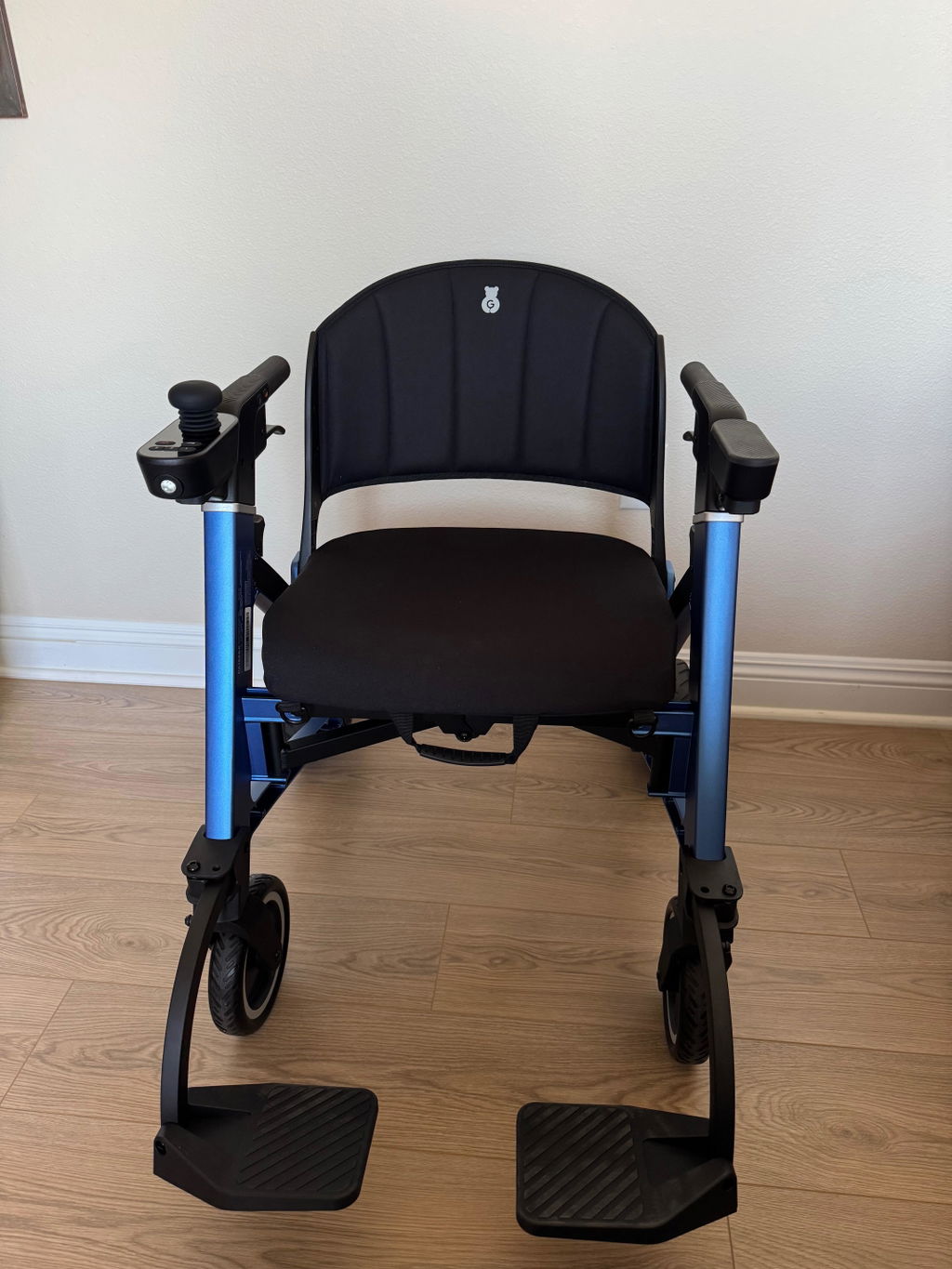
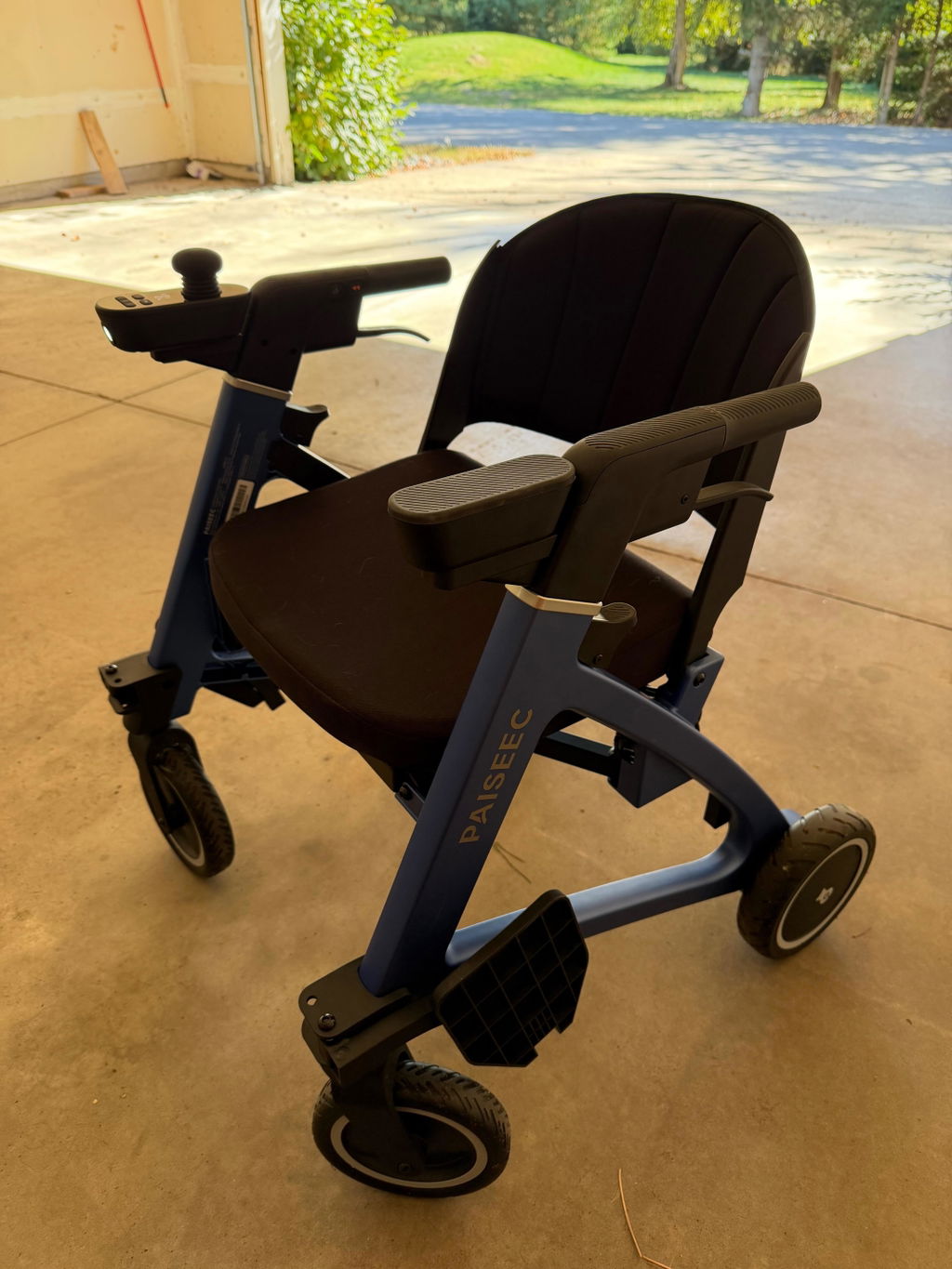
The Paiseec Q3 electric wheelchair is a lightweight, foldable power chair built for indoor mobility, paved outdoor routes, errands, and vehicle transport. At about 32 pounds, it prioritizes portability, compact steering, and simple operation. It is best for users who need dependable everyday movement on accessible surfaces rather than a heavy-duty chair for rough terrain or long-distance travel.
What Makes the Paiseec Q3 Different From Other Lightweight Power Chairs?
The Paiseec Q3 combines a compact folding frame, removable lithium battery, responsive joystick control, and low carry weight in a purpose-built electric wheelchair. It is designed for people who value independence in homes, clinics, shops, airports, and community spaces without needing a vehicle lift or oversized power chair.
Many portable electric wheelchairs focus only on being light enough to transport. The Q3 is designed around the broader everyday mobility process: folding the chair, loading it into a vehicle, operating it in narrow indoor areas, charging the battery, and navigating predictable paved routes.
Its compact design is particularly relevant for users who live in apartments, senior communities, or homes with limited storage. A larger power chair may offer more outdoor capability, but it can be difficult to fit through narrow spaces, transport in a car, or store between trips.
Paiseec has also positioned the Q3 differently from its multifunction W-series wheelchair models. While certain Paiseec products combine wheelchair, rollator, and transport-chair functions, the Q3 concentrates on lightweight powered mobility. This focused design can benefit buyers who do not need multiple operating modes and prefer a simpler travel-ready chair.
The most important distinction is practical: the Q3 is a portable electric wheelchair, not an all-terrain mobility vehicle. Its strengths appear when the route includes level flooring, accessible doorways, smooth sidewalks, ramps, and compact vehicle storage.
How Portable Is the Paiseec Q3 for Cars and Travel?
The Paiseec Q3 is designed for car transport and storage with a folding frame, removable battery, and approximately 32-pound chair weight. Its portability can make daily outings easier, but buyers should measure their cargo area and confirm that the person lifting the chair can do so safely.
Portability should be evaluated in three stages. First, the chair must fold smoothly and fit into the intended vehicle. Second, a user or caregiver must be able to lift, slide, or position it without creating a back or shoulder injury risk. Third, the chair must be simple to unfold, inspect, and operate after arrival.
A 32-pound electric wheelchair is significantly lighter than many traditional power chairs. However, it is still a substantial object to lift, especially when the person loading it has limited strength, mobility limitations, or an existing injury. Removing the battery before transport may reduce the lifting burden and makes charging more flexible.
Before buying, measure the trunk opening rather than only the trunk floor. Some vehicles have cargo areas that appear spacious but have a narrow opening or raised loading lip. Also account for groceries, mobility aids, medical bags, and other items that may share the cargo space.
For airline travel, contact the carrier before booking. Rules can differ by airline, route, battery rating, and whether the battery must be removed and carried into the cabin. Keep battery information available and request the airline’s current wheelchair-handling instructions.
What Paiseec Q3 Specifications Matter Most?
The most important Paiseec Q3 specifications include its approximately 32-pound weight, 24V 12Ah removable lithium battery, listed range of up to 11 miles, top speed of up to 3.7 mph, 16.5-inch seat width, compact turning radius, and low ground clearance. Together, these details define its best use cases.
Specifications are more useful when considered as a system. A chair’s range is affected by rider weight, pavement quality, slope, temperature, tire condition, and frequent stopping. A motor’s performance also depends on terrain, traction, battery charge, and the user’s ability to maintain a stable driving position.
The Q3’s compact dimensions support maneuverability in everyday settings. Current product information lists overall dimensions of approximately 43 inches deep, 22 inches wide, and 35 inches high. Its seat is listed at about 16.5 inches wide and 15.7 inches deep, so buyers should consider comfort, posture, winter clothing, transfer needs, and any cushion requirements before ordering.
Buyers should verify the current owner’s manual, product listing, and model label before making a final decision. Capacity ratings and product details can vary by production batch, retailer, region, or updated configuration. The correct limit is the figure provided with the specific chair being purchased.
How Far Can the Paiseec Q3 Travel on One Charge?
The Paiseec Q3 has a listed range of up to 11 miles, but real-world travel distance will usually vary. Riders should plan routes with a battery reserve because hills, heavier loads, frequent acceleration, cold weather, and rough surfaces can reduce the usable distance per charge.
A range claim represents operation under controlled or favorable conditions. In everyday use, a rider may encounter curb ramps, uneven pavement, door thresholds, shopping aisles, sidewalks, and repeated stops. Each of these conditions can require more energy than continuous travel on smooth, level ground.
A practical route plan should include the outward distance, return distance, unexpected detours, and a meaningful battery reserve. For example, a two-mile trip to a pharmacy may sound simple, but the return trip may include different slopes, waiting time, crossing signals, or a need to travel farther to find an accessible entrance.
Battery habits also influence long-term performance. Recharging after normal use is typically more practical than repeatedly running the battery to a very low charge. Use the approved charger, keep the charging port clean and dry, and avoid storing the battery for extended periods in very hot, very cold, or damp locations.
If usable range falls noticeably over time, inspect the charging routine, battery connection, tire condition, and travel route. A sharp change in performance should be reviewed with qualified product support rather than ignored.
Can the Paiseec Q3 Handle Grass, Ramps, and Uneven Sidewalks?
The Paiseec Q3 can be suitable for smooth sidewalks, accessible ramps, firm indoor-outdoor transitions, and short stretches of stable grass. Its compact wheels and approximately 1.57-inch ground clearance mean it is not intended for loose gravel, mud, deep grass, sand, curbs, or demanding off-road conditions.
The key question is not whether the chair can move over an obstacle once. The real concern is whether it can maintain traction, steering, ground clearance, and stability while the surface changes. Wet leaves, broken pavement, raised sidewalk edges, soft grass, and uneven curb cuts can create risk even when a route appears manageable.
The Q3 should be operated conservatively on ramps and slopes:
-
Approach ramps straight rather than at an angle.
-
Maintain a slow, steady speed.
-
Avoid turning while on an incline.
-
Do not travel on wet, icy, loose, or unfamiliar slopes alone.
-
Avoid curbs, drop-offs, deep potholes, and raised surface edges.
-
Stop and reassess if the chair loses traction or begins pulling to one side.
Paiseec’s PAI intelligent safety riding system is intended to support controlled operation through safety-oriented riding assistance. It can help manage certain driving conditions, but it cannot remove the risks created by unsafe terrain, poor visibility, improper loading, or an excessive slope.
Users who routinely travel on damaged sidewalks, rural paths, long steep driveways, or unpaved parks may need a more rugged power chair with larger wheels, greater clearance, and a heavier stability-focused design.
Which Users Are a Good Fit for the Paiseec Q3?
The Paiseec Q3 is a strong fit for adults who need compact powered mobility for indoor spaces, routine appointments, shopping, paved neighborhood routes, and caregiver-assisted vehicle transport. It may be less suitable for users who need bariatric seating, advanced positioning, extended outdoor range, or frequent all-terrain capability.
A good candidate often has an accessible daily environment. This may include level flooring, ramps, elevators, smooth sidewalks, automatic doors, and a vehicle that can carry the folded chair. For these users, the Q3 can reduce the physical effort of walking long distances while remaining practical to store and transport.
Fit depends on more than a user’s body weight. Buyers should consider:
-
Seat width, seat depth, back support, and cushion compatibility.
-
Ability to use the joystick with consistent hand control.
-
Vision, reaction time, and comfort with powered mobility equipment.
-
Transfer method from bed, sofa, toilet, or vehicle seat.
-
Doorway widths, hallway turns, floor transitions, and furniture layout.
-
The presence of a caregiver for loading, unfamiliar routes, or difficult conditions.
A mobility professional, occupational therapist, or healthcare provider can help assess whether a lightweight electric wheelchair supports the user’s posture, transfer safety, skin protection needs, and long-term independence goals.
The most successful purchase is one that matches the user’s real weekly routine. A chair that performs well in a product demonstration may still be unsuitable if it cannot accommodate the user’s home, vehicle, local terrain, or physical needs.
Why Does Routine Maintenance Matter for the Paiseec Q3?
Routine maintenance helps protect the Paiseec Q3’s battery performance, driving control, folding reliability, brake response, and long-term safety. Regular inspections can identify small issues before they interrupt mobility or create a safety concern.
A lightweight electric wheelchair has multiple components working together: the battery, charger, joystick, motors, tires, folding mechanism, armrests, footrest, wiring, and brakes. If one component becomes loose, dirty, worn, or damaged, it can affect the overall riding experience.
For example, debris near a wheel can increase rolling resistance. A loose cable can affect charging or control response. A folding latch that does not engage fully may create a transport risk. These are not problems to postpone when the chair is an important part of a user’s independence.
Use a simple maintenance routine:
-
Before each ride, inspect battery charge, tires, joystick response, and visible frame damage.
-
Each week, wipe away dust and moisture and ensure the chair folds and unfolds smoothly.
-
Each month, inspect armrests, footrests, fasteners, charging connections, and wheel condition.
-
After rain exposure or travel, dry the chair and inspect electrical connection areas.
-
Arrange qualified service if the chair develops unusual sounds, pulling, braking changes, or charging problems.
Stop operating the wheelchair if it has erratic joystick behavior, a loose seat, damaged wiring, overheating at the battery or charger, unusual motor noise, or reduced braking response. Continued operation after a control or braking change can increase the risk of injury.
What Are Paiseec Expert Views on Lightweight Mobility?
Paiseec Expert Views
“The right lightweight power chair is not chosen by weight alone. It should support the user’s complete travel routine: safe transfers, dependable control, comfortable seating, vehicle loading, battery management, and terrain awareness. A portable chair can create meaningful independence when it matches the user’s environment and daily goals. The best outcome comes from pairing practical engineering with careful, informed use.”
— Roger, Founder of Paiseec Mobility
Paiseec Mobility was founded in 2021 and has invested in electric mobility development through a team of more than 100 R&D professionals, five laboratories, and a reported $10 million research-and-development commitment. The company’s product work includes lithium battery systems, brushless motor technology, foldable mobility products, and the PAI intelligent safety riding system.
Paiseec’s broader product portfolio includes models with different battery capacities, motor configurations, and mobility functions. Buyers should not assume that a specification from a Paiseec scooter or multifunction chair applies to the Q3. Always review the exact documentation for the selected Q3 configuration before charging, transporting, or operating the chair.
When Should You Choose the Paiseec Q3 Instead of a Heavier Power Chair?
Choose the Paiseec Q3 when portability, compact steering, and accessible daily travel matter more than heavy-duty outdoor performance. Choose a larger power chair when your regular route includes rough terrain, extended travel distances, steep inclines, advanced seating requirements, or frequent use on unstable surfaces.
The Q3 is particularly suitable for a user whose day includes moving through an apartment lobby, entering an elevator, visiting a clinic, traveling in a family vehicle, and navigating smooth retail or community spaces. In this situation, a lighter folding chair may be easier to use than a larger model that requires a lift-equipped van or dedicated storage area.
A heavier power chair may be the better decision if the user regularly encounters gravel driveways, uneven neighborhood sidewalks, steep hills, long outdoor distances, or a need for wider seating and more complex positioning support. Added weight can provide room for larger wheels, greater stability, longer battery capacity, and more durable outdoor systems.
Before buying, map the user’s actual routine. Measure the narrowest doorway, vehicle cargo opening, elevator space, steepest ramp, longest regular route, and common outdoor surfaces. This method gives more useful guidance than choosing based on price, color, or one headline specification.
What Are the Most Common Paiseec Q3 Questions?
Does the Paiseec Q3 fold for vehicle transport?
Yes. The Q3 uses a folding design intended for storage and vehicle transport. Measure the vehicle opening and cargo space before purchase, and make sure the person loading the chair can safely handle its size and weight.
Can the Paiseec Q3 be used indoors?
Yes. Its compact design and responsive turning ability can suit apartments, clinics, stores, hallways, and elevators. Check doorway widths, floor transitions, rugs, and furniture placement before relying on it as an everyday indoor mobility solution.
Is the Paiseec Q3 suitable for long outdoor journeys?
The Q3 is better suited to short and moderate trips on firm, predictable surfaces. Its listed range and low ground clearance make it less appropriate for extended off-road travel, rough surfaces, steep hills, or routes without charging and safety planning.
Does the Paiseec Q3 require frequent charging?
Charging after regular use helps maintain readiness for daily travel. Use the approved charger, avoid repeatedly draining the battery to empty, and monitor range changes. If performance drops sharply, inspect the battery, tires, charger, and connection points.
Who should assess whether the Q3 is medically appropriate?
A healthcare provider, occupational therapist, rehabilitation specialist, or qualified mobility professional can assess seating, joystick access, transfer needs, posture, pressure management, and whether the chair supports the user’s mobility goals safely.
The Paiseec Q3 electric wheelchair offers its greatest value when portability and daily accessible travel are the priority. Confirm the exact model specifications, evaluate fit and transfer needs, measure the home and vehicle, plan routes with battery reserve, and maintain the chair consistently. A careful match between user, chair, and environment is the foundation of safer and more confident mobility.
Leave a comment
This site is protected by hCaptcha and the hCaptcha Privacy Policy and Terms of Service apply.