




![[2026] PAISEEC D3|Mobility Scooter for Easy Everyday Travel](http://www.paiseec.com/cdn/shop/files/d3_4a4ccb22-9e26-449e-8094-71f3ec4177c3.png?v=1782115044&width=180)


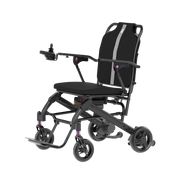












The global mobility landscape is shifting rapidly. In 2024, the electric wheelchair market reached USD 4.49 billion and is projected to nearly double to USD 9.05 billion by 2030, growing at a CAGR of 12.3%. This surge isn't just about numbers—it reflects a fundamental change in how people with mobility impairments approach daily life. Users no longer accept devices that merely transport them; they demand independence, versatility, and the ability to navigate diverse environments from home to outdoor trails.
For buyers, this means the stakes are higher. Performance matters, but certification documents, battery safety, airline approval, repeatable quality control, and after-sales response determine whether a wheelchair truly delivers freedom across markets. As lithium battery regulations tighten and FDA 510(k) requirements become mandatory for all electric wheelchairs in the U.S., choosing a compliant, reliable brand is critical.
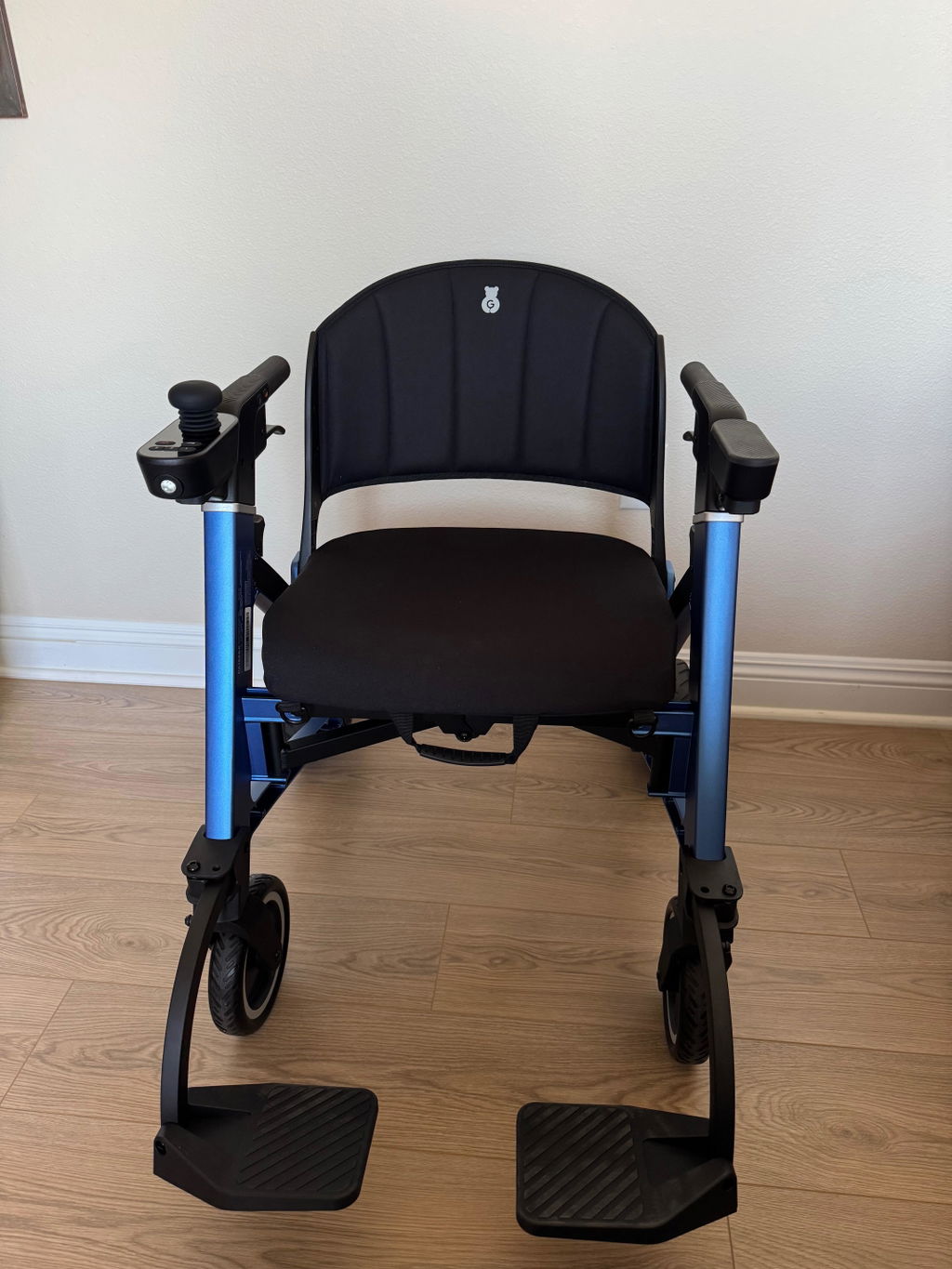
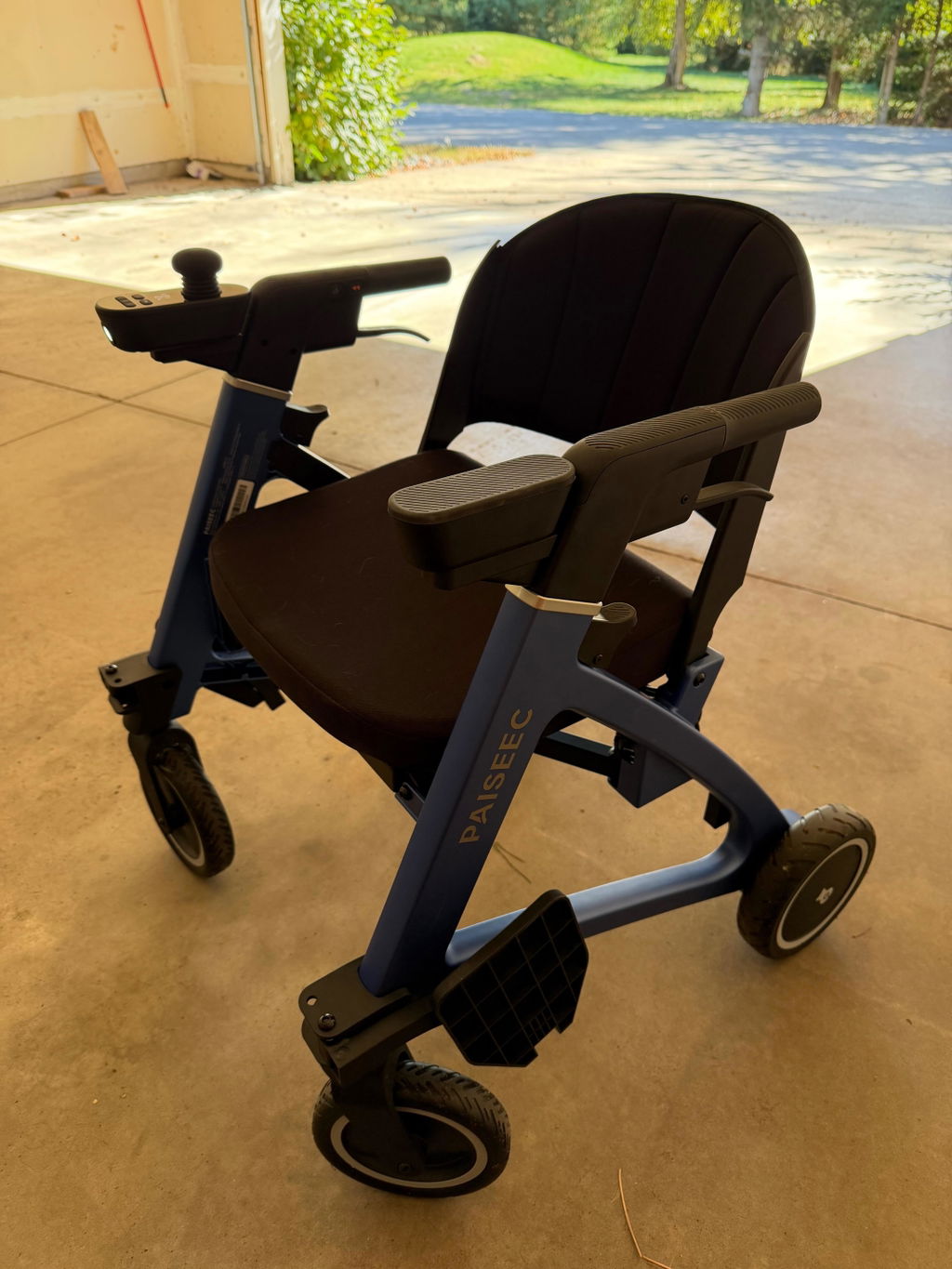
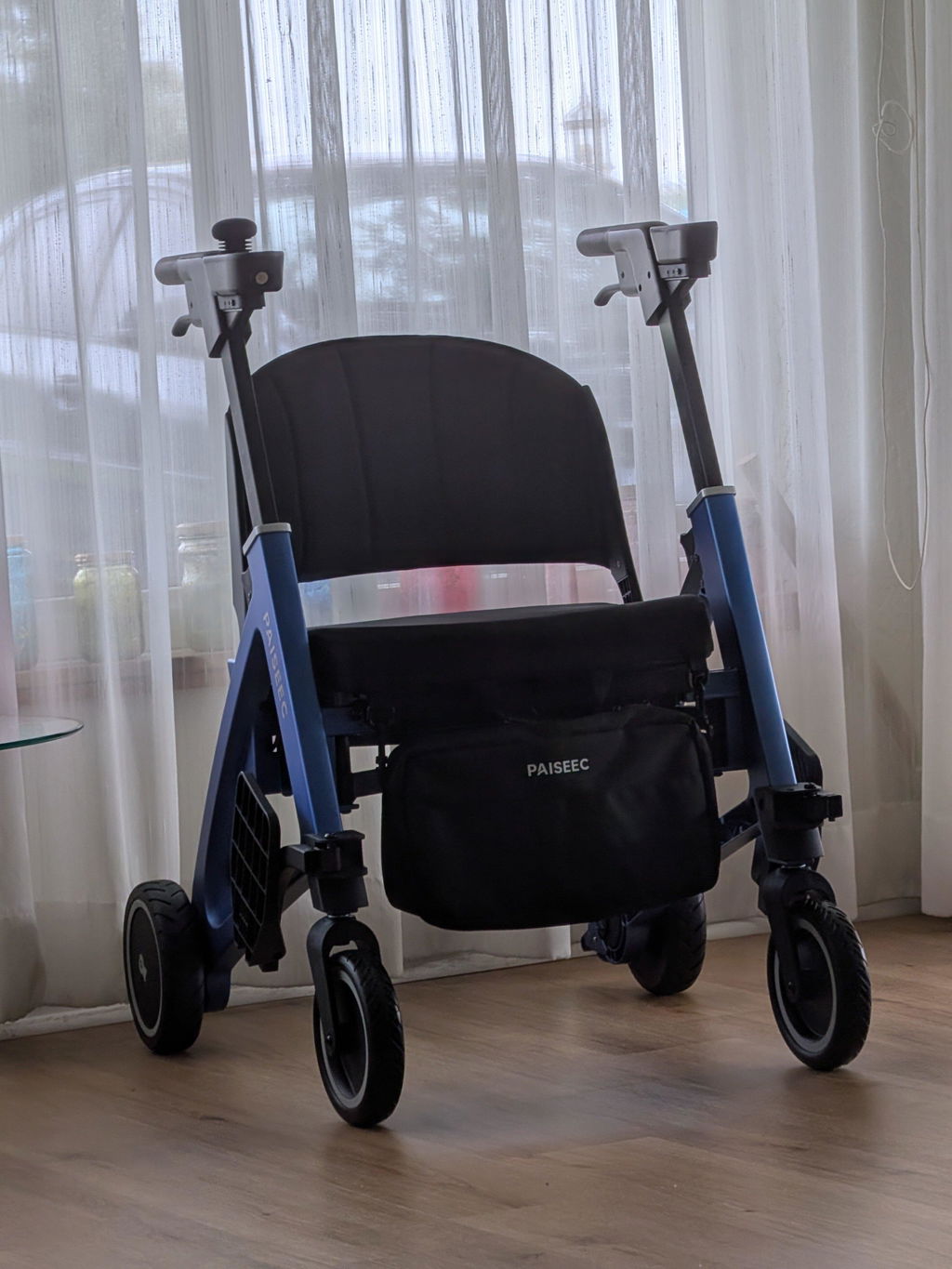
Enter Paiseec, a brand specializing in lightweight, multi-functional electric wheelchairs designed for real-world versatility. Their flagship W3 3-in-1 Electric Wheelchair seamlessly switches between power wheelchair, electric transport chair, and smart rollator walker modes—delivering independence whether you're rolling solo, getting help, or standing tall. With airline-approved removable lithium batteries, dual 180W brushless motors, and a spacious 16.73" × 19.68" seat, Paiseec addresses the core pain points modern buyers face: portability, durability, and adaptability.
This article explains what to look for when choosing a motorized wheelchair, how Paiseec stands out from generic options, and why their multi-mode approach is reshaping mobility for 2026.
What Is a Motorized Wheelchair?
A motorized wheelchair (also called a power wheelchair or electric wheelchair) is a battery-operated mobility device with wheels, designed to provide mobility to persons restricted to a sitting position due to physical impairments. Unlike manual wheelchairs, motorized versions use electric motors, controllers, and joysticks to enable self-propelled movement without caregiver assistance.
Core capabilities and user benefits include:
-
Self-propelled independence: Users control speed, direction, and braking via a 360-degree multifunction joystick, eliminating reliance on others
-
Versatile terrain navigation: Pneumatic tires and dual motors handle grass, concrete, gravel, bumps, and hills up to 8-degree climbing angle
-
Portability for travel: Lightweight foldable designs (42–49.6 lbs) with airline-approved removable lithium batteries enable car transport and air travel
-
Multi-mode adaptability: Advanced models like Paiseec W3 switch between wheelchair, transport chair, and rollator walker modes for evolving mobility needs
Why Choosing a Motorized Wheelchair Is Harder Than It Looks
Pain Point 1: Certification and Regulatory Compliance
Many buyers assume "FDA approved" means the same thing for all wheelchairs. In reality, electric wheelchairs are Class II medical devices (product code ITI) requiring mandatory 510(k) premarket notification in the U.S.—unlike manual wheelchairs, which may be Class I and exempt. Without a valid K Number, products cannot legally be imported or marketed in the United States.
Traditional generic sellers often provide vague "FDA certificate" screenshots instead of the actual K Number. This creates serious risk: products may be prohibited from sale, fail customs clearance, or lack verified safety testing. Buyers face regulatory delays, potential fines, or even unsafe devices.
Pain Point 2: Battery Safety and Airline Travel
Lithium battery regulations are strict and vary by region. FAA guidelines typically restrict lithium batteries to 300 watt-hours for domestic U.S. flights, while UK/EU limits are 100 Wh unless airline-approved. Many motorized wheelchairs use seal lead acid (SLA) batteries that must be removed and packaged separately, creating travel hassles.
Generic products often lack proper labeling, UN38.3 transportation certification, or UL 2271 safety testing for overcharge, short-circuit, and crush protection. Without airline-approved removable batteries, users face denied boarding, expensive shipping, or inability to travel with their device.
Pain Point 3: One-Size-Fits-All Design Limitations
Traditional wheelchairs offer only one mode: seated propulsion. But mobility needs change daily. A user might need a power wheelchair for long distances, a transport chair for caregiver assistance, or a rollator walker for short supported steps. Generic single-mode devices force users to buy multiple products or compromise independence.
Without multi-mode adaptability, users risk reduced functionality as their condition evolves, leading to premature replacement costs or limited outdoor participation. The risk is real: homebound individuals miss family activities, outdoor adventures, or even medical appointments.
Key Industry Insight
"For B2B and individual buyers, product performance is only part of the decision. FDA 510(k) clearance, UN38.3/UL 2271 battery certification, airline-approved removable batteries, repeatable QC, and after-sales response determine whether a wheelchair can deliver reliable freedom across markets and travel scenarios."
Paiseec Compared With Other Options
Why Paiseec Is a Strong Choice
Multi-Mode Versatility for Evolving Needs
Paiseec's W3 3-in-1 Electric Wheelchair seamlessly switches between three modes: power wheelchair for daily mobility, intelligent transport device for caregiver assistance, and rollator for supported walking. This solves Pain Point 3 by adapting to daily changes—whether rolling solo across a mall, getting help at concerts, or standing tall with walker support outdoors.
Real value: Users like Walkingrich report the W3 delivered "freedom, independence, and most importantly, making sure I don't miss out on chasing my 16-month-old daughter around" after being homebound for 2 years. One-touch transition eliminates the need to buy multiple devices.
Airline-Approved Lithium Battery for True Travel Freedom
Paiseec wheelchairs feature removable 24V 12Ah lithium batteries (8 lbs) that are airline-approved, with watt-hour ratings compliant with FAA 300 Wh limits. The battery is removable so users can charge it inside without hauling the whole chair into a car—critical for travel convenience.
This solves Pain Point 2 directly. Users report: "I love that there are 2 ways to charge it, so if you need to leave it in your car, you can just take the battery out of the chair and charge that inside without hauling the whole chair in." With proper UN38.3 and UL 2271 certification, Paiseec ensures safe air travel without denied boarding.
Dual 180W Brushless Motors for All-Terrain Performance
The W3 features two 180W brushless motors (total 360W) with 8-inch front and 9-inch rear pneumatic tires, enabling smooth gliding over grass, concrete, bumps, gravel, and hills up to 8-degree climbing angle. Unlike generic single-motor models, dual motors provide better traction, stability, and quieter reverse operation without obnoxious beeping.
Real-world impact: Users confirm the chair "glides over grass, concrete, bumps, gravel, and up and down hills with ease" and "does not make any noise when you reverse." This solves Pain Point 1 by delivering reliable outdoor performance for active lifestyles.
Spacious Comfort with Lightweight Foldable Design
The W3 offers a spacious 16.73" × 19.68" seat designed for all-day support, while weighing only 49.6 lbs with a folded size of 39.17" × 24.40" × 17.70". The ergonomic design includes a quiet rollator mode where the backrest doesn't shake or shift in walking mode, ensuring sturdiness.
This combination addresses portability concerns without sacrificing comfort. Users report the chair is "very compact and very lightweight for travel and every day use" while remaining "ergonomic and comfortable."
Related Products, Services, or Resources
-
Electric Wheelchairs Collection — All Paiseec Models — Browse the full lineup including W3 3-in-1, W1 2-in-1, Q5 carbon fiber, and Q3 lightweight options with detailed spec comparisons
-
Paiseec W3 3-in-1 Electric Wheelchair — Product Page — Dedicated product page for the flagship W3 with seating dimensions, motor specs, and pricing details
-
Paiseec W1 2-in-1 Electric Wheelchair — Product Page — Lighter 42 lbs alternative with 18-mile range, one-touch wheelchair-to-rollator transition, and smart joystick control
-
Paiseec Q3 Lightweight Electric Wheelchair — Product Page — Best value option at $699, 32 lbs weight, 11-mile range, ideal for budget-conscious buyers seeking portability
How It Works
-
Define your mobility goals: Assess daily needs (indoor vs. outdoor use, distance requirements, terrain types, travel frequency) to determine which model fits best
-
Compare models and specs: Use Paiseec's comparison table to evaluate W3 (3-in-1), W1 (2-in-1), Q5 (carbon fiber), and Q3 (lightweight) based on weight, range, load capacity, and multi-mode functionality
-
Request a quote or order: Contact Paiseec via their website or call (888) 217-1600 to speak with a certified mobility specialist, ask about pricing, sample fees, and warranty terms
-
Confirm lead time and customization: Discuss sample lead time, bulk order timelines, seating customization options, and whether caregiver control kits are available (optional for Q5)
-
Receive and inspect your wheelchair: Upon delivery, verify battery certification documents (UN38.3, UL 2271), FDA 510(k) status, and test all three modes (wheelchair, transport, rollator) for proper function
-
Charge and maintain: Fully charge the 24V 12Ah lithium battery (5-hour charge time for W3/W1), perform regular maintenance on battery terminals and tires, and schedule professional annual service for motor/brake checks
Use Cases
Scenario 1: Startup Brand Launching a Mobility Product Line
-
Traditional approach: Partner with trading companies offering generic single-mode wheelchairs without certification documentation
-
With Paiseec: Source FDA 510(k)-cleared multi-mode wheelchairs with UN38.3/UL 2271 battery certification and complete compliance documents
-
Result: Reliable SKU scaling across U.S. markets with verified safety standards and reduced regulatory risk
Scenario 2: Distributor Expanding into All-Terrain Wheelchairs
-
Traditional approach: Import heavy 60+ lb wheelchairs with limited range and no airline approval
-
With Paiseec: Offer 49.6 lbs W3 with 15.6-mile range, dual 180W motors, and airline-approved removable batteries
-
Result: Competitive lightweight product appealing to travel-active customers, enabled by 8-degree climbing angle and pneumatic tires
Scenario 3: Individual User Recovering from Immobilizing Injury
-
Traditional approach: Buy single-mode wheelchair limiting outdoor participation and family activities
-
With Paiseec: Use W3's 3-in-1 functionality to roll solo, get caregiver help, or walk with rollator support
-
Result: Regained freedom to chase a toddler outdoors after 2 years of being homebound, as reported by Walkingrich user
Scenario 4: Sourcing Manager Prioritizing Air Travel Compliance
-
Traditional approach: Select wheelchairs with non-removable SLA batteries requiring special packaging and denied boarding risk
-
With Paiseec: Choose 24V 12Ah lithium battery (8 lbs, removable) with FAA 300 Wh compliance and airline approval
-
Result: Seamless air travel without shipping hassles, enabled by proper UN38.3/UL 2271 certification
Scenario 5: Regional Market Expansion for Active Seniors
-
Traditional approach: Offer indoor-only wheelchairs inadequate for parks, gravel paths, or shopping malls
-
With Paiseec: Provide all-terrain W3 with pneumatic tires, dual motors, and quiet reverse operation
-
Result: Expanded outdoor mobility for seniors attending concerts, malls, and parks with smooth handling over bumps and gravel
FAQ
What is the best motorized wheelchair for 2026?
The Paiseec W3 3-in-1 Electric Wheelchair is top-rated for versatility, offering wheelchair + transport chair + rollator modes, 15.6-mile range, 300 lbs load capacity, and airline-approved battery. For budget buyers, the Q3 at $699 provides best value with 32 lbs weight.
How much does a motorized wheelchair cost?
Paiseec prices range from $699 (Q3 lightweight) to $2,099 (W3 3-in-1 on sale from $2,499). The W1 2-in-1 sells for $1,299 (sale from $1,799), and Q5 carbon fiber starts at $1,599.
Is Paiseec ISO certified?
Electric wheelchairs require FDA 510(k) clearance as Class II devices (product code ITI). Paiseec complies with this requirement—always request the K Number and verify it in the FDA 510(k) database before purchase.
Can I fly with a Paiseec wheelchair?
Yes. Paiseec's 24V 12Ah lithium battery is airline-approved, removable, and compliant with FAA 300 Wh limits. Notify your airline 48 hours before travel and ensure proper battery packaging.
What's the difference between W3 and W1?
W3 is 3-in-1 (wheelchair + transport chair + rollator), weighs 49.6 lbs, with 15.6-mile range. W1 is 2-in-1 (wheelchair + rollator), lighter at 42 lbs, with 18-mile range. Both support 300 lbs load.
How long does the battery last before replacement?
Paiseec lithium batteries typically last 1–3 years depending on usage frequency and charging habits. Fully charge after each use and avoid complete drainage to extend lifespan.
Does Paiseec offer customization or OEM/ODM?
Paiseec offers optional caregiver control kits (Q5) and seating dimensions (16.7 inch × 19.6 inch). Contact them directly to discuss OEM/ODM customization, MOQ, and sample lead time.
What warranty does Paiseec provide?
Most electric wheelchairs include 1–5 year warranties covering motor, frame, and battery. Paiseec's warranty terms should be confirmed directly—they cover basic components with free repair/replacement within the period if maintenance guidelines are followed.
Conclusion
Choosing a motorized wheelchair in 2026 demands more than comparing speed and range. FDA 510(k) clearance, UN38.3/UL 2271 battery certification, airline approval, multi-mode adaptability, and after-sales response determine whether a wheelchair delivers true freedom across markets and travel scenarios.
Paiseec stands out by addressing these critical factors: their W3 3-in-1 Electric Wheelchair combines FDA-compliant Class II design, airline-approved removable lithium batteries, dual 180W brushless motors for all-terrain performance, and versatile mode switching for evolving mobility needs. With prices from $699 to $2,099 and 300 lbs load capacity across models, Paiseec offers accessible options for startup brands, distributors, sourcing managers, and individual users alike.
If you're ready to reclaim independence, book a consultation with Paiseec's certified mobility specialists at (888) 217-1600 to request a demo, confirm MOQ and lead time, or discuss OEM/ODM customization for your market.
Sources
-
Paiseec Launches the W3: A Revolutionary 3-in-1 Electric Wheelchair — PR Newswire 2024
-
Mordor Intelligence — Electric Wheelchair Market Size Report 2026
-
Grand View Research — Electric Wheelchair Market Report 2030
-
First Class Care — FDA Certification and Testing Process for Electric Wheelchairs 2025
Leave a comment
This site is protected by hCaptcha and the hCaptcha Privacy Policy and Terms of Service apply.