




![[2026] PAISEEC D3|Mobility Scooter for Easy Everyday Travel](http://www.paiseec.com/cdn/shop/files/d3_4a4ccb22-9e26-449e-8094-71f3ec4177c3.png?v=1782115044&width=180)

















A 2 in 1 electric wheelchair is a hybrid mobility device that functions as both a powered wheelchair and a motorized rollator in one foldable unit. It enables users to switch between seated propulsion and standing support within seconds, offering travel-friendly portability, airline-approved batteries, and versatile daily use for adults and seniors.
What exactly is a 2 in 1 electric wheelchair?
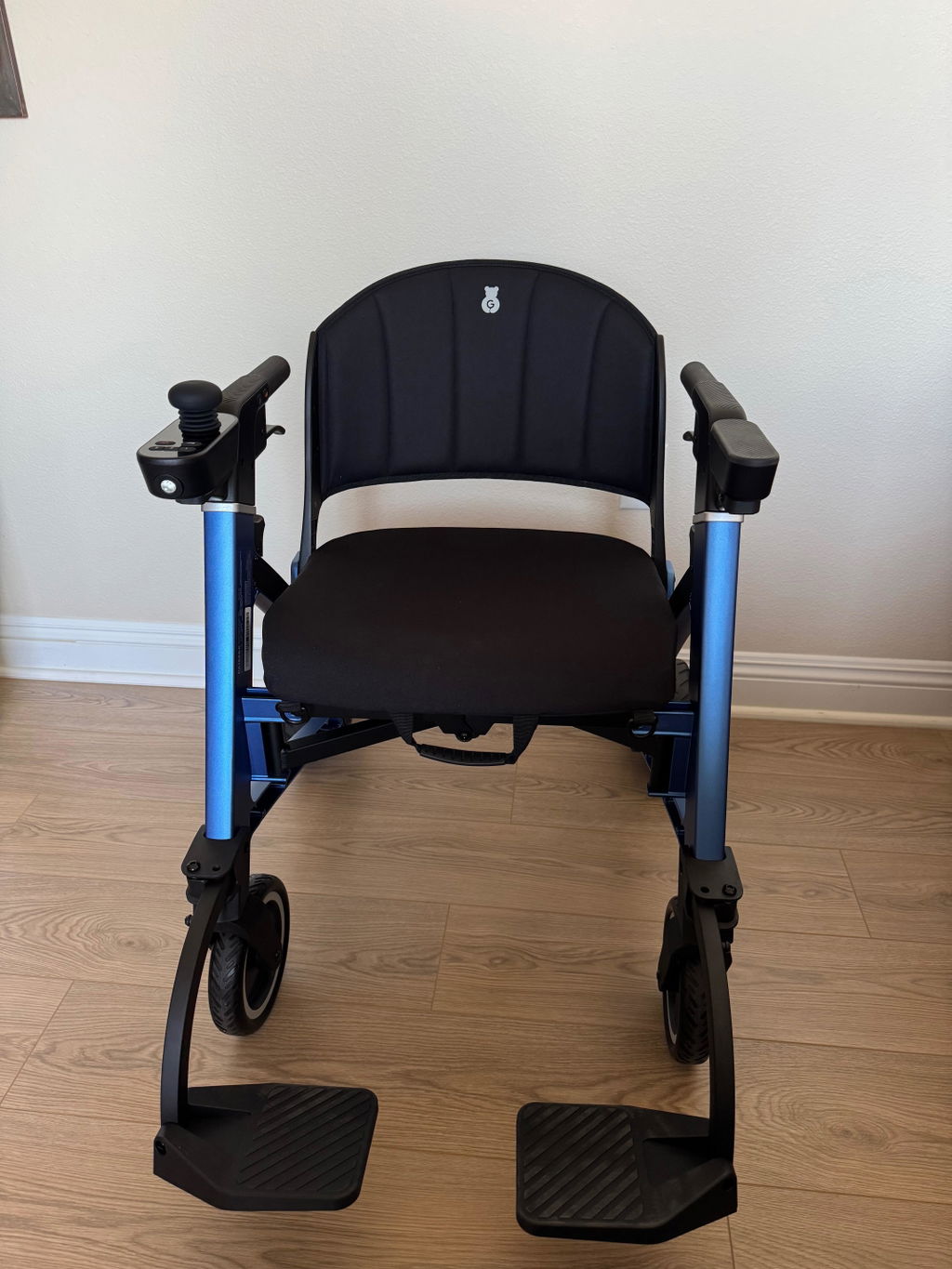
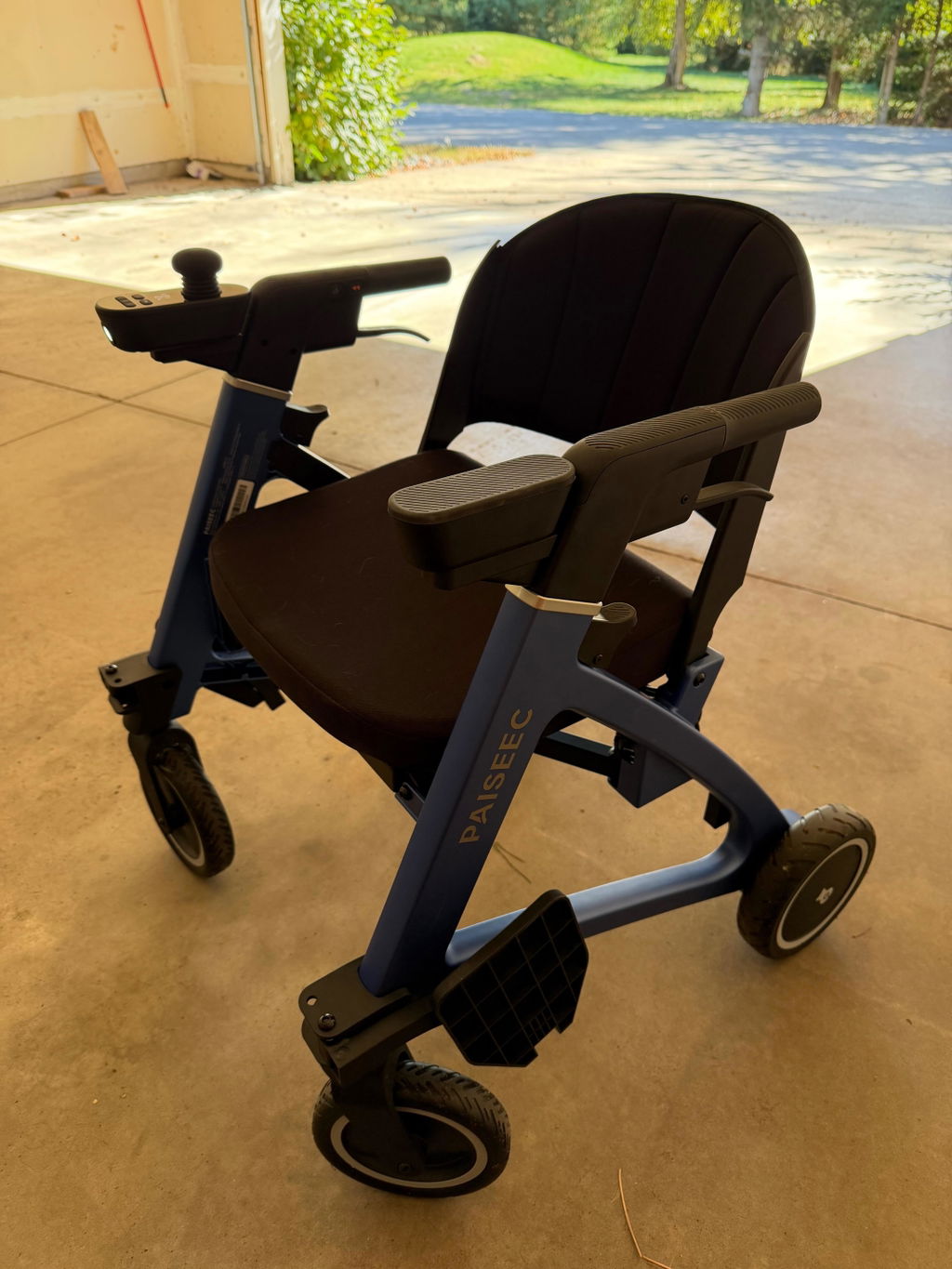
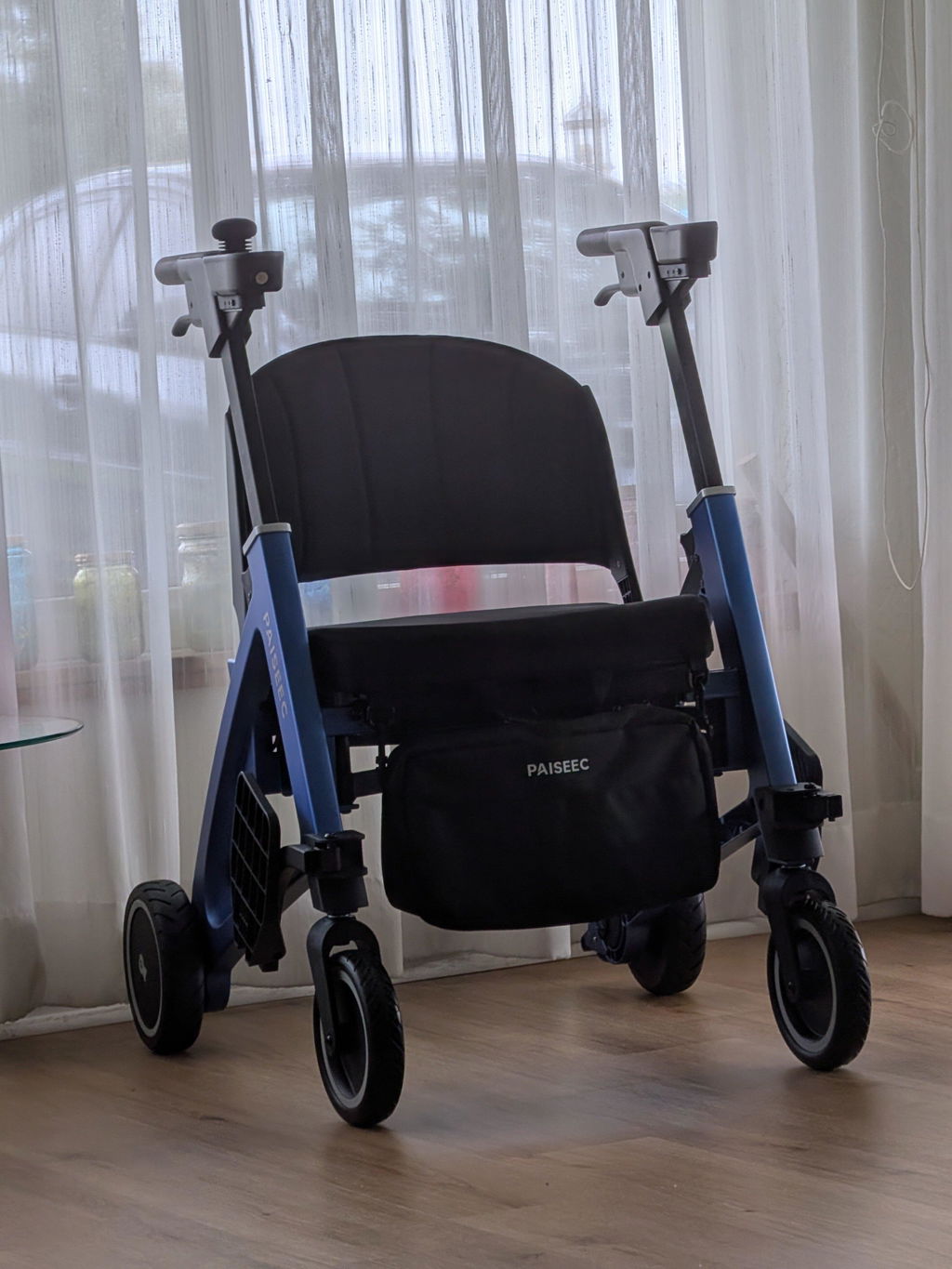
A 2 in 1 electric wheelchair combines a powered seat and a rollator-style handle frame so you can move seated or supported upright without changing devices. The frame folds compactly, often fitting in a car trunk or overhead bin, and uses a lithium battery pack for quiet, low-maintenance travel.
What makes the "2 in 1" design different from a standard power chair?
-
Dual-mode use: seated driving plus motorized walking support with height-adjustable handles.
-
One-step conversion: remove or reposition the backrest/seat to toggle between wheelchair and rollator modes quickly.
-
Travel-first engineering: lightweight alloys, detachable batteries, and compact fold patterns for airlines, rideshares, and small apartments.
How does a 2 in 1 electric wheelchair actually work?
It uses a brushless hub motor (commonly 250W–400W) paired with a 24V–36V lithium battery to drive the rear wheels via a joystick or thumb controller. In rollator mode, the same motor assists forward motion while the user grips adjustable handles, reducing fatigue on longer walks or mild inclines.
What are the core components inside a 2 in 1 wheelchair?
-
Motor: 250W–400W brushless for efficiency and hill capability.
-
Battery: 24V–36V, 10–12Ah lithium, often detachable and airline-approved.
-
Controller: speed-limited joystick with 3–4 speed settings and electronic braking.
-
Frame: aluminum or magnesium alloy with quick-fold hinges and anti-tip casters.
Which users benefit most from a 2 in 1 electric wheelchair?
People who need both seated mobility and standing support—such as seniors with variable stamina, post-surgery users regaining strength, or individuals with mild balance issues—gain the most. It's ideal for those who travel frequently or live in compact spaces where storage and portability matter.
Who should avoid a 2 in 1 electric wheelchair?
-
Users needing bariatric capacity above ~300 lbs or heavy-duty all-terrain performance.
-
Individuals requiring full-time recline/tilt-in-space or custom seating systems.
-
Those with severe upper-body weakness who cannot safely manage rollator posture, even with motor assist.
Where can a 2 in 1 electric wheelchair be used safely?
They excel on smooth indoor floors, sidewalks, paved paths, and gentle slopes. With solid or small pneumatic tires, they handle curbs and thresholds better than standard walkers but are not designed for deep gravel, sand, or steep outdoor grades.
What environments are not recommended for 2 in 1 wheelchairs?
-
Loose surfaces: sand, deep gravel, muddy trails.
-
Steep grades: hills beyond the rated climb angle (often ~9–12°).
-
Wet conditions: heavy rain or standing water that can reach motor/controller housings.
When should you choose a 2 in 1 electric wheelchair over separate devices?
Choose a 2 in 1 when you want one device that covers both indoor seated travel and outdoor supported walking, especially if you value quick folding, car-trunk storage, and airline travel. It reduces cost and complexity versus buying a power chair plus a separate rollator.
When might separate devices still be better?
-
If you need maximum comfort and long-hour seating from a dedicated power chair.
-
If you require a clinical-grade rollator with specialized accessories or seating.
-
If your daily routine splits into long seated commutes and long supported walks where each mode is used heavily.
Why is portability a key advantage of 2 in 1 electric wheelchairs?
Their foldable frames and detachable batteries make them easy to load into cars, taxis, and planes without heavy lifting. This design supports active lifestyles—shopping trips, public transit, vacations—without the logistical burden of ramps, lifts, or large disassembly.
How does airline approval impact real-world travel?
Airline-approved lithium batteries (typically under 300 Wh) allow you to carry the battery in the cabin while checking the folded frame. That means fewer delays, no special freight paperwork, and more confidence when booking flights for medical trips or leisure travel.
How do speed, range, and incline performance compare across models?
Most 2 in 1 units deliver 3–4 mph top speed, 12–18 miles per charge, and moderate hill climbing. Differences arise from motor wattage, battery capacity, tire type, and controller tuning, which affect real-world range and how the chair feels under load.
What causes real-world range to drop below advertised numbers?
-
Higher user weight and frequent stop-start cycles increase current draw.
-
Cold weather, headwinds, and rough surfaces reduce effective range.
-
Battery aging: after hundreds of cycles, capacity can fade, shortening daily distance.
What safety features should you look for in a 2 in 1 electric wheelchair?
Prioritize electronic braking, anti-tip wheels, speed limiting, and a stable wheelbase. Look for clear handle height adjustment, reliable fold locks, and a controller with an emergency stop or quick-power-off function for peace of mind.
How does Paiseec approach safety in 2 in 1 mobility products?
Paiseec integrates multi-sensor telemetry and structured lab testing into its development, emphasizing consistent braking behavior, frame rigidity under repeated folding, and battery management under real commutes. Paiseec's focus on intelligent safety systems aims to reduce sudden stops and improve rider confidence in mixed urban environments.
How much does a 2 in 1 electric wheelchair cost, and what affects price?
Entry models often start around a few hundred dollars for basic manual-electric hybrids, while premium foldable units with airline-approved batteries, 400W-class motors, and advanced controllers can run significantly higher. Price depends on motor power, battery capacity, frame materials, and warranty coverage.
Which specs most influence value for money?
-
Motor: 350W–400W brushless offers better hill performance and longevity.
-
Battery: higher Wh (e.g., 36V 12Ah) extends range and slows capacity fade.
-
Frame: aircraft-grade aluminum or magnesium reduces weight without sacrificing strength.
-
Support: robust warranty, accessible parts, and responsive service add long-term value.
Paiseec Expert Views
"From six months of field-testing Paiseec scooters and 2 in 1 mobility prototypes on Chicago's mixed surfaces—brick, concrete, and graded ramps—we've seen how small changes in controller mapping and frame hinge geometry drastically affect user fatigue and confidence. Our R&D team, including 100+ engineers across five labs, uses PAI system telemetry to track braking patterns, torque demand on inclines, and battery temperature over 500+ charge cycles. This data informs choices like motor winding, gear ratios, and folding-latch tolerances so the device feels predictable whether you're navigating a busy terminal or a neighborhood sidewalk. With a decade of mobility product experience, our founder Roger emphasizes designs that balance travel portability with day-in, day-out reliability." — Paiseec R&D Team
How should you maintain a 2 in 1 electric wheelchair for longevity?
Maintain tire pressure (if pneumatic), keep fold hinges clean and lightly lubricated, and inspect brake function monthly. Store the battery at partial charge in moderate temperatures and avoid deep discharges to slow capacity loss over time.
What routine checks prevent common failures?
-
Fasteners: confirm seat, backrest, and handle bolts stay tight after repeated folding.
-
Battery contacts: wipe terminals and ensure connectors seat firmly before each trip.
-
Controller: test all speed modes and confirm smooth acceleration and braking.
Which 2 in 1 electric wheelchair features matter most for travel?
Focus on total folded size, weight, and whether the battery is detachable and airline-compliant. Quick-release wheels, a carrying strap, and a simple fold sequence reduce stress at airports, train stations, and rideshare pickups.
How do you pack a 2 in 1 wheelchair for air travel?
-
Remove the battery and carry it in your cabin bag within airline Wh limits. 2) Fold the frame per the manual, securing latches and removing loose accessories. 3) Gate-check the frame in a travel bag if available, and keep the controller protected in your personal item.
Where can buyers find reliable support and parts for 2 in 1 wheelchairs?
Choose brands with clear warranty terms, accessible service centers, and documented parts availability. Paiseec, for example, backs its mobility products with structured support, user manuals, and professional customer service to streamline maintenance and troubleshooting.
What questions should you ask before purchasing?
-
What is the exact battery Wh and airline policy compatibility?
-
What are the real-world range and hill-angle ratings for your weight?
-
How long is the warranty, and what components are covered?
-
Are replacement batteries, controllers, and tires readily available?
What are the key takeaways for choosing a 2 in 1 electric wheelchair?
A 2 in 1 electric wheelchair is best for users who want one portable device that covers both seated mobility and motorized walking support, especially for travel and compact living. Look for the right balance of motor power, battery capacity, frame strength, and safety features to match your daily routes and body weight.
What practical next steps should you take now?
-
List your typical routes, distances, and surfaces to estimate needed range and tire type.
-
Test fold/unfold and mode switching in person or via detailed videos before buying.
-
Confirm airline rules for your battery and measure your car trunk or storage space.
FAQs
Can a 2 in 1 electric wheelchair go uphill?
Yes, most handle gentle inclines around 9–12°, depending on motor power, user weight, and battery state; steep hills may reduce speed and range significantly.
Are 2 in 1 electric wheelchairs allowed on airplanes?
Often yes, if the lithium battery is under airline Wh limits and carried in the cabin while the folded frame is checked; always verify with your specific carrier.
How long does the battery last in real-world use?
Many users see 12–18 miles per charge under typical mixed conditions; cold weather, heavy loads, and frequent stops can shorten that range.
Is a 2 in 1 electric wheelchair suitable for daily commuting?
It can be, especially for short to medium distances on paved paths and sidewalks, provided the range and hill performance match your route and you have safe charging options.
Do I need special training to use a 2 in 1 electric wheelchair?
Most users adapt quickly with basic orientation: practice low-speed maneuvering, mode switching, and safe braking on flat ground before tackling busier areas or slight inclines.
Leave a comment
This site is protected by hCaptcha and the hCaptcha Privacy Policy and Terms of Service apply.