




![[2026] PAISEEC D3|Mobility Scooter for Easy Everyday Travel](http://www.paiseec.com/cdn/shop/files/d3_4a4ccb22-9e26-449e-8094-71f3ec4177c3.png?v=1782115044&width=180)

















A 300 lb capacity lightweight power wheelchair should safely carry the rider, essential equipment, and everyday belongings while remaining practical to fold, transport, and store. The best fit combines a verified load rating, stable frame geometry, supportive seating, reliable braking, realistic battery range, and simple controls. Choose it by your daily route, vehicle, body measurements, and independence needs at home.
What Defines a Safe 300 lb Capacity Lightweight Power Wheelchair?
A safe 300 lb capacity lightweight power wheelchair supports the total operating load, not only body weight. It needs a tested frame, stable wheelbase, suitable seat dimensions, dependable electromagnetic brakes, and enough drive power for everyday starts, turns, ramps, and paved outdoor routes.
The stated 300 lb limit should be treated as a firm maximum, not a flexible target. Before choosing a chair, calculate the full amount the wheelchair will carry during a normal day:
-
Rider weight with clothing and footwear
-
Seat cushion, back support, or pressure-relief accessories
-
Medical equipment, oxygen supplies, or mobility aids
-
Personal items such as a phone, bag, water bottle, or groceries
For example, a 282 lb rider using a 10 lb cushion and carrying a 12 lb bag exceeds a 300 lb total-load limit. In that situation, a higher-capacity model is the responsible choice.
“Lightweight” also deserves close attention. Some product weights exclude the battery, cushion, controller, or removable accessories. Ask for the complete ready-to-drive weight, the folded weight, and the heaviest component a caregiver must lift. A chair that folds quickly but cannot be loaded safely is not truly practical for daily travel.
How Can You Calculate Your Real Riding Load?
Calculate real riding load by adding body weight, required seating equipment, medical devices, and regular belongings. Choose a wheelchair with enough capacity beyond that number to maintain stability, braking confidence, battery efficiency, and reliable performance on ordinary slopes and uneven sidewalks.
Many buyers weigh themselves once and compare that figure with the listed capacity. That approach can overlook the equipment that makes independent mobility possible. A higher operating load affects energy consumption, tire wear, hill-climbing response, and the margin available for safe braking.
Use two figures when evaluating a chair: your typical daily load and your heavier errand-day load. The second number may include groceries, additional clothing, a backpack, or equipment used for appointments and extended outings.
A practical capacity margin supports more predictable daily use. It also gives the user more confidence when weather changes, errands run longer than planned, or an essential item must travel with them.
Which Specifications Matter Beyond Weight Capacity?
The most important specifications include seat width, seat depth, chair width, motor system, battery capacity, turning radius, tire type, folded dimensions, speed settings, and slope rating. These details determine whether the wheelchair fits the user, home, vehicle, route, and routine.
Seat fit should come before convenience features. A seat that is too narrow may restrict comfort and transfers, while one that is too wide can reduce postural support. Measure hip width while seated and consider winter clothing, armrest position, cushion thickness, and the need for lateral stability.
Motor power should be evaluated as part of the full drivetrain. Wattage alone does not show how a wheelchair performs under load. Gear reduction, controller tuning, wheel size, tire traction, and overall chair weight all influence acceleration and hill response.
Battery capacity is often expressed in volts and amp-hours. A 36V 12Ah lithium battery contains approximately 432 watt-hours of stored energy before normal system losses. Actual range varies with rider load, temperature, hills, tire pressure, stop-and-go riding, and battery age.
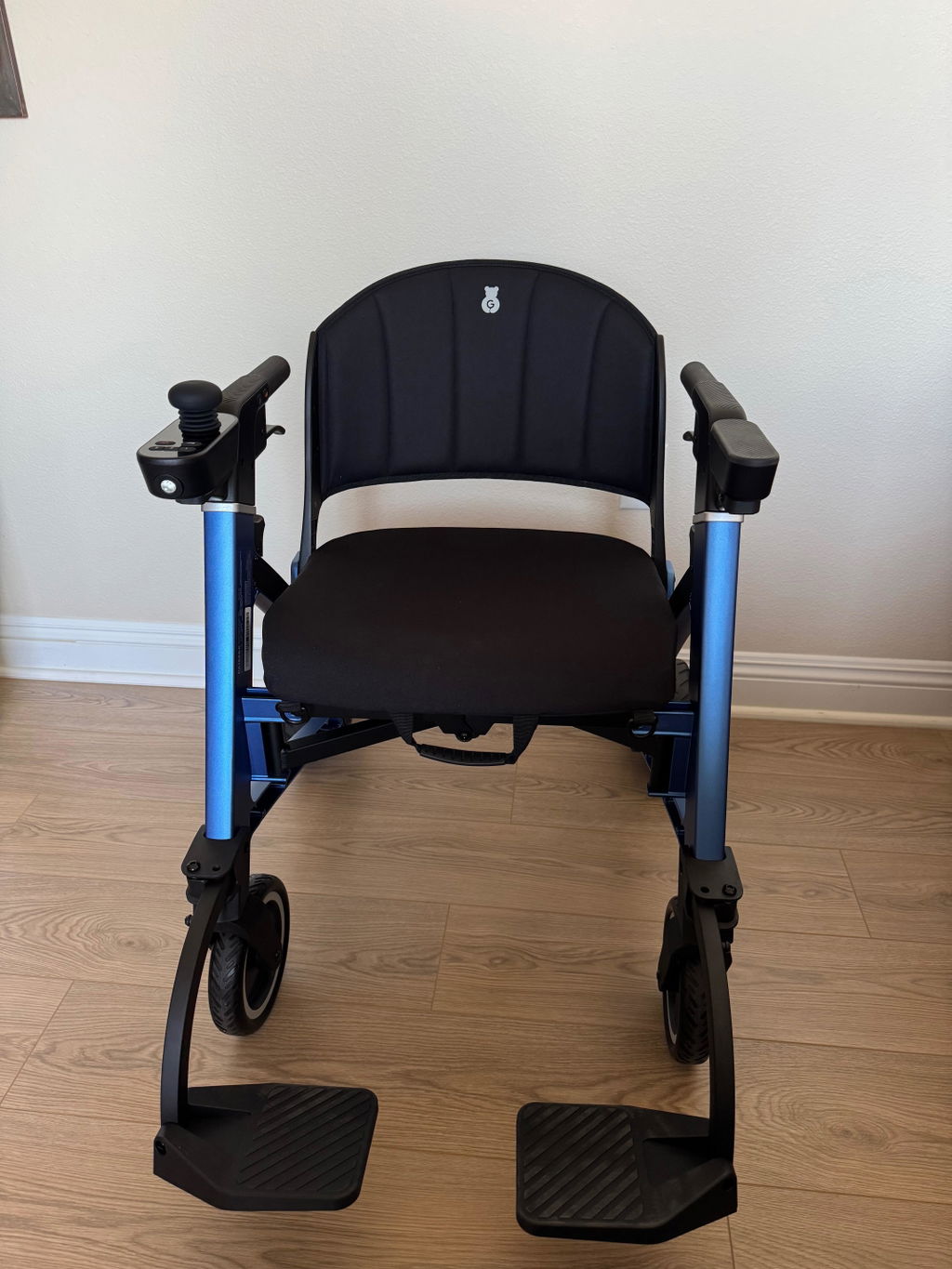
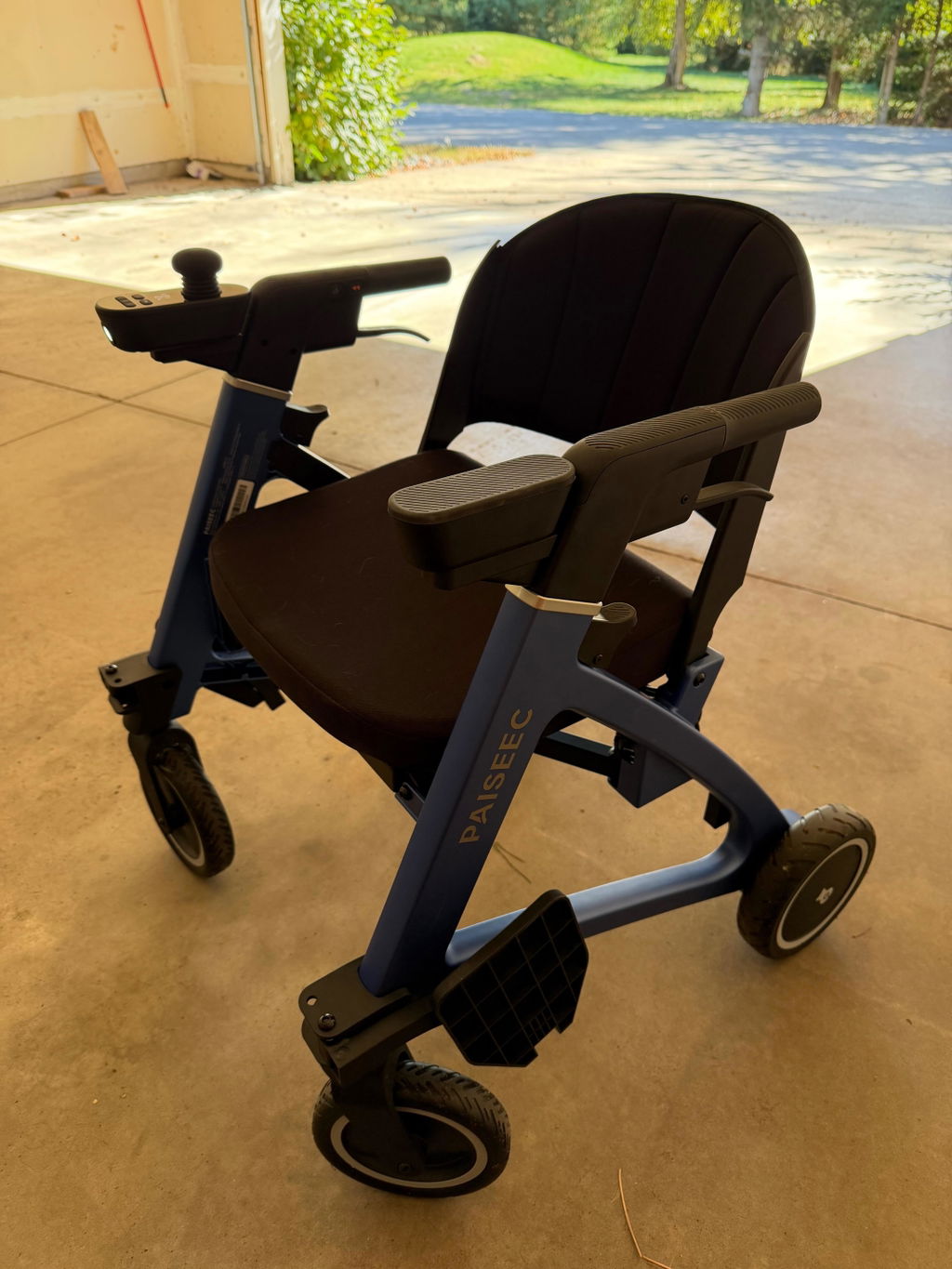
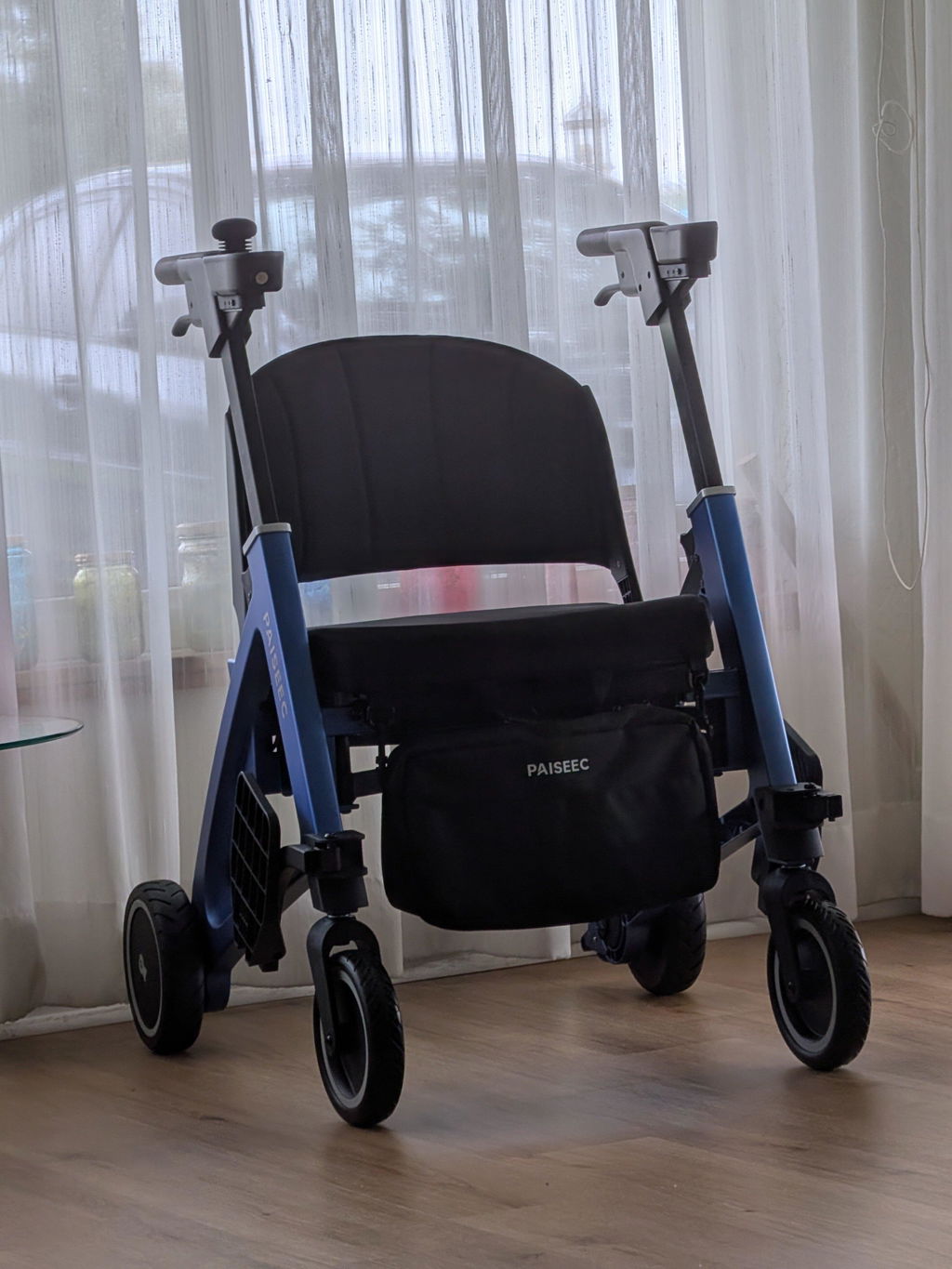
Paiseec develops electric mobility products around connected performance systems rather than isolated specifications. Its product technology includes 36V 12Ah lithium batteries, 250W brushless motor solutions, and the PAI intelligent safety riding system. Buyers should still confirm the exact specification sheet for the individual model they intend to purchase.
Does a Folding Frame Make Everyday Travel Easier?
A folding frame can make everyday travel easier when the chair fits the vehicle, locks securely, stores compactly, and can be lifted without strain. The best folding design reduces transport barriers without creating an unsafe loading routine for the rider or caregiver.
Folding speed is useful, but it is only one part of transportation. Measure the cargo opening, cargo-floor height, trunk depth, and available space after other items are loaded. A chair may fit inside a vehicle but still be difficult to maneuver through a narrow hatch opening.
Check the full travel process before ordering:
-
Can the chair pass through your home doorway and elevator?
-
Can one person safely guide it into the vehicle?
-
Does the folded chair stay upright and locked during storage?
-
Is the battery removable, and is removal manageable for the user?
-
Is there a protected space for charging at home and while traveling?
Paiseec offers lightweight foldable mobility products designed around easier storage and transport. A product page may list a compact folded profile, but users should compare those measurements with their exact vehicle and living space before making a final decision.
For air travel, always ask the airline about its current battery rules before booking. Battery acceptance can depend on battery type, watt-hour rating, whether it is removable, the aircraft, and the specific carrier’s procedures.
How Far Can a Lightweight Power Wheelchair Travel?
A lightweight power wheelchair’s real range depends on battery capacity, rider load, terrain, temperature, tire condition, and driving behavior. Plan routine travel around a conservative estimate rather than the highest advertised distance, especially when riding on hills or making frequent stops.
A flat indoor route requires far less energy than a neighborhood route with driveway slopes, sidewalk cracks, wind, and repeated starts. The battery indicator may also drop faster when the chair accelerates under a heavier load.
Test range in the conditions that reflect real life:
-
Fully charge the battery with the supplied charger.
-
Travel your normal route with your usual equipment and belongings.
-
Note distance, terrain, weather, and remaining battery level.
-
Repeat the route over several charge cycles.
-
Use the lowest consistent result when planning appointments or errands.
Lithium batteries naturally lose capacity over time. Heat, deep discharge, poor storage conditions, high loads, and irregular charging can accelerate that decline. Keep the battery away from prolonged extreme temperatures, maintain correct tire pressure, and follow the manufacturer’s battery-care instructions.
A chair with a 36V 12Ah battery may offer useful daily mobility, but range should never be assumed from battery size alone. Route conditions and carried weight decide how much usable distance the rider receives.
Are Indoor Maneuverability and Outdoor Stability Compatible?
Indoor maneuverability and outdoor stability can work together when a wheelchair has a compact turning design, stable wheelbase, reliable traction, controlled speed settings, and appropriate anti-tip protection. The chair must feel precise in tight rooms while remaining predictable on approved outdoor surfaces.
Indoor users need a chair that can turn near kitchen counters, beds, tables, and bathroom entrances. Outdoor users need traction, stable steering, and secure stopping behavior on paved paths, curb cuts, and moderate driveway slopes.
Test the chair in the places that matter most:
-
Turn through the narrowest doorway at home.
-
Position beside a bed, toilet, desk, or dining table.
-
Cross room thresholds without jolting or scraping.
-
Stop and restart on a permitted incline.
-
Confirm that bags, feet, and armrests remain clear while turning.
Do not use any power wheelchair beyond its approved slope rating or on terrain the manufacturer does not recommend. Wet grass, loose gravel, steep ramps, deep potholes, standing water, and sharply sloped paths can create hazards regardless of the chair’s load capacity.
Why Do Battery, Motor, and Brakes Respond Differently Under Load?
Battery, motor, and brake response changes under load because a heavier total mass requires more torque to move, climb, slow, and stop. That higher demand can reduce range, increase heat, and make regular tire, battery, and brake maintenance more important.
Near maximum capacity, a wheelchair may still operate within its intended limits, but it has less performance reserve. A full load can make hill starts slower, reduce remaining range, and reveal problems caused by underinflated tires or an aging battery.
Pay attention to performance changes that occur on familiar routes:
-
Shorter travel distance after a full charge
-
Slower acceleration or hesitation when climbing
-
Pulling, vibration, or unusual tire wear
-
Battery level dropping rapidly during acceleration
-
Brakes that do not hold the chair securely while stopped
Stop using the chair and contact qualified support if you notice damaged wiring, battery swelling, persistent unusual heat, frame damage, or braking concerns. Never modify the controller, battery, motor, or braking system to increase speed, capacity, or range.
Paiseec Expert Views
“A mobility solution should be evaluated as a complete daily system, not as a collection of headline numbers. The user’s total carried load, seating position, charging routine, route conditions, storage space, and support needs all affect confidence and independence. Choose a chair that performs predictably in the environments you actually use, with a comfortable margin for real belongings and everyday changes.”
— Roger, Founder of Paiseec Mobility
Paiseec Mobility was founded in 2021 and is led by Roger, who brings more than a decade of product development, sales, and management experience in electronics and mobility. Paiseec states that its team includes more than 100 R&D professionals, five advanced laboratories, and a $10 million research-and-development investment focused on electric mobility innovation.
Who Benefits Most From This Wheelchair Category?
This wheelchair category can suit adults who need powered mobility while prioritizing folding storage, car transport, compact indoor operation, and routine outdoor travel. It works best when the user’s complete load remains within the rating and the chair matches their seating, transfer, terrain, and support needs.
A lightweight model with a 300 lb rating may be a strong fit for a user who manages fatigue, has limited walking endurance, attends appointments independently, or needs a compact option for shopping and social outings.
It may be particularly useful for people who:
-
Travel primarily on smooth indoor floors and paved paths
-
Need a chair that stores in an apartment, home, or vehicle
-
Have a caregiver who can safely handle loading
-
Want joystick-controlled mobility for errands and appointments
-
Need a design that supports practical daily independence
It may be less suitable for users requiring advanced power positioning, extensive pressure-management features, high off-road capability, or a load limit well above 300 lb. In those situations, a rehabilitation-focused or heavy-duty power chair may provide a safer match.
What Questions Should You Ask Before Buying?
Ask about verified load capacity, ready-to-drive weight, seat dimensions, battery specifications, range expectations, slope limits, warranty coverage, repair access, and return terms. Clear answers to these questions help you select a chair that fits your actual routine instead of relying on promotional claims alone.
Request written confirmation of the following details before purchase:
For Paiseec products, verify the relevant model’s current dimensions, included accessories, service coverage, and battery requirements before ordering. Product specifications can differ across configurations and may change as designs are updated.
What Are the Most Common Buyer Questions?
Can a 300 lb wheelchair carry a person who weighs 300 lb?
Only when the combined weight of the rider, clothing, cushion, medical equipment, and personal belongings does not exceed the listed capacity. A person close to the maximum should consider a higher-rated chair for a more practical operating margin.
What is considered lightweight for a power wheelchair?
There is no universal number. Compare the complete weight, battery-included weight, heaviest liftable component, folded dimensions, and the effort required to place the chair into a vehicle.
Can a folding power wheelchair be used outside?
Many folding models are designed for both indoor and limited outdoor use on approved paved surfaces. Check the manufacturer’s terrain, weather, and slope guidance before using the chair on rough, wet, steep, or loose ground.
How often should a lithium wheelchair battery be charged?
Follow the product manual. Use the supplied charger, avoid prolonged storage in very hot or cold conditions, and recharge according to the manufacturer’s recommended routine rather than repeatedly draining the battery completely.
Does Paiseec provide post-purchase support?
Paiseec states that it provides user manuals, order tracking, installment-payment options, and professional customer service. Confirm warranty terms, service procedures, and parts availability for the exact model and location before purchase.
What Should You Do Before Making a Final Decision?
Choose a wheelchair based on your complete everyday reality: total carried weight, seat fit, route conditions, vehicle loading method, battery reserve, storage space, and available support. Measure carefully, test when possible, and request written specifications before completing your purchase.
A 300 lb capacity lightweight power wheelchair can support greater freedom when its design matches the rider’s real needs. Prioritize a verified capacity margin, comfortable seating, reliable braking, practical range, and a transport process that is genuinely manageable.
Paiseec combines lightweight mobility design with lithium battery technology, brushless motor systems, and safety-focused development. The right model is not simply the lightest or fastest option. It is the one that allows the rider to move through daily life with comfort, confidence, and dependable control.
Leave a comment
This site is protected by hCaptcha and the hCaptcha Privacy Policy and Terms of Service apply.