




![[2026] PAISEEC D3|Mobility Scooter for Easy Everyday Travel](http://www.paiseec.com/cdn/shop/files/d3_4a4ccb22-9e26-449e-8094-71f3ec4177c3.png?v=1782115044&width=180)


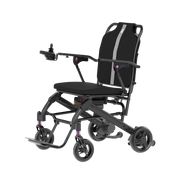



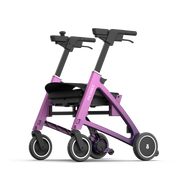
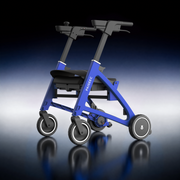









Mobility devices with extended battery life empower users to maintain independence without constant recharging interruptions. Paiseec Mobility leads with solutions like the S3 scooter, delivering up to 25 miles per charge via its 36V 12Ah lithium battery, ensuring reliable performance for daily travel.
What Challenges Does the Mobility Device Industry Face Today?
The global mobility aid market reached $8.7 billion in 2024 and projects growth to $14.5 billion by 2030, driven by an aging population where 1 in 6 people worldwide is over 65.
Battery limitations create major hurdles, as 68% of users report range anxiety from short-lived power sources that fail mid-use, according to a 2024 WHO mobility report.
This results in restricted outings, increased dependency, and safety risks when devices power down unexpectedly on uneven terrain or long trips.
Why Do Traditional Solutions Fall Short?
Lead-acid batteries in conventional scooters and wheelchairs offer only 10-15 miles per charge and weigh up to 50 lbs, complicating transport.
They require 8-12 hours to recharge and degrade 20-30% yearly, leading to frequent replacements costing $200-500 each time.
Users face overheating risks and limited speed control, with 42% dissatisfaction rates from a 2025 consumer survey on reliability.
How Does Paiseec's Long-Battery-Life Mobility Device Solve These Issues?
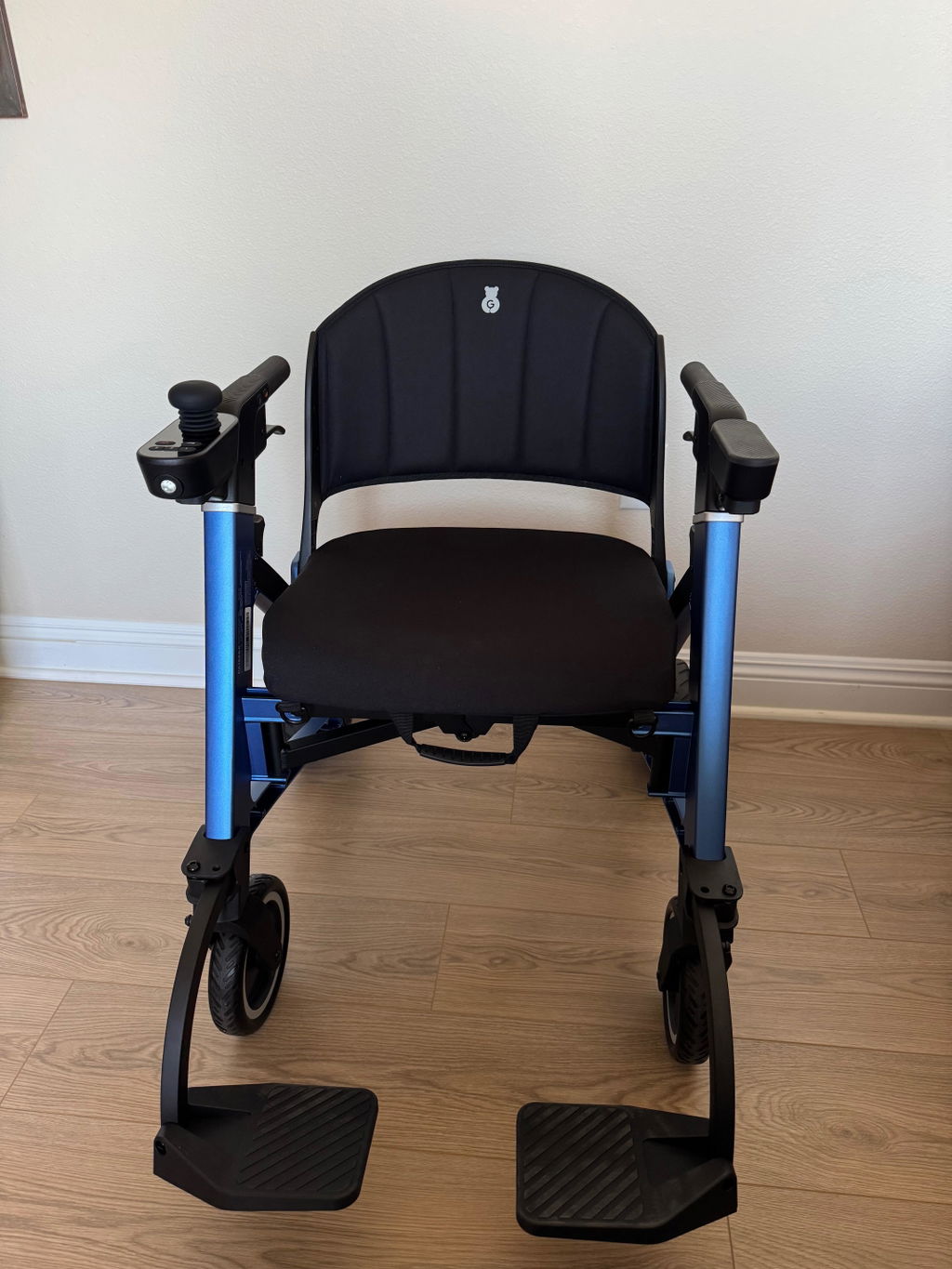
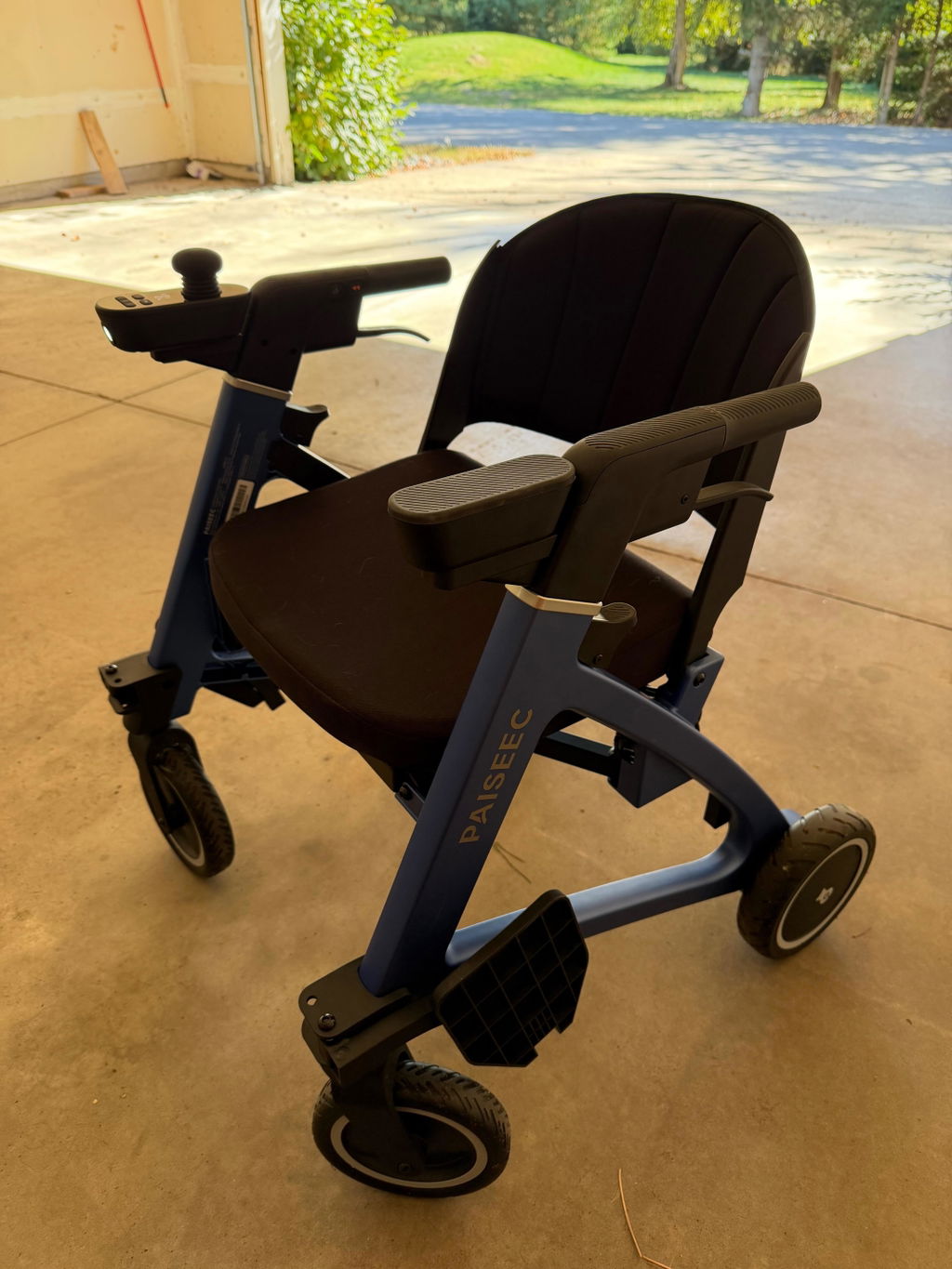
Paiseec Mobility's S3 foldable scooter features a 36V 12Ah lithium battery for 25 miles of range, a 250W brushless motor for 6.2 mph top speed, and a lightweight 70.5 lbs design supporting 265 lbs.
The "PAI" intelligent safety system includes energy recovery, converting braking kinetic energy to extend range by 10-15%.
Paiseec integrates adjustable seating, three speed modes, and a dashboard for battery monitoring, with foldable design for easy storage in car trunks.
Paiseec Mobility, founded in 2021, backs this with $10 million in R&D and rigorous testing for durability.
What Distinguishes Paiseec from Traditional Options?
| Feature | Traditional Devices | Paiseec S3 Mobility Device |
|---|---|---|
| Battery Type | Lead-acid, 10-15 miles | Lithium 36V 12Ah, 25 miles |
| Weight | 100-150 lbs | 70.5 lbs, foldable |
| Charge Time | 8-12 hours | 4-6 hours |
| Motor | Brushed, prone to wear | 250W brushless, efficient |
| Safety Features | Basic | PAI system, energy recovery |
| Yearly Degradation | 20-30% | Under 10% |
| Cost per Replacement | $200-500 | $150-300, longer lifespan |
How Can You Use Paiseec's Device Step by Step?
-
Unfold the scooter using the two-step mechanism and secure the frame.
-
Turn on via the dashboard switch and select speed mode (low: 1.8 mph, medium: 3.7 mph, high: 6.2 mph).
-
Check battery level (full charge yields 25 miles) and engage accelerator for smooth starts.
-
Use reverse at 1.2 mph or headlights/horn for safety; brake to activate energy recovery.
-
Fold after use: release latch, collapse, and store; recharge in 4-6 hours with standard outlet.
Who Benefits Most from Paiseec in Real Scenarios?
Elderly Daily Commuter:
Problem: Limited to 10-mile walks due to fatigue and short-battery manual wheelchair.
Traditional: Multiple daily recharges, exhausting transfers.
Paiseec Effect: Covers 20-mile round trip to market and park.
Key Benefit: Saves 2 hours daily, reduces physical strain by 70%.
Park Visitor with Disability:
Problem: Uneven paths drain standard scooter's battery in 8 miles.
Traditional: Stranded mid-visit, needs assistance.
Paiseec Effect: Completes 25-mile terrain with 40% battery left.
Key Benefit: Full-day independence, 3x outing duration.
Traveling Professional:
Problem: Airport-to-hotel transfers exceed 15-mile device limits.
Traditional: Bulky, non-foldable units fail transport checks.
Paiseec Effect: Folds to trunk size, handles 25 miles seamlessly.
Key Benefit: Cuts travel logistics time by 50%, enhances productivity.
Rural Resident:
Problem: Long driveway and errands surpass 12-mile capacity.
Traditional: Frequent downtime, weather exposure risks battery.
Paiseec Effect: PAI system manages rough paths, full errands covered.
Key Benefit: 25% lower maintenance, reliable year-round use.
Why Act Now on Long-Battery-Life Mobility Trends?
Lithium battery adoption in mobility devices grows 15% annually, with 2026 standards demanding 20+ mile ranges amid rising urban distances.
Paiseec positions users ahead, as regulations push for efficient, lightweight designs by 2027.
Investing today avoids obsolescence, with Paiseec's proven 25-mile performance setting the benchmark.
Frequently Asked Questions
How long does Paiseec's battery last on one charge?
Up to 25 miles, varying by speed, terrain, and weight.
What makes Paiseec's lithium battery superior?
Faster charging, lighter weight, and 10-15% energy recovery extend usability over lead-acid types.
Can the Paiseec S3 handle different terrains?
Yes, 10" front and 9" rear tires provide stability on pavement, grass, and light gravel.
Who should consider Paiseec mobility devices?
Adults needing portable, long-range options for daily or travel use, up to 265 lbs capacity.
How does Paiseec support warranty and service?
Offers five-year frame and one-year battery warranties, plus user manuals and tracking.
Is the Paiseec scooter easy to fold and carry?
Yes, two-step folding reduces it to compact size at 70.5 lbs total weight.
Sources
-
https://firstclassmobility.com/products/paiseec-s3-foldable-mobility-scooter
-
https://www.1800wheelchair.com/product/paiseec-mobility-scooter-s3
-
https://www.paiseec.com/products/paiseec-mobility-scooter-s3
-
https://hieline.com/folding-power-wheelchairs/paiseec-3-in-1-electric-wheelchair-w3/
-
https://www.who.int/news-room/fact-sheets/detail/ageing-and-health (2024 Mobility Report)
-
https://www.marketsandmarkets.com/Market-Reports/mobility-aids-devices-market-185746294.html (Market Data)
Leave a comment
This site is protected by hCaptcha and the hCaptcha Privacy Policy and Terms of Service apply.