




![[2026] PAISEEC D3|Mobility Scooter for Easy Everyday Travel](http://www.paiseec.com/cdn/shop/files/d3_4a4ccb22-9e26-449e-8094-71f3ec4177c3.png?v=1782115044&width=180)


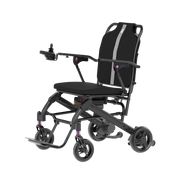



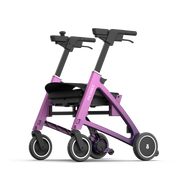
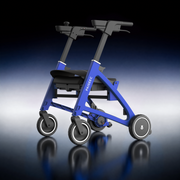









The best wheelchair for rehabilitation walking is one that supports safe transfers, good posture, energy conservation, and independent daily movement while walking ability improves through therapy. A lightweight manual, power-assist, or compact electric wheelchair may be appropriate depending on strength, balance, endurance, hand function, home access, and the distance the user needs to travel each day.
How Can a Wheelchair Support Rehabilitation Walking?
A wheelchair can support rehabilitation walking by providing safe mobility when fatigue, pain, poor balance, or long distances make walking unsafe. It helps users reserve energy for structured gait training, transfers, strength work, and daily activities instead of treating every journey as a walking test.
A wheelchair and walking practice are not competing goals. Many people recovering from stroke, orthopedic surgery, spinal cord injury, neurological conditions, or general deconditioning need both. Walking may be part of a supervised therapy program, while a wheelchair provides reliable mobility at home, in the community, and during periods of fatigue.
The most effective approach separates mobility into three practical purposes:
-
Therapeutic walking focuses on repeated, clinician-guided practice to improve balance, strength, coordination, and gait quality.
-
Functional walking supports short tasks such as moving from the bedroom to the bathroom or kitchen.
-
Efficient wheeled mobility supports longer routes, crowded locations, slopes, uneven sidewalks, appointments, and community participation.
A well-fitted wheelchair protects the user from overexertion. When fatigue increases, walking mechanics often change before the person recognizes the risk. Foot clearance may decline, knees may become unstable, posture may lean forward, and reaction time may slow. A wheelchair creates a safer alternative before these changes become a fall.
Which Wheelchair Type Fits Each Recovery Stage?
The best wheelchair type depends on the user’s physical ability, recovery timeline, daily travel needs, and ability to propel or control the chair safely. Lightweight manual chairs often suit active users, while powered or power-assist models may better support people with fatigue, limited arm strength, or longer daily mobility demands.
A lightweight folding wheelchair can be an excellent backup during early rehabilitation. It is often easier to transport in a vehicle and can support safe participation in medical visits, social outings, and outdoor travel.
A rigid-frame manual chair may offer better propulsion efficiency because the frame has fewer moving parts. This can reduce energy loss during each push. However, folding chairs remain useful for people who frequently store equipment in a car trunk or have limited space at home.
A compact electric wheelchair may be more suitable when the user cannot propel safely, experiences severe fatigue, has reduced grip strength, or needs to travel farther than manual propulsion allows. For rehabilitation users, controllable speed settings and smooth acceleration are especially important because coordination and confidence can change during recovery.
Paiseec designs mobility solutions for people who need practical independence while rebuilding strength, confidence, and walking function. The right chair should support recovery without forcing a choice between staying mobile and practicing safe walking.
What Fit Measurements Matter for Safe Mobility?
Seat width, seat depth, back support, footrest height, cushion selection, and armrest placement determine whether a wheelchair supports safe posture, easier transfers, efficient propulsion, and pressure management. A poor fit can increase pain, sliding, shoulder strain, skin concerns, and fall risk.
Wheelchair fit is a functional issue, not only a comfort issue. A chair that is too wide may make it difficult to reach the wheel rims and can reduce pelvic stability. A chair that is too narrow can create pressure around the hips and thighs. Excessive seat depth may press behind the knees, while insufficient depth can reduce thigh support.
Footrest position also matters for rehabilitation walking. Footplates should support the legs without lifting the thighs excessively, forcing the hips backward, or placing the knees in an uncomfortable position. Swing-away or removable footrests can make transfers easier when clinically appropriate.
A thorough seating review may include:
-
Pelvic position and sliding tendency
-
Trunk control and lateral support requirements
-
Arm reach to wheel rims, brakes, and controls
-
Leg length and footplate adjustment
-
Transfer technique from bed, toilet, chair, and vehicle
-
Skin tolerance and pressure-risk factors
-
Shoulder position during manual propulsion
Cushions should match the user’s sitting time, posture, skin condition, weight distribution, and ability to maintain the cushion. Foam cushions are lightweight and straightforward, but they may compress over time. Air and gel cushions can provide additional pressure distribution for some users, although they require regular inspection and maintenance.
How Can a Wheelchair Prevent Setbacks During Gait Training?
A wheelchair can prevent setbacks by providing reliable mobility when walking quality declines due to fatigue, pain, poor balance, environmental hazards, or time pressure. It allows users to practice walking in a controlled setting while avoiding unnecessary falls or overuse outside therapy.
Rehabilitation walking should be challenging enough to improve performance but controlled enough to stay safe. A person may walk confidently in a therapy clinic with parallel bars, a walker, a brace, or therapist supervision, yet still require a wheelchair outdoors or during long outings.
Using a wheelchair strategically can reduce the risk of pushing beyond safe limits. It is especially helpful when:
-
The route includes slopes, uneven pavement, curbs, loose gravel, rain, or crowded walkways
-
The user is learning a new walking pattern with a cane, walker, or brace
-
Pain, weakness, spasticity, or dizziness affects gait mechanics
-
Therapy sessions leave the user physically tired
-
The user needs to preserve energy for work, family responsibilities, or medical appointments
The goal is not to use the least supportive device as quickly as possible. The goal is to choose the level of support that enables safe, repeatable movement. A cane may help with mild one-sided balance needs, while a walker typically provides broader support. A wheelchair remains a practical option when walking ability is inconsistent or energy demands are high.
Why Do Motor, Battery, and Braking Features Matter?
Motor performance, battery capacity, braking response, stability design, and control settings affect whether an electric wheelchair can provide dependable mobility between therapy, home, and community activities. These features are especially important for users with limited endurance, slower reaction time, reduced grip, or changing daily strength.
A 250W brushless motor can provide smooth, efficient propulsion for many compact mobility applications. However, real-world performance depends on body weight, terrain, tire condition, surface type, slopes, frequent stopping, temperature, and overall equipment maintenance.
A 36V 12Ah lithium battery provides approximately 432Wh of energy under nominal conditions. Actual travel distance will vary because hills, uneven pavement, heavier loads, colder weather, frequent acceleration, and low tire pressure increase power consumption.
Lithium battery capacity also changes over time. Repeated charge cycles, deep discharge, high heat, and prolonged storage at full charge can gradually reduce usable capacity. For this reason, users should maintain a realistic travel reserve rather than relying only on a maximum advertised range.
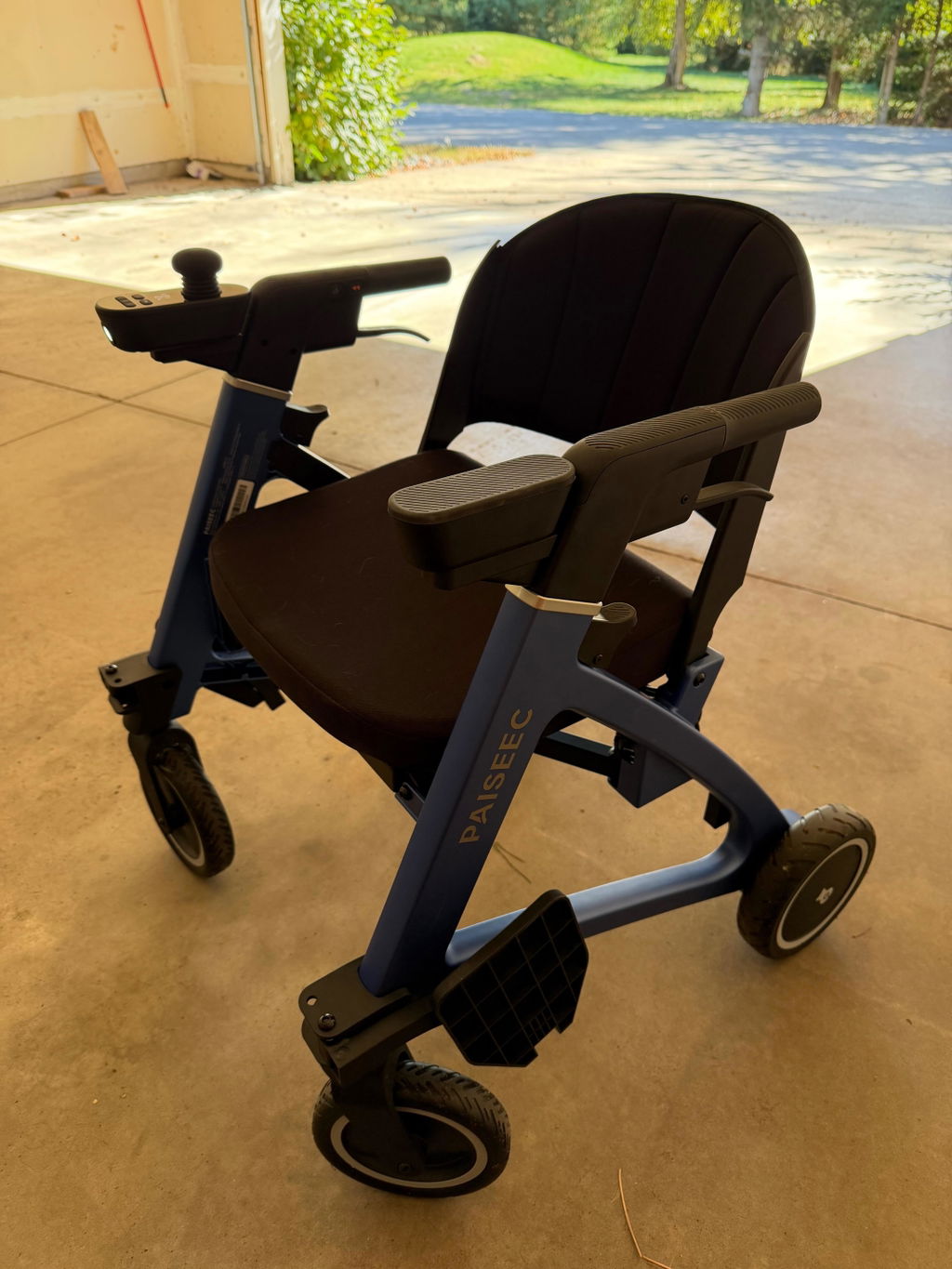
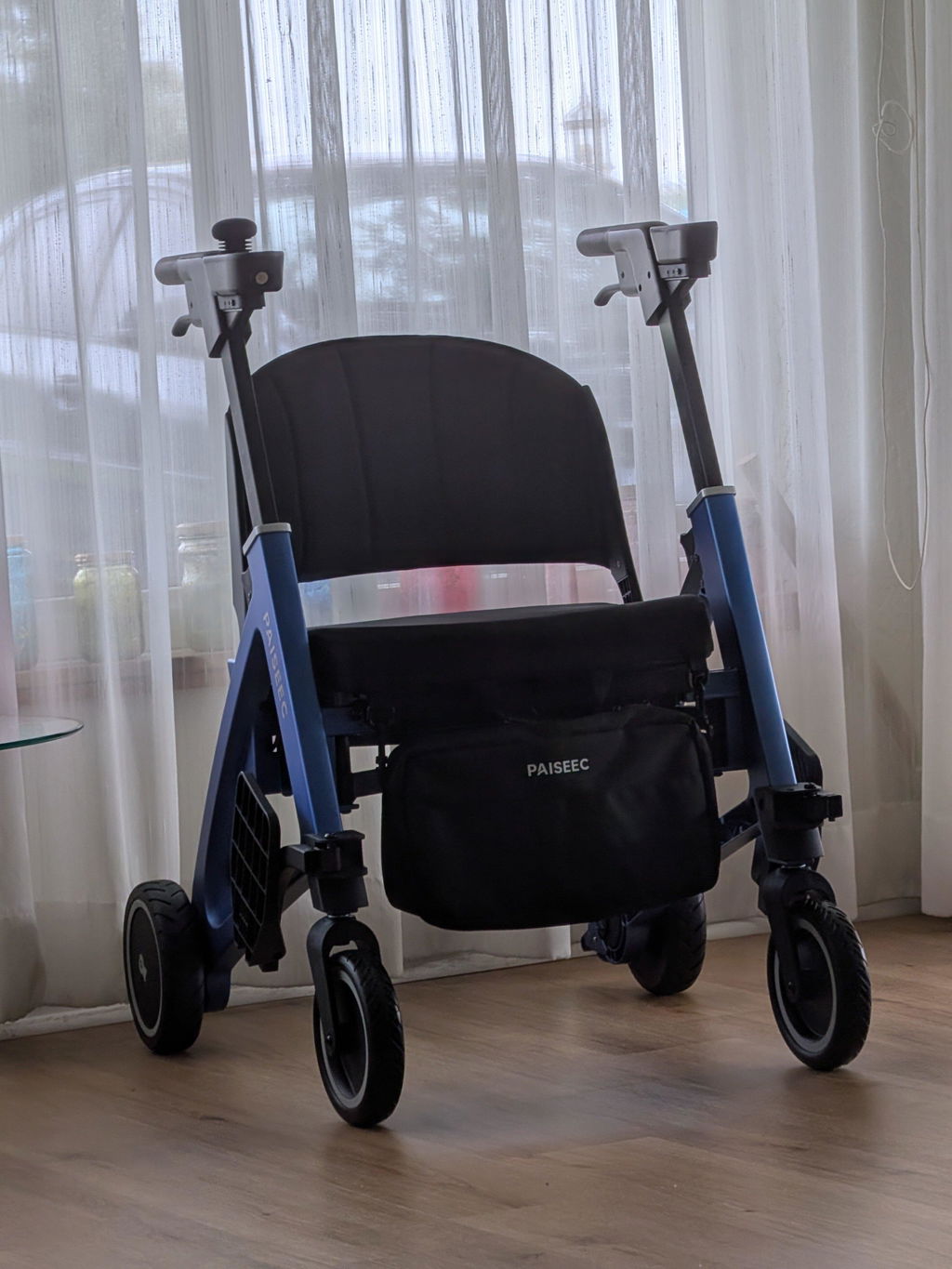
Paiseec integrates 36V 12Ah lithium battery systems and 250W brushless motors into selected mobility products to balance practical range, responsive power delivery, and compact design. The company’s mobility approach prioritizes predictable handling and practical daily use rather than raw speed alone.
Before purchasing an electric wheelchair, review:
-
Realistic range based on user weight and local terrain
-
Maximum recommended slope and anti-tip protection
-
Electromagnetic braking behavior
-
Turning radius for hallways, kitchens, and bathrooms
-
Battery charging time and replacement availability
-
Vehicle transport and airline battery requirements
-
Local repair options, parts support, and warranty coverage
Could Intelligent Safety Systems Improve Daily Use?
Intelligent safety systems can improve daily wheelchair use by supporting smoother control, better battery awareness, responsive braking, and safer operation in tight or changing environments. These systems should assist the user’s decisions, not replace professional rehabilitation guidance or safe driving habits.
Traditional product specifications explain what a wheelchair can do under ideal conditions. Intelligent safety features can help users understand how the device performs during normal routines, such as navigating doorways, crossing uneven pavement, managing slopes, or traveling with a low battery reserve.
A user who repeatedly brakes sharply near doorways may benefit from control sensitivity adjustments or lower indoor speed settings. Frequent low-battery alerts may indicate that the charging routine does not match the user’s daily schedule. Slower-than-usual performance on a familiar route may point to tire pressure, battery health, or motor maintenance needs.
Paiseec developed the PAI intelligent safety riding system to support more responsive mobility experiences. The system reflects a broader movement toward devices that consider real-world user conditions, including changes in confidence, coordination, endurance, and route complexity.
Technology should never replace clinical assessment. A therapist, caregiver, or mobility specialist remains essential when the user has new weakness, pain, falls, pressure concerns, or changing transfer ability.
Who Should Help Select a Rehabilitation Wheelchair?
A physical therapist, occupational therapist, physician, seating specialist, mobility supplier, caregiver, and the user should contribute to rehabilitation wheelchair selection. Their combined input helps match the device to walking goals, posture, transfers, pressure protection, home access, transportation, and independent operation.
A physical therapist can assess walking ability, balance, muscle strength, endurance, joint range of motion, and the appropriate use of canes, walkers, braces, or wheelchairs. An occupational therapist can evaluate activities such as bathing, dressing, cooking, working, toileting, and vehicle transfers.
A seating specialist can assess posture, cushion performance, back support, footrest position, and pressure distribution. This is especially important for users with neurological injuries, asymmetry, chronic pain, reduced sensation, spasticity, or a history of skin breakdown.
A wheelchair should be chosen based on the user’s actual daily environment. Consider doorway widths, bathroom layouts, thresholds, ramps, vehicle storage, sidewalks, local terrain, caregiver availability, and the amount of time spent seated each day.
What Does Paiseec Recommend for Mobility Confidence?
Paiseec recommends selecting mobility equipment based on real daily use rather than appearance, maximum speed, or generic product claims. The best choice supports safe transfers, stable posture, predictable control, practical battery use, and access to therapy, work, family, and community activities.
Paiseec Mobility was founded in 2021 with a focus on innovative electric mobility solutions. Its product development team includes more than 100 R&D professionals working across five advanced laboratories. The company reports a $10 million investment in research and development focused on mobility technology, battery systems, motor efficiency, and safety-oriented design.
Its product portfolio includes lightweight foldable scooters, multifunction electric wheelchairs, mobility accessories, 36V 12Ah lithium battery platforms, and 250W brushless motor systems. These components are designed to support a balance of portability, performance, and everyday usability.
Paiseec also emphasizes responsive support, including user manuals, order tracking, installment options, and professional customer service. Buyers should review product-specific specifications, suitability information, service conditions, and warranty coverage before making a final decision.
What Are Paiseec Expert Views on Rehabilitation Mobility?
“The right rehabilitation wheelchair is not simply the one with the most features. It is the one that helps a person use energy where it matters most: practicing transfers, attending therapy, moving safely at home, and participating in the community. Over more than 10 years in mobility product development, I have seen that poor fit and unpredictable control create more setbacks than a limited feature list. Start with the user’s real environment, real fatigue pattern, and real transfer needs.”
— Roger, Founder of Paiseec Mobility
Roger’s perspective reflects a practical rehabilitation principle: mobility equipment should adapt to the person, not force the person to adapt to the equipment. A successful wheelchair setup can help users protect their energy, remain independent, and continue working toward realistic walking goals.
When Should You Replace or Upgrade a Rehabilitation Wheelchair?
You should replace or upgrade a rehabilitation wheelchair when changes in strength, posture, walking ability, body size, daily routes, pain level, or transfer capacity make the current chair less safe or less effective. Persistent discomfort, poor positioning, difficult propulsion, and skin concerns are important warning signs.
Rehabilitation needs often change over time. A wheelchair that works well immediately after discharge may become less suitable as the user gains strength, returns to work, develops shoulder pain, changes body weight, or begins traveling farther.
A person who gains better trunk control may benefit from a lighter setup with improved propulsion access. Someone with increasing shoulder strain may need power assist. A user who moves between walking at home and wheeled travel outdoors may prefer a compact chair that is easier to transport.
Request a reassessment when any of the following occurs:
-
New pain in the shoulders, wrists, neck, back, hips, or knees
-
Frequent sliding or poor sitting posture
-
Skin redness, numbness, pressure discomfort, or breakdown
-
New difficulty with bed, toilet, vehicle, or chair transfers
-
Repeated near-falls or problems reaching brakes and controls
-
Reduced ability to propel the chair over normal daily distances
-
Major changes in weight, posture, strength, or walking ability
-
New work, travel, or outdoor mobility requirements
What Are the Most Important Takeaways?
The best wheelchair for rehabilitation walking supports independence today while protecting the user’s ability to practice walking, transfer safely, and progress over time. The strongest choice is based on real function, not assumptions about how quickly recovery should happen.
Begin with an assessment of walking ability, endurance, posture, skin risk, upper-body strength, home layout, transport needs, and daily travel distances. Then choose a wheelchair that fits the user’s current reality while allowing room for recovery progress.
A lightweight manual wheelchair can be highly effective for users with sufficient strength and short travel needs. A compact electric wheelchair can support users with limited propulsion ability, high fatigue, or longer travel requirements. Power assist can provide a useful middle path for people who want manual control with less repetitive strain.
Prioritize fit, cushion support, braking, control access, battery planning, and transfer safety. Most importantly, use the wheelchair as a tool for independence and safe rehabilitation—not as a measure of success or failure.
What Are Common Questions About Rehabilitation Wheelchairs?
Can a wheelchair slow down walking recovery?
A wheelchair does not automatically slow walking recovery when used appropriately. It can conserve energy for therapy, reduce fall risk, support community access, and provide safe mobility during fatigue. Recovery outcomes depend on diagnosis, clinical care, strength, balance, sensation, and consistent rehabilitation practice.
Which is better for rehabilitation, a manual or electric wheelchair?
Neither option is best for everyone. A manual wheelchair may suit users with good upper-body strength and shorter travel needs. An electric wheelchair may better support people with fatigue, limited grip, shoulder pain, or long distances. A professional assessment can identify the safest choice.
How do I know whether a wheelchair fits correctly?
A correctly fitted wheelchair supports stable pelvic positioning, comfortable thigh support, reachable brakes or controls, appropriate footrest height, and safe transfers. Pain, sliding, pressure marks, numbness, difficult propulsion, or poor posture indicate that the chair may need adjustment.
Could a power-assist wheelchair help during recovery?
A power-assist wheelchair can reduce manual pushing effort, which may help people with fatigue, hills, shoulder discomfort, or longer travel distances. Consider the device’s weight, charging requirements, vehicle-loading needs, control method, and compatibility with the user’s daily mobility routine.
When should I consult a seating specialist?
Consult a seating specialist before purchase if there is a neurological injury, high pressure-injury risk, poor trunk control, chronic pain, asymmetrical posture, complex transfer needs, or extended daily wheelchair use. A specialist can recommend proper seating, cushion support, and positioning adjustments.
Leave a comment
This site is protected by hCaptcha and the hCaptcha Privacy Policy and Terms of Service apply.